This year I got around to reading a number of books I’d always meant to read, and which, frankly, made me feel embarrassed about not having got around to reading. By far the best of these was Jane Eyre by Charlotte Brontë (1847), which had the capacity to surprise even though I knew the plot fairly well, and which I found totally absorbing throughout.
A more surprising favourite was The Beast Within (La Bête Humaine) by Emile Zola (1890). I’d already read and loved Zola’s Thérèse Raquin and assumed his other novels couldn’t possibly reach the bleak heights of that novel, but this one absolutely does, with grim setpieces that will stick in my mind. I’ll be searching out more Zola in 2026, I’m sure.
I approached the 1999 Seamus Heaney translation of Beowulf with caution, as I tend to struggle with verse, but I read it in a single sitting and was astounded at the impact of the poem, and the outright horror imagery.
My final five-star novel I read this year was The Day of the Locust by Nathanael West (1939), a dour but funny tale of an artist lost in Hollywood.
Moby-Dick by Herman Melville (1851) was as excellent as I’d been told – I’ll confess I skim-read some of the whaling sequences, but I lingered over everything involving the characters themselves. Similarly, I found lots of dark humour in Hunger by Knut Hamsun (1890), though it certainly benefits from its short word count as the bleaker elements could overwhelm the reader. I adored Picnic at Hanging Rock by Joan Lindsay (1967), which is as satisfyingly weird as the film adaptation, and performs some really interesting tricks with viewpoint.
Books I admired rather than loved included time-travelling slavery drama Kindred by Octavia E. Butler (1979), down-to-earth Coming Up For Air by George Orwell (1939), pleasingly melodramatic Adolphe by Benjamin Constant (1816), wholehearted family epic Fathers and Sons by Ivan Turgenev (1862), frequently gripping A Tale of Two Cities by Charles Dickens (1859), Nabokovian thriller The Debt to Pleasure by John Lanchester (1996), beautifully snide Miss Lonelyhearts by Nathanael West (1933), viewpoint-undermining The Last Film of Emile Vico by Thomas Gavin (1986) and meandering but witty Lost for Words by Edward St Aubyn (2014).
I didn’t read much recent fiction this year, but my favourite was The Proof of My Innocence by Jonathan Coe (2024), which has the expected well-drawn characters and social commentary, but also the addition of a metafictional mystery plot that involves an outright cheat and yet remains deeply satisfying, which is an achievement no author can reasonably expect to pull off.
My favourite non-fiction book this year was crime-meets-architecture analysis A Burglar’s Guide to the City by Geoff Manaugh (2016). I also enjoyed The Artist’s Voice, a series of interviews with artists edited by Katharine Kuh (1962) and writing guides Steering the Craft by Ursula K. Le Guin (2015) and Writing the Magic, edited by Dan Coxon (2025).
The films I most loved this year, I loved unconditionally. Though I saw it all the way back in January, Bird (Andrea Arnold, 2024) has stuck with me. The dreamy, fantastical imagery works perfectly against the background of Arnold’s usual gritty realism, it’s become my favourite of the director’s films (above the stellar Red Road, Fish Tank and American Honey) – and it’s fair to say I now think of it as one of my favourite films of this century.
As is The Mastermind (Kelly Reichardt, 2025). I’d been looking forward to this art-heist-gone-wrong film for ages, and it didn’t disappoint. Josh O’Connor has never been better, and what strikes me most is Reichardt’s patience in watching him perform the most trivial of acts. Meticulous observation is an important aspect of heist films, but in this film we’re forced to watch the post-heist actions of O’Connor’s character, JB, with equal scrutiny. The excruciating scene in which he tries to lift the stolen paintings up a ladder into a hayloft is probably my favourite sequence in any film this year.
The Ballad of Wallis Island (James Griffiths, 2025) is also excruciating, but due to strained social interactions. It’s the most wonderful British comedy, and it elevates Tim Key to national-treasure status, and it deserves to be seen by far more people. I think it’s close to perfect, and I’m pretty sure it’s the film that made me well up the most this year.
Other recent films I thoroughly enjoyed were The Delinquents (Rodrigo Moreno, 2023), a heist drama that sits comfortably alongside The Mastermind in its consideration of the aftermath of a crime; One Battle After Another (Paul Thomas Anderson, 2025) – I loved this perhaps less than other people did, but some sequences such as the final car chase tickled me; A Real Pain (Jesse Eisenberg, 2025), a modest and carefully-observed comedy about the strained relationship between two brothers, with a terrific performance by Kieran Culkin; similarly wry and ultimately warm The Holdovers (Alexander Payne, 2023); delightful and surprisingly motivational behind-the-scenes comedy Nouvelle Vague (Richard Linklater, 2026); two meticulous account of different sorts of grief in Anatomy of a Fall (Justine Triet, 2023) and Sound of Metal (Darius Marder, 2019); the ambitious and equal parts annoying and startling 28 Years Later (Danny Boyle, 2025); the unexpectedly funny remake The Roses (Jay Roach, 2025); the ultimately life-affirming account of friendship during lockdown, Grand Theft Hamlet (Sam Crane & Pinny Grylls, 2024).
This year I finally watched the films of Jacques Tati (all of them), and was totally overwhelmed by Playtime (Jacques Tati, 1967) and Mon Oncle (Jacques Tati, 1958) in particular. I’ve never seen comedy treated in such a meticulous manner; Playtime is one of the most beautifully staged films I’ve ever seen.
A totally unexpected favourite was Mademoiselle (Tony Richardson, 1966), a peculiar French–British production from Woodfall Productions, starring Jeanne Moreau. It’s wildly melodramatic, veering so far from realism that it becomes fantastical.
Other discoveries from cinema history included time-travel-relationship-murder-mystery Je t’aime, je t’aime (Alain Resnais, 1968), which I’ve been trying to hunt down for years; low-budget British thriller Eclipse (Simon Perry, 1977), with a wonderful central performance by Tom Conti; and Panic in Year Zero (Ray Milland, 1962), a post-apocalyptic B-movie that’s low on subtlety but is nonetheless arresting throughout.
TV
My household’s TV viewing has been dismal this year, mainly due to exhaustion once we relax each evening. We watched and enjoyed the obvious stuff – Adolescence was excellent, The Celebrity Traitors was as good as it needed to be, Last One Laughing was a brief delight, The Paper was a reasonable attempt to channel the successful formula of The Office.
One show that stood above the standard fare was the second series of Nathan Fielder’s The Rehearsal, which was even more bewildering (in a good way) than the first series, and perhaps more enjoyable to chew over afterwards than as a viewing experience. I loved Long Story Short, a carefully constructed animated family drama from Bojack Horseman creator Raphael Bob-Waksberg. A final surprise was that How Are You? It’s Alan (Partridge) pushes the greatest modern British comedy character into new territory, the broadness of its remit a perfect fit for Partridge’s meandering mind.
Videogames
I can’t begin to describe how much I love Blue Prince (Dogubomb, 2025). I spent two months obsessed with uncovering every mystery of the Mt. Holly Estate. Unlike most cerebral puzzle games, the central mechanism of Blue Prince is as satisfying as the meta-mystery, so even on runs that resulted in no new clues, the simple act of opening doors and determining which room lay beyond absorbed me… again and again and again.
Almost as absorbing in a game-by-game sense is Balatro (LocalThunk, 2024), a poker roguelite in which you progressively stack the deck by adding cards and powers in the form of jokers. This year I effectively abandoned narrative games, preferring this sort of one-more-go arcade game.
Up there with the best in this vein was Kenny Sun’s Ball x Pit (2025), a mixture of bullet hell and Breakout, with insane powerups and constant accumulating progression. It’s the sort of game you get fiercely involved in, then complete, then put aside.
Wordless, gentle 3D puzzler Cocoon (Geometric Interactive, 2023) was an absolute delight, gradually training the brain to reach convoluted solutions to puzzles that initially appear impossible.
I did play some of this year’s huge successes such as Hollow Knight: Silksong and Clair Obscur: Expedition 33, but didn’t particularly chime with them. Instead, my final recommendation is Another Crab’s Treasure (Aggro Crab, 2024), a 3D action adventure with an ugly cartoonish style that disguises the fact that it’s actually a hard-as-nails Soulslike that will punish you endlessly. You know, for fun.
2025 has been an outstanding year for new music. More than in any of the last five years, I’m confident that my favourite albums this year will still be on regular rotation in years to come.
Indie
I had high hopes after their first record, but caroline 2 by caroline is a staggering follow-up. It’s my favourite sort of indie music: experimental, reluctant to fall into anything resembling predictability, yet filled with hooks that seem almost to embarrass the band in their catchiness. The opening track, ‘Total euphoria’ is exactly as its title describes, and it’s my pick as an exemplifier of the best music on offer this year.
Close behind is Brooklyn band Geese, who weren’t on my radar before 2025, but Getting Killed has secured them as one of my new favourite acts. Like caroline, Geese are fidgety and strange, and while they sometimes veer between soundalikes (particularly Radiohead and Slint), the sheer breadth of their range convinces, as do Cameron Winter’s vocals, jerking constantly as though he’s sprinting throughout. This album contains a greater number of tracks I adore than any other album this year.
Richard Dawson can do no wrong, but on End of the Middle he’s even more right than usual. His ability to swing between fastidious description of middle England’s quirks and frailties, to reaching for and finding profundity in small moments, to punishing listeners with experimental Fahey-esque moments and Beefheartian insanity… It’s simply unimprovable, and it’s absurdly my sort of thing.
Odysseús by Herman Dune is a far more approachable record than Dawson’s, and my love for it is partly informed by my two-decades-long love for the band, but it’s wonderful to hear David Herman Düne on form and appearing to enjoy himself so much, with beautiful arrangements for beautiful songs.
Post-rock / Modern composition
The Necks have for a long time been a band I’ve appreciated but not loved. That’s changed with Disquiet, a three-hour daydream shifting (slowly) from Ambarchi-esque single-tone drones to barely contained skittering kaleidoscopic carnival queasy nightmares. It’s absolutely wonderful.
With ICONOCLASTS, Anna von Hausswolff moves further away from her recent pipe-organ dirges to the grand singer-songwriter demonstrated on her 2022 release, Live at the Montreaux Jazz Festival. Many of the tracks on ICONOCLASTS are monolithic, often thanks to saxophonist Mats Sandsjö (sounding very like Colin Stetson, and surely inspired by his work). While less convincing lyrically, Anna von Hausswolff’s delivery is so wild, ranging from Kate Bush to primal screech, that it’s totally convincing, and frequently overwhelming. I’d love to see her play live.
One album that crept up on my over many repeated listens is Ghost Note by Kim Hiorthøy, a quiet and reserved collection of unusual rhythms that, while largely digital, sounds like pots and pans in the rain. Similarly affecting and meditative is Cassotto by Suzan Peeters, a short collection of treated accordion drones that are near-impossible to believe could be delivered by that instrument.
Some familiar names provided my favourite post-rock albums this year. Horse Lords and minimalist composer Arnold Dreyblatt prove a potent and unsettling combination on FRKWYS Vol. 18: Extended Field. Mogwai reliably come up with the goods on The Bad Fire. David Grubbs and friends deliver with the self-titled Bitterviper. Finally, Tortoise have returned! From its opening moments, Touch makes you believe they’ve never been away, or indeed that they produced any albums since TNT, their all-time high back in 1998.
Hip hop/ Rap
hexed! by aya has been topping many end-of-year polls, and rightly so. It critiques a very different side of Britain than Richard Dawson’s End of the Middle – and a side of society I know far less well – but together these two albums represent a pretty damning state of the nation. ‘off to the ESSO’ is up there with my very favourite tracks of the year.
One album I’ve had on constant rotation since the early in the year is 80’z by Spanish artist Bb trickz. Despite understanding little of the lyrics, I’m in love with the scratchy DIY vibe.
The ungoogleable act NEW YORK aresigned to Inga Copeland’s Relaxin’ Records, and on Push they sound very like her. As in, they’re wonderful.
Compilations/ Reissues
Like the return of Tortoise, it’s emotional hearing The Notwist once again. Magnificent Fall may be only a rarities compilation, but there’s enough previous unheard material here to make me swoon all over again. A new album soon, please.
My two favourite multi-artist compilations this year are Pattern Gardening, a collection of hypnotic micro-house tracks from Wisdom Teeth, and Going Back to Sleep…, a compilation of dreamy indie tracks put out by A Colourful Storm.
Of my favourite reissues this year, the only one that was new to me is baby, it’s cold inside by the fun years, from 2008. What an album! And great writing music, too. Old favourites spruced up and reissued were cLOUDDEAD by cLOUDDEAD (2000), The Amateur View (Expanded) by To Rococo Rot (1999), the unsurpassed A Fragile Geography (10th Anniversary Edition) by Rafael Anton Irisarri (2015) and the raw, parallel-reality versions of 2004 album tracks included on Madvillainy Demos by MF Doom & Madlib.
How is it possible that we’ve reached the halfway point of the year? But as that’s the case, here are my favourite albums released in 2025 so far.
Indie / Rock / Post-rock
A new Richard Dawson album is always cause for celebration, and End of the Middle is as wonderfully as anything he’s delivered, and a great deal more accessible than his early work, palatable even to my family when played in the car. I’m particularly spoiled with a wonderful new album by Herman Dune, too – Odysseús is the best work the band has released in years, and contains some spot-on observations on ageing. Moin continues its rattling, Sonic-Youth-esque good work with EP Belly Up. Displaying his best songwriting since the death of his wife and Low bandmate Mimi Parker, Alan Sparhawk teams up with Trampled by Turtles in a heartfelt self-titled album. On The Bad Fire, Mogwai pull their usual trick of their new tracks sounding straightforward, then worming into the mind over time. Perhaps inspired by last year’s Gastr Del Sol retrospective, David Grubbs’ new release Whistle from Above sounds more like that band than most of his solo work. The self-titled OSMIUM is pounding, industrial and intense, as you might expect when Emptyset pairs with Hildur Guðnadóttir.
Weird / Beats
Am I remembering this wrong, or did Darren Cunningham announce the retirement of his Actress alter ego years ago? Regardless, he’s been producing more than ever recently. Grey Interiors is an Eraserhead-esque 20-minute EP, whereas Tranzkript1 contains more familiar clacks and bubbles. Dawuna also teases with a short EP, Love Jaunt, which contains one of his least tampered-with vocal lines, sounding uncannily like Sly Stone. Vicki Bennett aka People Like Us ropes in the always amazing Ergo Phizmiz for vocals on Copia to create a more coherent mash of 1950s samples and found sounds than in her past work, and while it’s often headache-inducing, it’s genuinely incredible stuff.
Drone / Modern composition
After a detour into swoony vocal performances, Ellen Arkbro returns to her roots with the hypnotic organ drones of Nightclouds. The ever-dependable Oren Ambarchi, this time with Eric Thielemans, produces two more slabs of antsy skittering on Kind Regards. Abul Mogard reappears with his first full-length album in years, Quiet Pieces, featuring soundscapes that burrow under the skin.
Hip hop / Rap
aya seems to have been a poster child for UK hip hop recently, and deservedly so – hexed! is utterly brilliant, and gloriously abrasive; ‘off to the ESSO’ is one of my favourite tracks this year so far. Similarly scrappy and catchy is 80’z by Bb trickz, though I’ve no idea what the Spanish raps are actually about. The same applies to much of the French Violence Gratuite on Baleine à Boss, which sounds ace all the same. John Glacier continues to impress with the downbeat Like a Ribbon, and Doseone and Steel Tipped Dove have raucous fun on All Portrait, No Chorus, and clipping. channels righteous anger on Dead Channel Sky.
Compilations / Reissues
My favourite multi-artist compilation so far this year is micro-house collection Pattern Gardening from Wisdom Teeth, featuring artists all unfamiliar to me. The Arthur Russell archives have been opened again, and this time Open Vocal Phrases, Where Songs Come In and Out provides insight into Russell’s development of his key album World of Echo. Another compelling glimpse into the creation of classic album is provided in Madvillainy Demos by Madvillain aka MF Doom & Madlib, which in some cases have become my preferred versions of their tracks. In terms of more straightforward rereleases, I’ve been hooked on The Amateur View (Expanded) by To Rococo Rot and the still bonkers cLOUDDEAD by cLOUDDEAD. I also love three rereleases that are entirely new to me: baby, it’s cold inside by the fun years, SYR5 by Kim Gordon, Ikue Mori and DJ Olive, and the 2001 Peel Sessions by The Locust.
Of all the recently published books I read this year, Six Lives by Lavie Tidhar (2024) was the one I relished the most. Each of the six parts follows, as you’d expect, a single life (all members of a convoluted family tree), and there are pleasing links between the stories that reward attention. But it’s the style that most impresses – not only does each story move forward in time, which affects the tone, but each episode is essentially a different genre, including an Agatha Christie-style murder mystery and a Cold War espionage tale. The prolific Tidhar has form in this sort of genre-hopping novel, and I also enjoyed his 2023 novel The Circumference of the World, which concerns SF genre history and also contains a hard-SF sequence in its own right.
I was deeply impressed by Whalefall by Daniel Kraus (2023), a novel that sounds like either a Moby Dick ripoff or high-concept pulp (a man goes diving, finds himself trapped inside a whale, spends an entire novel trying to escape) but is actually thoughtful and considered, concerning the character’s troubled relationship with his father. There’s similar paternal territory covered in The Italian Teacher by Tom Rachman (2018), a wonderful novel about an artist operating in the shadow of his much more celebrated father. Far more straightforward than Six Lives and Whalefall, this is probably my most satisfying read this year in terms of recent releases.
Two structurally experimental novels I enjoyed were Cuddy by Benjamin Myers (2023), which treads a line between his raw, ugly fiction like The Gallows Pole and his gentler contemporary fiction, and Venomous Lumpsucker by Ned Beauman (2022), which is decidedly cold but thought-provoking and surprisingly entertaining in its rambling discourse on environmental issues.
My biggest belated discovery was the Patrick Melrose sequence by Edward St. Aubyn: Bad News (1992), Some Hope (1994), Mother‘s Milk (2005), Never Mind (1992) and At Last (2011), which I rationed out over several months, not wanting the series to end. The first novel almost threw me off, as I’m no fan of tales of drug binges, but by the second novel Patrick has found a more even keel and his acidity is directed outwards. Sentence by sentence, the books are a joy to read, and the series is now up there with John Updike’s Rabbit sequence in my estimation.
I rarely get into series, but I did read another this year – the first Mortal Engines sequence by Philip Reeve: Mortal Engines (2001), Predator’s Gold (2003), Infernal Devices (2005) and A Darkling Plain (2006). I’d initially begun reading them as a sort of book-club read with my eldest son, but I was soon hooked. The shifts between novels and willingness to stray away from the initial protagonist are as satisfying as in Philip Pullman’s His Dark Materials series – which I’ve also been rereading to my son this year, so I’ve absorbed a good deal of excellent YA fiction.
I finally read The Glass Cell by Patricia Highsmith (1964), which was more dour than most of her thrillers, but relentlessly compelling. Having also managed a reread of The Talented Mr Ripley before the Ripley TV series began, my opinion of Highsmith remains sky-high.
Another genre novel that surpasses its pulpy context is Magic by William Goldman (1976), recommended to me by a writer friend (I wish I could remember who). The narrative trickery is great fun, but it was the close descriptions of magic tricks and the surprisingly detailed insights into the protagonist’s thoughts and the caustic humour that most impressed me.
The novel I raved about most often this year, and which made me curse myself at not having read it sooner, was Christie Malry’s Own Double-Entry by B.S. Johnson (1973). It’s bleak and snide and yet incredible fun throughout, with Pythonesque humour and a disregard for the rules of novel-writing. I love experimental fiction, but I haven’t read much recently, and this playful novel is likely to shift my 2025 reading tastes in that direction.
The short-story collections I read this year were all by friends – incredibly talented friends, I should add. Treatises on Dust by Timothy J. Jarvis (2023) takes its weirdness and its place within the weird-fiction canon seriously, and the tales-within-tales become ever more labyrinthine – like Nabokov’s short fiction, these are stories that revel in being fiction, so it’s no surprise that the collection is proving so popular with fellow writers. I suspect it will become a classic in the future.
More contemporary weirdness can be found in Hunting by the River by Daniel Carpenter (2024), which gazes into the dark corners of urban spaces and finds little that’s reassuring there, Umbilical by Teika Marija Smits (2023), which twists mythology into modern contexts to examine parental concerns, and Out of the Window, Into the Dark by Marian Womack (2024), which contains stories that (as I wrote in my blurb) evoke the wild worldbuilding of Ursula Le Guin and the unsettling domesticity of Shirley Jackson, with a meticulousness that’s highlighted by a Borgesian fascination with libraries. Commercial Book by Andrew Hook (2024) contains stories each of exactly 1000 words, each paired with one of the songs on Commercial Album by The Residents. While no familiarity with the album is required – the affecting stories which are immersed in dreams and steeped in film and music certainly stand alone – listening to each song before or after reading the story reveals even greater depths.
Version 1.0.0Version 1.0.0
Most of the non-fiction I read in 2024 related to writing projects, but I put time aside for I Am a Strange Loop by Douglas Hofstadter (2007), a discourse on consciousness and self-reflexivity which will certainly end up inspiring more of my own stories and novels to come. I loved Ghosts of My Life: Writings on Depression, Hauntology and Lost Futures by Mark Fisher (2014), especially his analysis of albums by Burial. While I contributed an article to Writing the Murder: Essays on Crafting Crime Fiction, edited by Dan Coxon and Richard V. Hirst (2024), I thoroughly enjoyed the other contributors’ pieces, particular Tom Mead’s assessment of the locked-room genre, and Carole Johnstone’s very honest article about the pragmatism involved in selecting a writing project.
By far my favourite film released in cinemas this year was Civil War (Alex Garland, 2024). While it confused mainstream viewers who expected a postapocalyptic action adventure, the totally sober approach to a plausible breakdown of society pushed all my buttons. I loved the passivity of the journalist protagonists, I loved the non-specific, non-partisan background to the conflict. And I loved the soundtrack, particular the early double-whammy of ‘Lovefingers’ by Silver Apples and ‘Rocket USA’ by Suicide, and the abrupt introduction of De La Soul’s ‘Say No Go’ to undermine an atrocity was one of my favourite moments in any film this year.
Another recent film I adored was The Beasts (Rodrigo Sorogoyen, 2022), a very adult and considered drama about a French couple far out of their depth in the Galician countryside in Spain. The tension is taut throughout, and I loved every minute of its long running time.
I loved Love Lies Bleeding (Rose Glass, 2024), a more garish film than Rose Glass’s previous one, Saint Maud, and a lot more fun, though equally squeamish. I really liked Challengers (Luca Guadagnino, 2024), which continues Luca Guadagnino’s stellar run of successes while maintaining arthouse complexity. La Chimera (Alice Rohrwacher, 2023), also starring Challengers’ Josh O’Connor, is an oddball delight, and it’s the film I’ve recommended to others most often this year. All of Us Strangers (Andrew Haigh, 2023) may turn out to be less of a puzzle box than it appears to be, but Andrew Scott and Paul Mescal are both excellent. Similarly fantasy-adjacent and reliant on a strong lead is The Five Devils (Léa Mysius, 2022), which is as watchable as it is due to the presence of the amazing Adèle Exarchopoulos. Hoard (Luna Carmoon, 2023) is the sort of straightforwardly excellent and downbeat British drama that people claim aren’t being made nowadays. The Zone of Interest (Jonathan Glazer, 2023) is as compelling as I’d hoped it would be, and likely to be more memorable than any other film listed here, but unlike Glazer’s other films I’m unlikely to watch it again.
Alongside Civil War, my favourite blockbusters were The Three Musketeers: D’Artagnan (Martin Bourboulon, 2023) and Kingdom of the Planet of the Apes (Wes Ball, 2024), particularly the early non-plot-related scenes of ape society.
As for slightly older 21st-century films, the one that’s stuck with me is Holiday (Isabella Eklöf, 2018) which I believe was quite controversial upon reliease, and it really is repellent, but constantly thought-provoking. I finally watched It Follows (David Robert Mitchell, 2015) on the recommendation of several writer friends, and I liked it very much, though like many modern horror films the final act doesn’t hold up too well. Another film I’ve been meaning to watch for years is La Antena (Esteban Sapir, 2007), which is far more wondrous and inventive than I’d imagined. I loved two films with similarly rambling, Twin Peaks-lite tone: Under the Silver Lake (David Robert Mitchell, 2018) and The Kid Detective (Evan Morgan, 2020). My favourite family film was Marcel the Shell with Shoes On (Dean Fleischer Camp, 2021).
I’m a little ashamed that I haven’t delved very deeply into cinematic history this year. Boudu Saved from Drowning (Jean Renoir, 1932) was the most affecting and humanistic film I watched, and I’m certain I’ll watch it again before long. Another film I considered a known quantity and was surprised by was Sweet Smell of Success (Alexander Mackendrick, 1957), which is far more snide and funny than I’d anticipated.
Other films I ticked off the list included the bitter classics The Draughtsman’s Contract (Peter Greenaway, 1982) and Naked (Mike Leigh, 1993. Kes (Ken Loach, 1969) was far less about a kestrel than I’d expected, and far more about the school system, and Kramer vs. Kramer (Robert Benton, 1979) was a great deal less saccharine than I’d supposed, though it was undermined when my wife and I noticed that method actor Dustin Hoffman contrives to pick up and play with a prop in every scene. My most pleasing archive discovery this year was Full Circle: The Haunting of Julia (Richard Loncraine, 1977), an effective, low-budget ghost story starring Mia Farrow that deserves to be better known than it is.
TV
I adored Ripley, the adaptation of Patricia Highsmith’s The Talented Mr Ripley. While some elements were a little off (Andrew Scott’s age, Johnny Flynn’s lack of charisma), the show came into its own after the central murder, when screenwriter Steven Zaillian was able to increase the tension to an unbearable level. And the whole production looked gorgeous. It’s a real shame it’s unlikely to be recommissioned, as I’d love to have seen an adaptation of Ripley’s Game with the same cast and crew.
Another show that was bittersweet due to prompt cancellation was Kaos, which hewed far more faithfully to Greek mythology than I’d imagined, while stretching and humanising the stories to suit modern TV tastes. The fifth season of Fargo was the best since the first couple, with a simpler tale of a woman on the run which often had me genuinely on the edge of my seat. My guiltiest pleasure was watching both seasons of Outlast, a survival reality TV show which encouraged amoral behaviour in its contestants. My favourite comedy shows were both second seasons: How to With John Wilson and Colin From Accounts, both of which were almost as wonderful as their first seasons.
Videogames
My favourite videogame was one I played only at the very end of the year: Dragon‘s Dogma 2. It’s the most likeable open-world game I’ve played since Assassin‘s Creed: Odyssey, but the fact that it’s considerably less bloated gives it extra points. Travelling with a party of AI followers is jolly rather than frustrating, and the giant enemies and emergent gameplay are out of this world, with ogres and harpies and dragons wrestling and often ignoring the player entirely. The Gigantus sequence, in which you’re tasked with preventing a giant stone statue from trudging out of the sea and destroying a city, is like an interactive Ray Harryhausen film – which, now that I think about it, is exactly what I want out of a game like this.
The other games I particularly enjoyed this year were relatively small ones. Prince of Persia: The Lost Crown is a cheerful Metroidvania that knows when to stop, with the result that I’ve played it three times over. Animal Well is similarly short, though markedly less sweet, and its pixel graphics are wonderfully eerie. I loved the quasi-retro minigame collection UFO 50, though actually I’ve only unlocked a handful of the games because I became obsessed with Party House and stopped there. I’m currently playing Rise of the Golden Idol, which is as good as the first game in the series and which features puzzles that make you feel insanely clever when you solve them.
Mo Léan by Róis is one of the strangest and most affecting albums I heard this year, exploring the Irish tradition of keening in grief. Róis’s tremendous voice is like a falsetto PJ Harvey, and the album is steeped in wonky electronics, field recordings and spoken interludes.
Plays John Coltrane and Langston Hughes by Raphael Rogiński is similarly startling. I barely recognise any of the Coltrane compositions he adapts, and I know none of the Hughes; Rogiński’s meticulous, meditative hushed guitar style is all his own.
Then to four artists who seem to feature every year in my list of favourites. All Life Long by Kali Malone is as staggering as anything the pipe organ virtuoso has produced before. FAÇADISMS by Rafael Anton Irisarri contains signature washes of abstract sound that build to epiphanies. Violinist Laura Cannell’s series of EPs (Firelore, Witchlore, Harvestlore, Ghostlore, Mammothlore, Wolflore, Ravenlore, Mountainlore, Riverlore, Earthlore, Sealore) are immaculate early folk, pagan and mystical and often overwhelming. Ghosted II by Oren Ambarchi, Johan Berthling and Andreas Werliin is perhaps a touch more mechanical than the first Ghosted album, and more so than Ambarchi’s earlier work, but the fragility of a live performance undermines the tightly locked grooves.
The Way Out of Easy by Jeff Parker and ETA Ivtet is similar in many ways to the Ambarchi record, featuring jazz-inflected motorik grooves. The echoes of Parker’s TNT-era Tortoise guitar licks is what makes it for me.
Spectral Evolution by Rafael Toral is a hypnotic combination of electronica and field recordings, and it’s no wonder it’s featured on so many artists’ own end-of-year lists.
Rock / Post-rock
For me, You Never End by Moin is head and shoulders above all other rock albums this year. It sounds like a grungy, permanent-sunglasses mix of Sonic Youth and Slint, yet the revolving-door roster of guests vocalists makes it constantly varied. I love it.
The Jesus Lizard are a band that have always passed me by, but on the strength of Rack, I should remedy that. I don’t often listen to heads-down, hard-riffing rock and roll these days, but I’ve listened to this album a lot.
As It Happened: Horse Lords Live by Horse Lords is more my usual fare (that is, belligerently, maddeningly repetitive), and an obvious hit for me, as I desperately want to see Horse Lords live.
>>>> by Beak> is very much Portishead’s Geoff Barrow doing his motoric, kosmiche thing, but he’s earned the right. The Silver Apples tone of ‘The Seal’ is just perfect.
All kinds of days by Good Sad Happy Bad is another slightly indulgent side-project by a composer better known for their film soundtracks: Mica Levi. It’s very good-natured and whimsical, and loveably raw, rather like Mica Levi and Alpha Maid’s collaborations under the name Spresso.
Pop / Indie
I listened to a surprising amount of meticulously produced year-2000-vibe pop music this year. My favourite was blush by Mexican artist Girl Ultra, especially the absolutely nuts earworm ‘bruce willisss’. The fact that the EP is only 15 minutes long is irrelevant as I always listen to the whole thing on repeat.
I’m far from the intended listener of Young-Girl Forever by Sofie Royer, and it certainly doesn’t act as a rallying call for me, but it features some of the most infectious pop tunes I’ve heard this year, such as ‘Keep Running (Sebastian in Dreams)’.
SOPHIE, the posthumously released second album by SOPHIE, is outstanding, and the guests stars on each track make it come across like a very well-curated compilation. It ranges from Ibiza sunset anthems (‘My Forever’) and techno bangers (‘Berlin Nightmare’).
Affection by Bullion harnesses an early 2000s sound associated with Animal Collective, and it even features Panda Bear on one track. At its best, its down-to-earth lyrics are as well-observed as the best short stories.
Songs
Mayday by Myriam Gendron reinforces that she’s one of the most exciting folk singers to have emerged in recent years. Her voice is very like Karen Dalton’s, and the arrangements are gorgeous.
Tindersticks have always seemed to operate in the margins, overshadowed by other bands. Soft Tissue is unlikely to change that, with a smooth sound at the direct midpoint between Nick Cave and the Bad Seeds (specifically, the album No More Shall We Part) and Lambchop (specifically, Nixon). But the songs! They’re lovely.
Similarly, Portishead’s Beth Gibbons creates no surprises on her first solo album, Lives Outgrown, but it’s rawer than you might expect, and her frailty is front and centre.
The entirety of Cellophane Memories by Chrystabell and David Lynch is an absolute swoon.
Electronic / Weird
Dawuna’s 2022 album Glass Lit Dream is still one of my favourite albums of recent years. This year he offered an EP, Southside Bottoms, and an album Naya, and thankfully both are wonderful, though they amend his lo-fi R&B/dark ambient sound. On both records his voice is lifted out of the murk – now his voice is recognisable as a mix of Prince and Sly Stone – but the scuzzy static interference of Naya undermines the sweetness effectively.
Folklore 1979 by Milkweed is intentionally a disturbing hauntological artifact, and knowingly folk-horror. Its combination of zithers and pipes underpinned by clumsy hip hop beats have earned the group the description ‘slacker-trad’.
Carrier produced two essential techno EPs: Neither Curve Nor Edge and In Spectra. No messing.
Compilations / Reissues
The Holy Grail: Bill Callahan’s “Smog” Dec. 10, 2001 Peel Session by Bill Callahan / Smog was one of my favourite listening experiences of the year, blasting the intense, raw live version of ‘Cold Discovery’ at full volume while driving in pitch darkness.
We Have Dozens of Titles by Gastr Del Sol is an almost two-hour indulgence of one of my favourite bands, featuring excellent live versions and deep cuts.
Similarly long and generous is rpm by Philip Jeck, featuring spacey collaborations with amazing artists such as Gavin Bryars, Chris Watson, Fennesz, Rosy Parlane and David Sylvian.
The Peel Sessions by Aerial M is a far more sedate experience than the Smog record, but the wonderful version of ‘Skrag Theme’ makes it essential.
Souvenirs by Emahoy Tsege Mariam Gebru is another revelation of a collection from the Ethiopian pianist who has only recently become appreciated.
The reissued 2019 EPs Boundary Road Snacks and Drinks and Sweet Princess by Dry Cleaning are as fantastic as the band’s recent output.
My favourite field-recording album of the year is Night Passage by Alan Lamb, a 1980s recording of Lamb’s ‘Faraway Wind Organ’: ten miles of telegraph wires played by the wind.
Of those published this year, the novel that perfectly matched my tastes was Biography of X by Catherine Lacey. It’s a fictitious biography of an artist skilled in creating diverse stage (and off-stage) personas, and as it’s written by her wife it’s a conceit that allows for insights into both characters whilst struggling to remain objective. Beyond that, it mixes Pale Fire-esque metafiction and alternate history politics reminiscent of The Handmaid’s Tale.
Two other recent novels covered similar metafictional territory, but with very different results. Conquest by Nina Allan (2023) is another sort-of fictional biography and sort-of private investigation, and incorporates non-fiction articles and SF short stories to great effect. I love Nina Allan’s short fiction, and this fragmented novel harnesses her skills wonderfully.
Three Eight One by Aliya Whiteley will be published in January 2024, but I was lucky enough to read an pre-publication ARC. Though it’s a fantasy quest narrative, it remains resolutely down to earth even in its wildest moments, and it features footnotes written by a scholar many decades later, which comment and interrupt the primary action, undermining and enhancing in equal measure. I think the novel works equally as well as epic fantasy as it does as a pure allegory about maturation, and when it made me cry, it was partly because I didn’t want it to end.
Speaking of which, the only other novel that reduced me to tears was Tomorrow, and Tomorrow, and Tomorrow by Gabrielle Zevin (2022). The framing of the real world as operating according to the mechanics of videogames is its most arresting aspect, but the cast of characters all trying to muddle through life, and the lack of antagonists, is perhaps what makes the novel so very life-affirming.
Ten Planets by Yuri Herrara (translated by Lisa Dillman, published by And Other Stories, 2023) was a great discovery. It’s not only one of the most enjoyable short story collections I can remember, it’s also one of the most inspiring books I’ve read in years, and it’s affected the style of my own short fiction. Though they’re nominally SF stories, these are truncated, magical tales more in line with works by Jorge Luis Borges or Italo Calvino.
Death and the Conjuror by Tom Mead (2023) is a note-perfect Golden Age locked-room mystery featuring stage-magician-turned-detective Joseph Spector, who reappears in the excellent sequel, The Murder Wheel, and with more mysteries to come.
In Lamb (2023), Matt Hill allows the weirdness that’s inflected his recent novels to come to the fore. Like Aliya Whiteley’s Three Eight One, it comes across almost as a parable, and its tortured characters and murky setpieces will linger with me for a long time.
The Shane Meadows TV adaptation led to me to read The Gallows Pole by Benjamin Myers (2017) finally this year, and I cursed myself for not doing so sooner. It’s a vicious book, less because of any actual violence but more due to its violent prose. It’s the most viscerally affecting book I’ve read this year. In contrast, Myers’ The Perfect Golden Circle (2022) is a warm hug, strongly reminiscent of Mackenzie Crook’s TV show The Detectorists in the pairing of its central characters.
Similarly calm and unassuming is Brian by Jeremy Cooper (2023). Upon his retirement from his council job Brian settles on the British Film Institute on London’s South Bank as his new haunt, where he encounters like minds and an entire world via screenings of classic films. Like Rónán Hession’s Leonard and Hungry Paul, usual expectations about plot or character development don’t apply here, and the pleasures of this novel relate to witnessing an awkward personality finding peace in unlikely ways. Brian’s responses to the films he watches are a lovely insight into the effect that fiction can have on impressionable minds.
Moving away from recently-published books, the novels that had the biggest impression on me were The Ice Palace by Tarjei Vesaas (1963), a Norwegian coming-of-age tale that reminded me of a snowy Picnic at Hanging Rock, and Strangers on a Train by Patricia Highsmith (1950), which of course is nothing like the Hitchcock adaptation, and being Highsmith it’s murkier and more compelling than other thrillers of its, or perhaps any, era.
Now for some other books I particularly enjoyed, which were published fairly recently. Black Lake Manor by Guy Morpuss (2022) is just my sort of high-concept mystery, deploying time travel most effectively. Frankissstein by Jeanette Winterson (2019) had been waiting patiently on my shelf for years, and didn’t deserve to be ignored – it’s a fresh, strange and brilliant representation of Shelley’s classic. Boy Parts by Eliza Clark (2020) is second only to The Gallows Pole in terms of startling directness and, often, glorious ugliness. The Hood by Lavie Tidhar (2021) continues Tidhar’s Anti-Matter of Britain Quartet begun in By Force Alone, this novel dealing with the legend of Robin Hood and weirding its familiar subject satisfyingly.
Many of the older books I loved this year were mysteries, and many were books I’d anticipated as known quantities but which surprised me. Though I knew the ‘trick’ of The Murder of Roger Ackroyd by Agatha Christie (1926), I found it enormously effective – it was probably the book I read fastest this year. I also finally got around to reading the Lord Peter Wimsey series by Dorothy L. Sayers, beginningwith Strong Poison (1930) and Whose Body? (1923) andwas taken as much by her Wodehousian wit as her character and mysteries. Another mystery novel I loved was A Helping Hand by Celia Dale (1966), recently reprinted by Daunt Books and a far nastier tale than I’d anticipated.
I did read books without mystery plots, too! The ones I most enjoyed were the post-apocalyptic literary fantasy The Road to Corlay by Richard Cowper (1978), and The Princess Bride by William Goldman (1973) – another metafictional novel, so something of a theme this year! – and a wonderful fix-up novel concerning art and authenticity, Pictures of Fidelman by Bernard Malamud (1969).
I read only two graphic novels this year, but both were excellent. Inside the Mind of Sherlock Holmes, written by Benoit Dahan and illustrated by Cyril Lieron (2023), is a pleasingly faithful rendering of Holmes and Watson that focuses on Holmes’s ‘mind attic’ and his processing of clues and which asks readers to fold pages or hold them up to the light in order to reveal hidden connections. Out on the Wire by Jessica Abel (2015) is a terrific account of the boom of American non-fiction podcasts such as This American Life and Radiolab, with plenty of insights into the craft.
Most of the non-fiction I read this year related to novel research. The best non-fiction book I read purely for pleasure was Writing the Future, edited by Dan Coxon & Richard V. Hirst (2023), continuing the terrific series from Dead Ink Books. It contains essays about SF by Aliya Whiteley, Adam Roberts, Nina Allan, Una McCormack and more, many of which are wonderful, perhaps even essential, and which, I think, will inform many SF novels yet to come.
I already posted my favourite albums that I heard in the first and second quarters of 2023, which makes for a pretty long list in itself. So instead of going bigger, I’ve tried to refine my list to my absolute favourite albums of the year.
Actual songs
False Lankum by Lankum is an incredible folk album immersed in tradition, yet somehow it seems more progressive and strange than almost anything else released this year. The folk horror vibes are strong throughout and the drones are intense, and aural surprises undercut almost all of the arrangements. Furling by Meg Baird is altogether calmer, and ‘Unnamed Drives’ is one of the loveliest songs I’ve heard this year. I Thought I Was Better Than You is as witty throughout as we’ve come to expect from Baxter Dury, and perhaps more introspective and personal than ever. Angelbread is fun in a different way, securing Ergo Phizmiz as a spiritual descendent of the Bonzo Dog Doo-Dah Band. Keeping Secrets Will Destroy You features Bonnie Prince Billy on fine form, particularly the glorious first three tracks. I Inside the Old Year Dying by PJ Harvey continues her recent run of form, with added scuzziness to the instrumentation. My Back Was A Bridge For You To Cross by ANOHNI and The Johnsons is mature and sumptuous and seems to arrive from another era, sounding like Nina Simone backed by Lambchop.
Weird
Yön Mustia Kukkia by Paavoharju is a bizarre experience, as it seems to change entirely each time I hear it – though each time it’s reliably weird and mired in aural scuffs that make it pleasingly otherworldly. Similarly bent out of shape is River of Dreams by Romance & Dean Hurley, a soundtrack to a dream hovering on the cusp of nightmarish. There are rock-solid songs hidden beneath the groaning surface of The Heart of the Anchoress by Bianca Scout, but the whispering weirdness is what makes it so compelling. Innemuseum by Cisser Mæhl is more forgiving, though its gentleness is somehow alarming, like drifting off to sleep at the wheel.
Drone
Bones For Time by Tongue Depressor features the most gargantuan drones I’ve enjoyed this year, like the sighing of a blue whale. Giving it a run for its money is The Pels Organ and Hemony Carillon by Miaux & Lieven Martens, a recording of an incredible live performance on pipe organ that sounds like a spiritual Angelo Badalamenti. Equally impressive is the three-hour Does Spring Hide Its Joy by Kali Malone, featuring Lucy Railton on cello and Stephen O’Malley on electric guitar.
Instrumental virtuosity
The mixture of Ethiopian heritage and the influence of its Bulgarian performers is evident in the outstanding My Strong Will by Girma Yifrashewa. Congo Guitar by Vumbi Dekul is infectious and full of life, created in two days and backed with only a cheap drum machine.
Noise / Rock
It’s difficult to accept that spresso by Alpha Maid & Mica Levi is only 7 minutes long! It’s one of the most intense listening experiences I’ve had this year, and it’s particularly overwhelming played loud in the car. In contrast, Live in Leipzig by Horse Lords is considered and meticulous, but behind its calculated rhythms is a similar tendency towards mania. Nails by Benefits is the most gloriously angry album I’ve heard this year, and rightfully so.
Techno
Lazy Mechanics and EP FATHOM by Carrier are precisely my sort of techno – at times barely there, at times punishingly intense. The same goes for the more driven and peculiar Skynned by теплота. config by J. Albert veers closer to house or rave, and presses you back into your seat.
Reissues
Don’t Eat Food! by INU is my greatest discovery this year – it’s a simply incredible Japanese punk album reminiscent of Buzzcocks at their absolute best, and though I understand not a word of it, it’s incredibly catchy too. Not So Deep As A Well by Myriam Gendron is a wonderful folk rerelease from 2014, but sounds like it was recorded in the late 60s. Picture of Bunny Rabbit by Arthur Russell is worth it for the swirlingly strange title track alone. شمس دين by Shams Dinn borders on hauntology, sounding like every funky hit featured in 1980s thrillers, despite being from Paris and rapped in Arabic. Ettab by Saudi singer Ettab is also Arabic, pop-infused but drawing on Eastern classical influences and featuring a towering vocal performance.
Compilations
Adrian Sherwood Presents: Dub No Frontiers features female reggae tracks in Hindi, Romani, Arabic, and it’s my most-played compilation this year. Fabric presents Helena Hauff is rammed with propulsive techno, and I imagine would be incredible as a background for nighttime driving. I’m still undecided about some of the mix treatments on The Beatles 1967–1970 (2023 edition), but its release has been a great excuse to relisten to my first ever favourite album, a lot.
While there were some terrific albums put out in the first quarter of 2023 (see here for my list), the period between April and June has seen a ton of amazing stuff released! Here goes.
Colin Stetson – When we were that what wept for the sea It’s such a relief to hear another proper album from saxophone experimentalist Colin Stetson, after a run of high-profile but oddly muted film soundtracks. This album is rammed with Stetson’s trademark button-clicks, intakes of breath and throat-mic groans, plus Scottish smallpipes by Brìghde Chaimbeul and affecting spoken-word passages.
Romance & Dean Hurley – River of Dreams The masters of hauntological pop team up with Twin Peaks sound designer Dean Hurley once again, following their Celine Dion-inspired Once Upon a Time and a lesser album themed around Rainer Werner Fassbinder’s film The Bitter Tears Of Petra Von Kant. This one’s solid, creepy gold.
Horse Lords – Live in Leipzig Absolutely storming skronky math-post-rock, like Battles battling Beefheart. I would have loved to have seen this show.
Benefits – Nails This Teesside punk band features two of my cousins in its lineup, so I’m biased – but honestly, Benefits are vital in today’s bland indie landscape, and I feel strongly that their politics and anger are true and admirable. This album is as good a reflection of the state of the nation in Britain (i.e. fucked) as you’ll find anywhere.
Hannah Peel / Manchester Collective – NeonThere’s more than a touch of Steve Reich’s obsessive repetitions in this short set, and that’s no bad thing. Over 12 minutes it hits that sweet spot between beautiful and maddening.
Herman Dune – The Portable Herman Dune, Vol.3This final album of rerecorded favourites doesn’t disappoint. David Ivar Herman Dune’s voice is far more raw now, making the oddest moments of these perfect indie-pop songs poignant.
J. Albert – configExcellent dub techno. Last.fm tells me this is one of my most-listened albums this year, which is weird. I’ve been using it as a background to writing, and the time just slips away when you’re in the zone.
Bana Haffar – intimaa’ Their 2019 recording Genera – Live at AB Salon, Brussels is a favourite of mine, and while this doesn’t quite match up, its scratchy, heavenly drones come close.
Lau Nau – 5 × 4This hazy synth pop doesn’t quite hit the heights of Lau Nau’s HEM. Någonstans soundtrack from 2015, an album still on rotation in my office – but it’s still wonderful.
Alpha Maid & Mica Levi – spressoOh wow I love this. Alpha Maid has been one to watch since her 2019 and 2021 EPs, and now she teams up with the best soundtrack composer of this century? For a punk garage jam? This EP may be less than 8 minutes long, but stick it on repeat a few dozen times like I do.
Annea Lockwood / Ruth Anderson – Téte-a-téteThis one took a few listens to bed in, and the behind-the-scenes story about Lockwood’s tribute to the late Anderson gives it additional power. It may be a demanding, avant-garde experiment, but it’s filled with love.
Afrorack – The Afrorack Absolutely nuts Ugandan synth grooves made using wonky homemade equipment.
Baxter Dury – I Thought I Was Better Than You This witty album seems deeply personal, primarily about his Blockhead father Ian and Baxter’s own self-loathing of being a ‘Prisoner, famous parents, assisted recognition’ whose benefits seem to amount to nothing: ‘But you don’t sound like you / You sound just like him’. But Baxter’s a star in his own right.
Miaux / Lieven Martens – The Pels Organ and Hemony Carillon This is simply outstanding. Even its origins are strange, being the soundtrack to the unveiling of a woven tapestry in the city hall of Hoogstraten, Belgium. The first side, featuring Miaux’s pipe organ compositions, is as magisterial as Sarah Davachi’s release and yet as intimate as Badalamenti. The second side is weirder, featuring field recordings of birdsong and muted traffic. It’s an essential album, I think.
Jam City – Jam City Presents EFM More half-remembered, hauntological not-really-80s pop from the best in the business.
Wild Up – Julius Eastman Vol. 3: If You’re So Smart, Why Aren’t You Rich? More wonderful interpretations of the great composer’s work by California ensemble Wild Up.
Boris & Uniform – Bright New Disease Are they mocking Metallica at times? I think so. But there’s wit here, and variety, and good humour, and stompingly excellent speed metal.
Bruce Falkian – Bruce FalkianHonestly, I don’t know what this is, or who they are. They’re from France, I think. And I think it’s sort of pop music. It’s funny and odd.
Bendik Giske – Bendik GiskeI feel slightly spoiled after the triumphant return of Colin Stetson, and now this. Bendik Giske’s saxophone work features many of the same close-miked technique, and it is very, very good.
Arthur Russell – Picture of Bunny Rabbit These previously-unreleased tracks from the mid-80s World of Echo sessions are as wonderful as you’d hope, particularly the title track and the final messed-up wonkiness wonderfulness on this album.
Rrose – Please TouchSo good! Techno to drive fast to – or to write car chases to.
Werner Dafeldecker & Valerio Tricoli – Der Krater The oddest, spaciest double-bass drones imaginable.
Ergo Phizmiz – AngelbreadAnother triumphant return! When he turns his mind to skewed pop (as on my favourite album of 2010, Things To Do And Make), Ergo Phizmiz is simply unbeatable. He tosses off incredible lyrics that recall The Cleaners from Venus (‘You can feel like Ken Russell / In my Catholic bathroom’) or Hefner or The Wave Pictures at their finest (‘I stayed at the table and put a coaster / Over your wine so flies couldn’t get in’). And ‘Day of the Baboon’ is a genuinely excellent pop song in defiance of Phizmiz’s sometimes self-defeating attitude to writing and recording.
Philip Jeck & Chris Watson – Oxmardyke Affecting and frequently terrifying, Chris Watson’s field recordings of a Yorkshire railway crossing become something far stranger and more illuminating when treated by the late Philip Jeck. An aural, modern-day version of Dickens’ ‘The Signal-Man’.
Who says ‘best of’ lists have to be restricted to the end of the year? Here are my favourite new album releases of the first quarter of 2023, for those who might be interested.
Kali Malone – Does Spring Hide Its Joy Three hours of amazing drone work from prolific organist Kali Malone, featuring Sunn O))) guitarist Stephen O’Malley and cellist Lucy Railton.
Tongue Depressor – Bones For Time Ambient drones that sound like the steady breathing of a sleeping giant.
Atom TM – Nacht Intense, moody, minimal techno. (Ideal as background music for writing tense scenes!)
Adela Mede – SzabadságDifficult-to-describe Slovakian almost-pop with beats and field recordings and disorientation.
Bianca Scout – The Heart of the Anchoress More off-kilter beats, and actual vocals, though they’re hazy enough to register only as whispers.
Cisser Mæhl – Innemuseum Listening to vocals while writing or reading works fine for me if I can’t understand the words, and these Danish lullabies put me in the zone immediately.
The Necks – Travel Head-bobbing groove repetition courtesy of Australian’s finest avant-garde jazz trio.
теплота – Skynned Totally nuts jazz-inflected techno that makes a neat partner to the Necks album.
Honour – HBK Vol 1 – Na God Is it an original album? A mixtape? I’ve no idea, but it’s barking mad, and the most fun I’ve had with a hip hop release for ages.
Tresa Leigh – I RememberRerelease EP of 1970s lo-fi, heartrending songs by a Georgia teenager who, I presume, never quite made it, but should have.
Herman Dune – The Portable Herman Dune, Vol.2 Still my favourite indie band after all these years. These beautiful, stripped-down performances of past triumphs make me fall in love with them all over again. And there’s a third volume still to come!
Adrian Sherwood Presents: Dub No Frontiers An absolute relevation of a compilation: female reggae artists from around the world, singing in Hindi, Romani, Arabic and other languages.
My favourite book published this year was Candescent Blooms by Andrew Hook. It’s an outstanding, confident, often surreal collection, featuring accounts of the final days of Hollywood actors who died before their time. Despite its strong pitch, it remains difficult to describe – the stories are poetic, subjective, dizzying. Though there’s a huge amount of research in evidence, tone and language take precedence over biography. Normally I struggle to read whole collections from start to finish, whereas in this case I told myself I’d take my time, savour the richness of each story, but then raced through the whole lot in a couple of sittings, so that now they all merge in my mind and I couldn’t tell you which I loved most. It’s a huge achievement and a hell of an experience, and I recommend you get hold of a copy immediately.
Another 2022 novel I loved was Sea of Tranquility by Emily St. John Mandel. In many ways it operates as an out-there coda to her previous novel, The Glass Hotel, and though I adored it less than that book, its broader scope, multiple time periods and tangents that double back to become relevant at unexpected moments entirely won me over.
Of the other recently published novels I read this year, the one that meant the most to me was Leonard and Hungry Paul by Rónán Hession (2019). I can’t tell you how much I enjoyed this story of humble, modest people achieving humble, modest success. You might describe another of my favourites as an antagonistic twin of this book: No One Is Talking About This by Patricia Lockwood (2021), which genuinely made me laugh out loud in the first half and also cry at the end, and I can’t remember the last novel that managed that. One of the most exhilarating books I read in 2022 was By Force Alone by Lavie Tidhar (2020), casting Arthurian legend in bizarre new forms, a 21st-century riff on T H White’s already riff-packed The Once and Future King. I’m saving the second of Tidhar’s Anti-Matter of Britain Quartet novels (The Hood) for a later treat, and I can’t wait to find out which legends the final two novels will address. Other novels that I loved unequivocally were The Rotters’ Club by Jonathan Coe (2001), my first Coe, which sparked a season of reading his other linked books, and Geek Love by Katherine Dunn (1989), a big, bold carnival of a carnival novel which was Very Much My Thing even before the speculative elements showed up.
What else floated my boat? Lincoln in the Bardo by George Saunders (2017), certainly, but I was late to that party. I thought The Devil and the Dark Water by Stuart Turton (2020) was superior to his excellent The Seven Deaths of Evelyn Hardcastle, mainly by virtue of several of its high concepts remaining concealed from the reader. The Ten Thousand Doors of January by Alix E. Harrow (2019) was one of my favourite fantastical fables of the year. Circe by Madeline Miller (2018) is another novel everybody else read before me, which I thoroughly enjoyed. Similarly, A Visit from the Goon Squad by Jennifer Egan (2011) was one of those novels that seem to be everywhere for a time, which makes me contrary about refusing to read – which makes me an idiot, as it’s terrific. Three SF novels that I loved this year were The Psychology of Time Travel by Kate Mascarenhas (2018), Skyward Inn by the always wonderful Aliya Whiteley (2021) and I Still Dream by James Smythe (2018), an excellent AI novel that seems far more prescient now that my social media feed is full of people opining about AI compositions.
On to older novels. I was blown away by the restrained energy of Housekeeping by Marilynne Robinson (1980), and the inventiveness of the Jekyll and Hyde-inspired Two Women of London by Emma Tennant (1989) – I must get on to reading more of her work. I found The Woman in the Dunes by Kōbō Abe (1962) thrilling in spite, or perhaps because of, its claustrophobia.
Alongside the Stuart Turton mentioned above, my favourite crime novels this year were The Honjin Murders by Seishi Yokomizo (1946), which features a murder mystery with the most terrific explanation, and The Riverside Villas Murder by Kingsley Amis (1973), which is startling in its plotting but also its inversion of various mystery tropes, and an unlikely 14-year-old detective.
A list of wonderful novels I read this year and that I should have got around to reading much sooner includes: the amoral The Murderess by Alexandros Papadiamantis (1903), the lively Decline and Fall by Evelyn Waugh (1928), the unexpected pleasures of The Club of Queer Trades by G. K. Chesterton (1905), the proto-SF The Machine Stops by E. M. Forster (1909) and the intense and startlingly modern The Awakening by Kate Chopin (1899). Even odder, and somewhat embarrassing, omissions until 2022 were the wonderfully bizarre The Street of Crocodiles by Bruno Schulz (1934) and The King in Yellow by Robert W. Chambers (1895).
Most of the non-fiction I read this year represented writing research of one form or another. My favourite non-fiction book that I read purely for pleasure was The Complete Beatles Recording Sessions by Mark Lewisohn (1988).
In total, I read 51 books in 2022. I’m a bit ashamed to say 36 of them were written by men; I’m determined to equalise the ratio next year.
Despite a return to cinema viewing being viable for the first time in a couple of years, I saw only two films in the cinema in 2023. However, they were among my favourite films I saw this year, and the atmosphere was certainly an important part of that. Though lighter than my usual fare, I thought that the 1950s mystery pastiche See How They Run (Tom George, 2022) was near-perfect in the sense of achieving everything it set out to achieve. Seeing it with my wife, followed by Italian food and stand-up comedy on our first date night in years, was the happiest viewing experience imaginable. We saw the Bowie documentary Moonage Daydream (Brett Morgen, 2022) together a week later, which I found almost overwhelming, and which prompted intense conversation about art and ambition.
At home, the films I loved the most were the epic Embrace of the Serpent (Ciro Guerra, 2015) and the moving SF-inflected social drama Gagarine (Fanny Liatard / Jérémy Trouilh, 2020). On the back of the once-a-decade Sight & Sound poll, my most exciting discoveries didn’t include the new #1, (Chantal Akerman’s Jeanne Dielman, 23, quai du commerce, 1080 Bruxelles), which I finally watched and appreciated well enough, but rather the masterful and hallucinatory Beau Travail (Claire Denis, 2000) and the 14-minute Meshes of the Afternoon (Maya Deren, 1943), the missing link between Luis Buñuel and David Lynch.
Recently-released films I loved included the uncomfortable, oddly overlooked family drama The Nest (Sean Durkin, 2020), the heartfelt and sweet time-travel piece Petite Maman (Céline Sciamma, 2021), impactful Icelandic folk horror Lamb (Valdimar Jóhannsson, 2021), the triumphant (though perhaps fractionally lesser than the first film) sequel The Souvenir Part II (Joanna Hogg, 2022), the terrific debut of one of my favourite British filmmakers, Katalin Varga (Peter Strickland, 2009), and the effective music documentary The Velvet Underground (Todd Haynes, 2021). Honourable mentions go to moral drama A Hero (Asghar Farhadi, 2021, Lady Diana horror film Spencer (Pablo Larraín, 2021), one-take restaurant-set thriller Boiling Point (Philip Barantini, 2021), sweet coming-of-age drama Licorice Pizza (Paul Thomas Anderson, 2021), and anti-Hangover ‘buddy movie’ Another Round (Thomas Vinterberg, 2020).
Older films that I saw this year for the first time and loved included the startling The Magician (Ingmar Bergman, 1958), the intense, remarkably faithful adaptation Woman in the Dunes (Hiroshi Teshigahara, 1964), fantastic eco-thriller The Day the Earth Caught Fire (Val Guest, 1961), Wages of Fear remake Sorcerer (William Friedkin, 1977), Beat-era improvisation Shadows (John Cassavetes, 1959) and his much later masterpiece A Woman Under the Influence (1974) and downbeat but ultimately alarming made-for-TV domestic horror The Appointment (Lindsey C. Vickers, 1982).
TV
My favourite TV shows in 2022 were wonky sitcom The Witchfinder (2022) and the first of the two seasons of odd arthouse documentary How To With John Wilson (2020), both of which delighted me again and again. This is Going to Hurt (2022) was the most important TV drama I saw this year, and I hope it proves influential on policies relating to NHS funding. I loved the understated Drôle (Standing Up) (2022), the first season of Only Murders in the Building (2021) and Peter Jackson’s absorbing fly-on-the-wall documentary The Beatles: Get Back (2021). I finally got around to watching all seasons of Detectorists and Ted Lasso, both of which are as good as everyone says. I enjoyed bitesize comedy Cheaters (2022), sketch show Ellie and Natasia (2022), the first season of rotoscoped time-travel mindtrip Undone (2019), and the overlong but ultimately compelling Bad Sisters (2022). My guilty pleasure was the double-crossing mystery game show The Traitors (2023), though I found myself more preoccupied with the convolutions required of the production team than the bickering of the contestants.
Videogames
As usual, most of my favourite PC games I played this year were indie affairs: idiosyncratic card-game Lovecraftian mystery Inscryption (2021), monochrome Zelda-esque romp Death’s Door (2021), superb roguelike brawler Hades (2018), plant-detective simulator Strange Horticulture (2022) and compulsive timesinks Stacklands (2022) and Loop Hero (2021). Despite each of these sucking up far more of my time, my favourite indie experience of all was the 5-hour experience of The Case of the Golden Idol (2022), an Obra Dinn-esque mystery based around a series of crude fixed tableau and a click-and-drop language interface, which featured a story as compelling and labyrinthine as any novel I’ve read this year.
This year I finally succumbed to buying a Nintendo Switch for the family. Together, me and my sons played lots of Mario Kart 8Deluxe (2017), Super Mario Party (2018) and Yoshi’s Crafted World (2019) as well as charming indie coop gateway-RPG Child of Light (2014) and nutso platform brawler Adventure Pals (2018). In the evenings, I poured hours into (in ascending order) heart-halting Metroid Dread (2021), the beautifully serene The Legend of Zelda: Breath of the Wild (2017) and, at long last, The Witcher 3: Wild Hunt (2015) – though I loved the essentially endless questing, plus in-world card game Gwent, I skipped almost every cutscene. Does that make me a bad gamer?
California collective Wild Up’s performances of Julius Eastman’s works (Vol. 1: Femenine / Vol. 2: Joy Boy) were two of my favourite albums of 2022, and continue to surprise me each time I relisten. Oren Ambarchi provided two excellent albums this year, both of which build directly on the intense, repetitions of his other recent releases. Ghosted is inflected with Mingus-esque bass grooves, whereas Shebang is lighter and more slippery; both are as wonderful as you might expect from Ambarchi, who rarely puts a foot wrong. Opening Performance Orchestra’s version of Phill Niblock’s Four Walls Full Of Sound is the most engrossing, enveloping drone imaginable. Equally maddening (in the best possible way) is Reich/Richter by Steve Reich, an absorbing soundtrack to Gerhard Richter’s abstract film Moving Picture (946-3). After a run of soundtrack work that doesn’t stand up well without visuals, Colin Stetson released Chimæra I, a chilly drone that features little of his ultra-physical saxophone performances of the past, but is no lesser for it. Anna von Hausswolff’s towering Live at Montreux Jazz Festival is similarly grand, with staggering vocal performances. Sow Your Gold In The White Foliated Earth by DEATHPROD deployed odd instruments designed by experimental composer Harry Partch to great effect. In Promise & Illusion, Ecka Mordecai reaches almost the same heights with her voice. Laura Cannell had a great year, with her folk-drone EP We Long to be Haunted my favourite, closely followed by the lighter but eerier Antiphony of the Trees. Living Torch by Kali Malone is another long drone that ranges from barely-there to punched-in-the-chest. Sarah Davachi continued her wonderful work with the restrained Two Sisters.
Weird / electronica
The most remarkable electronic album I heard this year was I was born by the sea by Hull-based artist Richie Culver, featuring upsettingly jarring, glitchy electronica underpinning dour Sleaford Mods-esque state-of-the-nation pronouncements like ‘There’s more mobility scooter repair shops and bookies than there are bookshops.’ I had no less than three minimal techno releases by Deepchord on regular rotation this year, my favourite of which were the EP Functional Extraits 1 and album Functional Designs. Another act to secure more than one slot on this list is Romance, whose haunting collaboration with Twin Peaks sound designer Dean Hurley, In Every Dream Home a Heartache, is wonderful – but not as wonderful as Once Upon a Time, a vaporwave oddity stretching Celine Dion vocals beyond breaking point. Mattering and Meaning by Dan Nicholls is a superficially beautiful collection of piano loops and field recordings that becomes stranger the more you listen. I loved the ambient soundscapes Nachthorn by Maxime Denuc and the more jittery Koko maailma by Olli Aarni. Finally, I don’t know how to describe Context by Lasse Marhaug, other than it’s as dark and compelling as the entrance to a train tunnel or a looming storm cloud.
Indie / rock / vocal
The Ruby Cord by Richard Dawson (or ‘Richard Dawson of Newcastle-Upon-Tyne’, as the album cover emphasises) is a towering success, building on previous albums Peasant and 2020. He’s become by far my favourite vocal artist, and no matter how sweet some of his material becomes, his experimental, bloody-minded attitude shines through. Herman Dune brought the nostalgia with reworkings of favourite songs on The Portable Herman Dune. Horse Lords proved themselves reliable Beefheartians with the wonderful Comradely Objects. My favourite rock albums were Most Normal by Gilla Band and Super Champion by Otoboke Beaver, which drove my kids wild. My favourite calm albums were Gravskrift by Vessel, Ghosts by Haress, Optimism by Jana Horn and the sweet indie debut caroline by caroline.
Wild beats
I somehow missed Native Soul last year, but their 2021 release of South African amapiano house tracks, Teenage Dreams, has been on constant rotation whenever I’m driving alone. In 2022 they produced Native Roots, a more minor album featuring guest vocals, but great fun all the same. Twenty-One Sabar Rhythms is a terrific collection of precisely what it promises, from The Doudou Ndiaye Rose Family. Finally, I’m not connoisseur of house music, but Decius Vol. I by Decius & Lias Saoudi strikes me as the best sort imaginable.
Compilations
There were some terrific compilations this year! My favourite was perhaps Music from Saharan WhatsApp (Sahel Sounds), which contains the most incredible grooves imaginable. The unlikeliest collection I loved was V4 Visions: Of Love & Androids (Numero Group), featuring 90s pop and R&B tunes that sound like hits from a parallel dimension. Very different but similarly out-there was the dark and strange Síntomas de techno – Ondas electrónicas subterráneas desde Perú (1985-1991) (Buh). I loved the uplifting Soul Jazz Records Presents Studio One Music Lab (Soul Jazz), and the first and third volumes of I Had the Craziest Dream: Modern Jazz and Hard-Bop in Post War London (Death Is Not the End). More conventional (for me) delights were found in the drone wash of Hallow Ground presents: Epiphanies (Hallow Ground). Some of the strangest and most exciting compilations I heard this year were Luke Schneider Presents… Imaginational Anthem, Vol. XI : Chrome Universal – A Survey of Modern Pedal Steel (Tompkins Square), the bizarre-but-calm Thorn Valley (World of Echo) and the completely unclassifiable Elsewhere VXIII (Rocket Recordings), which ought to be unlistenable given its breadth of artists, sounds and languages, but which comes across as the most coherent mixtape you’ve ever been gifted.
Reissues
The biggest reissue release this year was the Super Deluxe edition of Revolver by The Beatles. The mournful demo of Yellow Submarine alone is worth the price of admission. Almost as exciting is the bumper ‘Farewell Horizontal’ edition of my favourite Pavement album, Terror Twilight, and a remastered version of often-overlooked electronica favourite Body Riddle by Clark. The smoky trip-hop Glass Lit Dream by Dawuna is my favourite 2021 release that I missed last year, though its reappearance in 2022 barely counts as a reissue. I played previously-hard-to-come-by Mother Is The Milky Way by Broadcast endlessly, along with the beautiful calmnesses of Tan-Tan Therapy by Tenniscoats and Sings Reign Rebuilder by Set Fire To Flames and the wonderful Peel Sessions by Movietone, and a brilliant album and band I’d never encountered before, Hydroplane by Hydroplane. The funkiest reissues I came across were Air Volta by Volta Jazz, Heart of the Congos by The Congos, Vol. 1 by Orchestre Les Volcans du Benin and the treasure trove of Charles Stepney demos, Step on Step. One of the most exciting discoveries was the Trunk release of the soundtrack to the 1976 TV show Children of the Stones, by Sidney Sager and the Ambrosian Singers.
As anybody browsing my previous blog posts can deduce, I love lists. Yes, they can be reductive, sometimes elitist, but they work amazingly as catalysts in terms of recommendations. Find a top-ten list of any media that includes some things you love, and the chances are you’ll also love the list items you don’t yet know.
On that note, I was recently asked to complete a book list for Shepherd.com. Given that my headspace has been so occupied with Sherlock Holmes recently, I opted to put together a list of ‘The best books containing satisfying mysteries’. I don’t think it’s too spoilery to show you this image of my choices, and you can read the whole article if you’d like to know my reasons for selecting them.
If there’s one thing better than making a satisfying list, it’s being included on someone else’s. Having your work noticed by an amazing editor like Ellen Datlow goes some way to staving off the imposter syndrome (for a while) – so I’m delighted that Ellen included my story ‘The Cardboard Voice’ in her longlist of 2021 recommendations, alongside many writers whose work I love.
The story’s available to read in Nightscript vol VII, edited by CM Muller. It’s about identity, deepfakes and old audio technology.
Most importantly, if you’re interested in the state of horror fiction right now (and in my opinion, it’s in a wildly healthy state), I’d recommend you scour Ellen’s list from start to finish. That’s what I’ll be doing.
I always look forward to compiling lists at the end of each year, taking stock of my favourite releases. Today I asked myself: Why wait? The fact that we’ve just passed the summer solstice makes this seem a reasonable enough moment to sum up my favourite albums of the first half of the year.
Modern composition
The most thrilling releases I’ve heard so far this year are California collective Wild Up’s treatments of the works of misunderstood but recently re-evaluated genius composer Julius Eastman. Vol. 1: Femenine is livelier than any other version of this incredible minimalist piece I’ve heard, and Vol. 2: Joy Boy (featuring pieces never performed before) is a revelation, culminating in a version of ‘Stay On It’ more frenzied and lunatic than ever before. Not only is this a huge recommendation, the collective has pledged that another five volumes are in the works! In comparison, Spiralis Aurea by Stefano Pilia is a far more soothing experience, but wonderful all the same. Ghosted, a spiky and playful piece by one of my favourite modern artists, Oren Ambarchi, continues his run of stellar albums.
Drone
The pipe-organ-heavy, doom-metal-without-metal, Kate Bush-esque Live at Montreux Jazz Festival is gloriously sludgy yet uplifting, and puts Anna von Hausswolff high on my list of live acts to see one day. Lucrecia Dalt’s gloomy original soundtrack for The Seed (a film I haven’t seen) is varied and, while drawing on familiar horror tropes, nevertheless satisfyingly original. The new version of Phill Niblock’s Four Walls Full Of Sound by Opening Performance Orchestra is almost as arresting as the Wild Up pieces, though you have to pick the right moment to expose yourself to such a wall of sound, and the same applies to Alvin Lucier and Jordan Dykstra’s extended-drone album Out Of Our Hands. The self-titled album by mysterious collective The pale faced family on the hill, featuring Oliver Coates, is aloof, but very good and often very surprising.
Weird / electronica
Mattering and Meaning by Dan Nicholls squelches loops of piano with field recordings, producing a mush of unclassifiable sound, and provides a great background to thought. Mux by drummer Julian Sartorius is more palatable than his recent collaboration with Matthew Herbert, yet his jittery pieces sound more electronic than ‘real’, but that’s no complaint.
Indie / rock / vocal
Actually, You Can proves that Deerhoof still actually can, and ‘Plant Thief’ has become one of my favourite Deerhoof tracks. The Voltarol Years by Half Man Half Biscuit is reliably good, and made me snort with laughter. Movietone’s collected Peel Sessions reveals a band that perhaps ought to have been bigger and more loved. Optimism by Jana Horn provides the low-key beauty missing from Aldous Harding’s most recent release; listening to this album is like falling asleep against the trunk of a tree in dappled sunlight.
Compilations / reissues
V4 Visions: Of Love & Androids is another superb compilation from Numero Group, featuring ‘lost’ tracks from a UK label that between 1990 and 1994 clashed American and Jamaican sounds with some pretty astounding results. Hallow Ground presents: Epiphanies is far slower affair featuring drones and tones, though often majestic. I Had the Craziest Dream: Modern Jazz and Hard-Bop in Post War London, Vol. 1 from Death Is Not The End is an amazing collection of exactly what the title describes, and almost all tracks are infectious fun. (Volume 2 didn’t quite live up to the first, though.) My favourite compilation so far this year is Music from Saharan WhatsApp from Sahel Sounds, certainly the most eye-opening release I’ve heard for months, and foot-tappingly catchy too.
As I’ve explained in previousblogposts, I create soundtracks for most of my novels and longer fiction. My lost-in-the-forest changeling novella SHADE OF STILLTHORPE is steeped in music, and definitely required a soundtrack, which I created between drafts and which in turn shaped the narrative.
Here’s a track-by-track explanation of the selections:
1. The Earth With Her Crowns – Laura Cannell This track represents the ‘opening credits’, for want of a better term. SHADE OF STILLTHORPE is partly a folk horror, and this sparse track evokes plenty of Blood on Satan’s Claw-esque foreboding, and it’s utterly beautiful too. And what a title! If you haven’t been listening to Laura Cannell these last few years, do.
2. The Geography – Belbury Poly The protagonist, Key, has a relationship with the wild that’s primarily nostalgic, and this hauntological track from Belbury Poly evokes secondary-school textbooks as much as nature. I love the sampled final line – Look for this sign to show you’re on the right track – leading directly into the immediately more pessimistic ‘Get Lost’.
3. Get Lost – Tom Waits A track that Key might well love, without recognising the implications. Here, the command to ‘get lost’ could be interpreted as an invitation to check out of normal, dull life… but after his camping expedition with his teenage son Andrew, Key will become lost in a far more profound sense.
4. Sirene – Machinefabriek & Anne Bakker Another folk-horror-ish, hauntological track, its beauty increasingly interrupted by glitches and errors. No spoilers, but it’s all key to Key’s experience in the novella.
5. Kool Thing – Sonic Youth The first of three diegetic tracks (that is, music that explicitly features in the story). Key loves Sonic Youth, but when his son professes a love for the band, it’s hardly reassuring. Who is this strange boy who insists that he’s Andrew?
6. Cat Claw – The Kills Andrew – or Andy, as this unfamiliar boy calls himself – plays the simple riff from this song on the electric guitar, and not badly. Why does Key find that so unnerving?
7. The Titans / The Chamber / The Door– Bernard Hermann Key, Alis and Andy watch Jason and the Argonauts together, partly to allow me to feature this snippet of Bernard Hermann’s score, which accompanies the discovery of the statue of Talos. It’s one of my earliest soundtrack memories, and still gives me shivers every time I hear it.
8. Tulpar – Galya Bisengalieva This is the turning point, I suppose, when Key finally determines that he’s losing control over his environment. Galya Bisengalieva is leader of the London Contemporary Orchestra, and her first couple of EPs are outstanding, and subtly terrifying.
9. Magic Doors (live) – Portishead Another band that Key presumably loves, and another track that takes on new meaning in the context of his gradual unravelling. This live version is a little wilder and more frenetic than the album track, with a constant threat of the rhythm section racing ahead too fast and leaving Beth Gibbons behind.
10. 1req – Grischa Lichtenberger Utterly terrifying, dry, relentless beats, with… what? Bat swoops? There’s no turning back now.
11. Something Big – Burt Bacharach ‘End credits’, and jarringly, deliriously upbeat. Draw your own conclusions.
In the latter part of this year I’ve had HYbr:ID I by Alva Noto on near-constant rotation while writing; it’s the album that most consistently pushes me into a flow state, and because I’ve done so much writing this year, by default I suppose this is my favourite album of 2021. A close contender is 7.37/2.11 by Perila, similarly ghostlike and similarly impossible to describe when not actually listening to it. My other favourite drone albums of the year are Rakka II by Vladislav Delay and Fringe by Felisha Ledesma, and my favourite field recordings are on dawn, always new, often superb, inaugurates the return of the everyday by the always excellent Kate Carr.
Modern composition
Two unexpected delights of this year were also two revisitations of favourites from previous years. Teenage Lontano by Marina Rosenfeld features teenagers singing acapella RnB, snippets of which were previously featured on the wonderful Plastic Materials in 2009. Oren Ambarchi’s Live Hubris is, fairly obviously, a live version of 2016’s Hubris, which was among my favourite albums of that year. I loved The Changing Account by G.S. Schray, which evokes both Tortoise and Talk Talk’s Laughing Stock. Other favourites this year include Harmattan by Klein, Wild Up’s rendition of Julius Eastman’s Femenine, Cracks by Bendik Giske as well as Giske’s untitled collaboration with Pavel Milyakov, both of which stood in nicely for the absence of new Colin Stetson material other than his soundtrack work, and Dog Mountain by Laurin Huber and Antiphonals by the ever-reliable Sarah Davachi.
Weird / electronica / hip hop
One of the most notably weird albums this year was Deep England by Gazelle Twin & NYX, which is at once pagan, folk-horror and decidedly modern. It also features ‘Fire Leap’ from The Wicker Man, which gets extra points. A lot of my favourite electronica seems to be inspired by Dean Blunt’s and Inga Copeland’s muttered, hazy quasi-hip-hop productions dating all the way back to Black is Beautiful in 2012 – from Dean Blunt’s own BLACK METAL 2 to Fast Fashion by Lolina (aka Inga Copeland herself) to the tonally similar SHILOH: Lost For Words by John Glacier, the marvellous Blue Hills by Jonnine, and Equal Amounts Afraid by LA Timpa. Finally, What Is Normal Today? by Not Waving is a total departure from their recent downbeat style, instead dizzying, queasy and propulsive techno.
Indie / rock
At this stage in their long career, it seems unreasonable to expect new things of Low, and yet they seem increasingly intent on burying their angelic voices beneath distortion and sheer noise. I’m happy to say that HEY WHAT is all the better for it, and contains some of my favourite moments of any album this year, and is almost up to the standard of the incredible Double Negative from 2018. Henki by Richard Dawson & Circle came in almost too late to feature on this list, but it’s quickly risen to become an album I can’t stop playing, particular the later songs which indulge Dawson’s hitherto-unknown liking for metal. I returned often to three excellent post-rock albums this year: Bright Green Field by Squid, Cavalcade by black midi and For the first time by Black Country, New Road, all of which owe a debt to other, better bands (notably Slint), but since when did all music have to be entirely original? Another indie album with clear influences was Anything Can’t Happen by Dorothea Paas, at her best when channelling Joni Mitchell jamming with Crazy Horse. My favourite afrobeat albums were Afrique Victime by Mdou Moctar and Kologo by Alostmen. Other notable releases I enjoyed were Half Mirror by Chorusing and CHUCKLE by Alpha Maid.
Pop / vocal
Reason to Live by Lou Barlow is probably his most accessible album, and perhaps sometimes mawkish, but still terrific. If I’d spent more time driving this year, I’m pretty sure I’d have listened to Daddy’s Home by St. Vincent a lot more. Flock by Jane Weaver channels Stereolab pleasingly, Rhinestones by HTRK is an utter joy and was my favourite music for relaxing this year, along with the divine Hanazono by Satomimagae.
Compilations / reissues
My favourite compilation by a country mile was Rocksteady Got Soul from Soul Jazz. Then, in order of preference: Cameroon Garage Funk (Analog Africa), A Little Night Music: Aural Apparitions from the Geographic North (Geographic North) and Two Synths A Guitar (And) A Drum Machine: Post Punk Dance Vol.1 (Soul Jazz). As for reissues, the standouts for me were Kid A Mnesia by Radiohead and Radar of Small Dogs by Stephen.
I did go to the cinema once this year, a Tuesday matinee with my wife to avoid the crowd. We saw No Time to Die and it was fine. Far better recent films I saw at home this year were The Green Knight (David Lowery), especially the middle sequences with wandering giants, Mogul Mowgli (Bassam Tariq) featuring an amazing performance by Riz Ahmed, Black Bear (Lawrence Michael Levine) for its bloody-mindedness, Under the Tree (Hafsteinn Gunnar Sigurdsson) for its bleak comedy and Call Me By Your Name, which secures Luca Guadagnino as one of my favourite contemporary directors.
I watched a lot of older films in the first part of the year, probably as a means of keeping sane in the January lockdown. Since then, barely anything – who knows why. My most exciting discoveries were the wonderfully tense The Servant (Joseph Losey, 1961) and Peeping Tom (Michael Powell, 1960), the excellent double-bill of carnival horrors The Unholy Three (Tod Browning, 1925) and He Who Gets Slapped (Victor Sjöström, 1924), the stone-cold classic Orphée (Jean Cocteau, 1950), the deeply subversive duo of Billy Liar (John Schlesinger, 1963) and The Naked Kiss (Samuel Fuller, 1964) and the surprisingly affecting South Pole expedition documentary The Great White Silence (Herbert Ponting, 1924).
Books
In terms of recent novels, my favourite isn’t available or even announced yet, as I read it as a beta reader. I’d hope it’ll be snapped up by a publisher soon and you can all enjoy it. My favourite recently-actually-published novels were the dazzling The Glass Hotel by Emily St John Mandel and Piranesi by Susanna Clarke. I also loved Hello Friend We Missed You by Richard Owain Roberts. My favourite recent SF novels were Amatka by Karin Tidbeck and The Employees: A Workplace Novel of the 22nd Century by Olga Ravn. The two collections I most enjoyed were both published in 2021 and were written by two of my favourite modern novelists: The Art of Space Travel, and other stories by Nina Allan and From the Neck Up, and other stories by Aliya Whiteley. Most of my non-fiction reading was related to my own projects, but of the others my favourite was Writing the Uncanny, a series of entertaining essays by some of the best current writers of the weird, edited by Dan Coxon.
Going back a little further, this year I discovered the work of Tom McCarthy, beginning with the incredible Remainder (2005) and then, neatly tying to having introduced my own children to Tintin, his non-fiction Tintin and the Secret of Literature (2006). The other 21st-century novel I most enjoyed was The Last Samurai by Helen DeWitt (2000), an absolute triumph in structural terms.
I read a lot of locked-room mysteries this year – odd, given that we were all in lockdown ourselves – my favourites being The Case of the Constant Suicides by John Dickson Carr (1941), The Red House Mystery by A. A. Milne (1922) and An English Murder by Cyril Hare (1951).
I also read a fair amount of 19th-century fiction, including lots of Robert Louis Stevenson, kicking off with the wonderful anthology of his work selected by Adolfo Bioy Casares and Jorge Luis Borges in the 1960s. This led me to Stevenson’s Fables (1896), now one of my favourite story collections.
Other novels I loved this year were the heartless Laughter in the Dark by Vladimir Nabokov (1932), the far more humane Cold Spring Harbor by Richard Yates (1986) and the wonderfully overflowing What a Carve Up! by Jonathan Coe (1994).
My favourite non-fiction book I read this year was also the book I most enjoyed overall: The Quest for Corvo by AJA Symons (1934), detailing the life of an unscrupulous author but structured like a detective novel, and one of the least classifiable and most compelling books I’ve ever read.
TV
Was there good TV in 2021? I’m sure there was, but for the most part, the tension in the real world left my wife and I unable to face anything particularly gritty, or suspenseful, or long. We watched a lot of Taskmaster. I loved the third series of Stath Lets Flats. I thought that Together was a necessary and uncompromising overview of the early lockdown. I liked Lupin and Call My Agent! and His Dark Materials and This Time… with Alan Partridge and Frank of Ireland. The best TV show was obviously Succession, one of the funniest TV programmes this century.
Games
In gaming terms, this year has been characterised by compulsive playing in order to block out the world. The games that achieved this most successfully for me were both roguelikes: deck-builder Slay the Spire, and the hard-as-nails sidescroller Dead Cells, though Civilization VI has threatened to topple them both since I started playing it this month. Both Her Story and Orwell provided a sense of almost-real surveillance, and while I was terrible at it, Return of the Obra Dinn provided the most satisfying actual deduction. The most immersive storytelling was in the astounding Disco Elysium, which I’ve played through twice. I surprised myself by getting back into platform gaming via Ori and the Blind Forest and Ori and the Will of the Wisps, and thoroughly enjoyed playing Creaks with my sons. Two of my favourite puzzle games were Hexcells and Escape Simulator, the former satisfyingly clean and abstract, the latter almost capturing the feel of real-life escape rooms, with a thriving community scene creating new levels all the time.
My Martian murder-mystery novella, Universal Language, will be published on 6th April. It’s a classic locked-room mystery with a twist (besides being set on Mars, that is): the body of scientist Jerem Ferrer is discovered in an airlocked room, and the sole suspect is a robot whose Asimovian behaviour protocols mean it can’t actually commit murder. Private-eye ‘Optic’ Abbey Oma is on the case, soon joined by puppyish Franck Treadgold, investigating the political, commercial and criminal networks of the Mars colony to determine who killed Jerem Ferrer.
Recently I’ve written a bunch of blog posts to introduce different aspects of the novella – I’ll post links to them as they appear on venues around the web. This post is about an aspect that I suspect is more important to me than any potential readers: a book soundtrack. Still, I think it may act as much as an effective primer to the novella as a consolidation for readers who’ve already completed it.
I’ve played this game of creating a book soundtrack for each of my novels and novellas. It doesn’t so much reflect the music I’ve written to, but rather a soundtrack to a hypothetical film adaptation. Having begun to put together a soundtrack after the first draft, the tracks often begin to ‘infect’ scenes on a second or third pass, informing tone, pace or, in some circumstances, characterisation. By the time the manuscript is complete, the soundtrack is (in my mind) inseparable from the book.
1. Space Is the Place / We Travel the Spaceways – Sun Ra & His Arkestra I can’t remember when I decided that my intergalactic private detective, Optic Abbey Oma, would be a fan of free jazz. Quite possibly, it was when I first put my mind to soundtrack choices, after the first draft. I loved the thought of hurtling across the Martian wastes in a rover, blasting Sun Ra from her suit’s in-built speakers. ‘Space is the Place’ is rather on the nose, but I still feel it’s perfect, and this live version performed at Inter-Media Arts in 1991 is raw and raucous, and features a grandstanding outro that would appeal to Abbey’s own ego.
2. I Will Try – Holy Motors Abbey in detective mode. Despite her bravado and callous exterior, she’s astute and thoughtful. And judging by this song choice, she’s as smooth and idiosyncratic an investigator as Chris Isaak’s Agent Desmond in Twin Peaks: Fire Walk With Me. Did I mention yet that Abbey Oma would be played by Gwendoline Christie in a film adaptation, if I had any say in the matter?
3. Very Special – Duke Ellington The wildest of bop. Any of several tracks from Ellington’s album Money Jungle would have fitted. Ideally, this track would play every time Abbey begins to follow a new lead.
4. Price to Pay – Rainforest Spiritual Enslavement As much as anything, I find a John Peel-ish joy in following Duke Ellington with Rainforest Spiritual Enslavement, though I stand by this segue. Despite her façade, Abbey Oma is prone to deflation, and this track evokes that mood as much as her concentration on the task at hand.
5. Terrain – Julia Kent Another handily literal track title, as this is music to evoke the Martian landscape. The colonists complain of shared dreams of storms which, I think, would sound like this.
6. Nina Simone – Funkier Than a Mosquito’s Tweeter Abbey Oma’s self-professed ‘theme song’, with lyrics that resonate with her professional attitude: ‘Clean up your rap, your story’s getting dusty / Wash out your mouth, your lies are getting rusty’. Within the novella, this track is notable for making even mild-mannered Franck whoop and thump the steering wheel.
7. Why Spend the Dark Night With You – Moondog I love that Abbey loves Moondog. I think they’d get on well, this spacefaring private eye and the busking ‘Viking of 6th Avenue’. This brief, beautiful track is whistled by Abbey twice in the novella, one time while levelling a pistol at Franck.
8. My Little Grass Shack – The Polynesians Variety is important in both a work of fiction and a book soundtrack. This kitsch Hawaiian ditty represents a turning point in the plot, and, oddly enough given its cheeriness, Abbey’s lowest moment.
9. For Murder – Teresa Winter A murky mirror image of the Moondog track, featuring the repeated lyric, ‘I’ll show you what the night is for’. I won’t spoil what the night is for.
10. Galaxy Around Oludumare – Alice Coltrane Another fairly blunt selection, I suppose, but Abbey would love this as much as I do. The entirety of Coltrane’s incredible album World Galaxy suggests off-kilter otherworldliness, the orchestral arrangement at the start of this track is peerless, and the swirling electronica presaging the insane saxophone ‘melody’ is utterly disorienting.
11. Listen to Bach (The Earth) – Eduard Artemyev Another slight cheat, as this is taken from Andrei Tarkovsky’s film Solaris. But I think it does a wonderful job of evoking the burgeoning religious influence within the Martian community in Universal Language, and it’s insanely beautiful to boot.
12. Sunset – Idris Ackamoor & the Pyramids End credits music, I suppose. After all that woozy free jazz, this is far more grounded and light. I rarely write happy endings, but the ending to Universal Language makes me smile. I hope one day I’ll get to write more about Abbey and Franck’s continuing cases. They’re a lovely team.
After last year’s stunning album The Sacrificial Code by Kali Malone, it’s now becoming clear – and I realise how unlikely this may sound to some – that there’s something unexpectedly interesting going on in the realm of modern organ music. My two favourite albums of 2020 are performed almost exclusively on instrument. On All Thoughts Fly, Anna von Hausswolff abandons her gothic pop sensibilities and produces incredible textures using pipe organs that seem to rear above you like the monolith in 2001: A Space Odyssey. Cantus, Descant by Sarah Davachi is a less terrifying affair, but no less overwhelming. It features six different organs in the US and Europe from reed to pipe organ, and despite running at 80 minutes, doesn’t outstay its welcome even considering the accompanying live release Figures In Open Air, with its two central hour-long performances in Chicago and Berlin. Galya Bisengalieva of the London Contemporary Orchestra manages to fulfil the promise of her 2019 Eps while also being utterly surprising with Aralkum, an instrumental concept album apparently concerning the shrinking Aral Sea, and evoking her textures for Actress. There’s a similar tone on Oliver Coates’ performance of John Luther Adams’ Canticles of the Sky/Three High Places, the patient, accumulating layers on Harbors by Ellen Fullman and Theresa Wong, and in the outstanding analogue drones of Music for Cello and Humming by Judith Hamann, which also features Sarah Hennies.
In terms of less readily identifiable drones, Finnish techno prodigy Vladislav Delay comes up with the annual goods with Rakka, and also a wonderful, doomy dub collaboration with Sly & Robbie entitled 500 Push-Up. My final two favourite drone albums are Double Bind by Geneva Skeen, and the surprisingly organic Oehoe by Machinefabriek, featuring Anne Bakker on (wordless) vocals and violin.
Folk / primitive / field
Gwenifer Raymond’s take on Fahey-esque primitive Americana is heightened by the knowledge that her melodies in Strange Lights Over Garth Mountain are inspired by the Welsh valleys and folklore. Laura Cannell continues a terrific run of form with the distinctly folk-horror collection The Earth With Her Crowns. Beholder by Julia Reidy offers dizzying, ringing guitar textures in which I can lose myself for hours, and similarly the more fragile improvisations on Welsh harp on Telyn Rawn by Rhodri Davies. Dirty Three drummer Jim White, along with Marisa Anderson, provides more immediately digestible melodies in The Quickening, though still as complex as his best work. Kate Carr proves herself to be one of the most interesting current field recordings artists with no less than three releases this year, the pick of which are the stunning Fabulations and The Thing Itself and Not the Myth.
Weird / psychedelic / hip hop
This year, all of my psychedelia needs unrelated to Sun Ra were catered for The Totemist by Ak’chamel, The Giver Of Illness, which sounds like Sunburned Hand of the Man with heatstroke. Love/Dead by Olan Monk defies easy categorisation, though I suppose it’s much minimal techno as anything, though so dark and strange that it’s as if all the lights go out as soon as it begins, and equally so with Metal Preyers by Metal Preyers, which Boomkat describes as ‘chopped & screwed gristle meets ballistic singeli and mutant electro-acholi’, which, though baffling, is presumably accurate. Visions of Bodies Being Burned by clipping. is as hallucinatory as hip hop gets. Finally, Scis by Oval is a more enjoyable album than the new Autechre, for me, and certainly more frantic.
Vocal / pop / indie
The Night Chancers by Baxter Dury may not make me as deliriously happy as his earlier Happy Soup, but it’s still chock-full of his self-deprecating wit, and contains some of my favourite lyrics of the year: Carla’s got a boyfriend / He’s got horrible trousers / And a small car … Carla’s got a boyfriend / I might take care of him, to be honest. Similarly, Pillowland by Jam City doesn’t quite hit the heights of their earlier Dream a Garden, but prods the same hauntological parts of the mind, so that you could convince yourself not only that you’ve heard each track before, but also that each was in fact a key part of the soundtrack to your childhood. Set My Heart On Fire Immediately by Perfume Genius features soaring melodies and straightforwardly brilliant songwriting. Shades by Good Sad Happy Bad is rough and enthusiastic, and a useful reminder that Mica Levi was already excellent within Micachu and the Stripes before she became Britain’s best composer of film scores. Magic Oneohtrix Point Never by Oneohtrix Point Never is surprisingly direct, melodic and memorable, featuring plenty of guest artists and vocals. Finally, Laura Cannell makes another (very different) appearance in this list under the name Hunteress, playing around with synth pop on The Unshackling, and succeeding wildly.
Compilations
The artist I’m most grateful to have discovered this year is Beverly Glenn-Copeland, whose compilation Transmissions: The Music Of Beverly Glenn-Copeland I found staggering – a bizarre array of styles, equal parts inspirational and mawkish, and an odd sort of forward-hauntology in which e.g. Massive Attack tracks are evoked ahead of time, and a sense that the songs alter each time I listen to them. Other than that, I loved Temporary Residence’s anthology Field Works: Ultrasonic featuring Felicia Atkinson, Jefre Cantu-Ledesma and Machinefabriek.
Like everyone else this year, I saw very little at the cinema in 2020. My favourite of the few films I saw was the wild, disturbing ride The Lighthouse (Robert Eggers), partly because it’s been my lingering memory of what it’s like to watch a great film in the cinema, booming foghorns and all – and I loved the alienating square aspect ratio. Portrait of a Lady on Fire (Céline Sciamma) was no less an intense depiction of people trapped together, and, equally, Parasite (Bong Joon Ho) contained foreshadowing of lockdown and a lack of fresh air. Steve McQueen’s films from his Small Axe TV anthology series were no less rich and rewarding than his cinema fare. The first two, Mangrove and Lovers Rock, were outstanding – particularly the dazzling choreography and soundtrack of the latter. On a similar note, the short film Strasbourg 1518 (Jonathan Glazer) is entirely choreographed dance, and was the most alarming film of 2020 that I saw.
Of more recent films (i.e. from the last decade), my absolute favourite was The Souvenir (Joanna Hogg, 2019), which I couldn’t stop thinking about for all sorts of reasons, and the knowledge that there’s an upcoming second part is tantalising. Bait (Mark Jenkin, 2019) was delightful in all respects, the best film about film that I’ve seen for a while. I found Pain and Glory (Pedro Almodovar, 2019) surprisingly affecting, particularly Antonio Banderas’ performance. The Personal History of David Copperfield (Armando Iannucci, 2019) was the most fun I’ve had with a recent film, in part due to the pleasure of spotting favourite TV character actors. I loved Aniara (Pella Kågerman & Hugo Lilja, 2018) – exactly my sort of setup, about a Mars migration that turns into an endless voyage – the intertitles signalling greater and greater timescales alone were powerful. And though I loved A Bigger Splash (Luca Guadagnino, 2015) in every respect, Ralph Fiennes’ creepy dancing remains its most memorable moment.
I watched a lot of classic films this year, partly as a response to lockdown, but also partly because I’ve developed new habits: I no longer fret about not finishing a film in a single session, and I’ve been watching them via BFI Player and MUBI on my (admittedly large-screened) phone, often starting at 5.30am after being woken by my youngest son. Watching films like this, with chunky headphones, in bed in the dark, has been the closest simulation of a cinema setting.
One of my biggest ‘discoveries’ this year was the wider work on Akira Kurosawa, in particular The Hidden Fortress (1958), Yojimbo (1961) and High and Low (1963), all of which rank as some of the best films I’ve seen this year. I finally watched, and loved, the long version of Fanny and Alexander (Ingmar Bergman, 1982), but surprised myself by enjoying Smiles of a Summer Night (Ingmar Bergman, 1955) equally as much. Other classic films I watched for the first time and adored included La Strada (Federico Fellini, 1954), Rome, Open City (Roberto Rossellini, 1945) and The Battle of Algiers (Gillo Pontecorvo, 1966), all stunning. I was blown away by Tartuffe (F. W. Murnau, 1925), particularly its framing story and metatextual elements. Two of my favourite finds were Cairo Station (Youssef Chahine, 1958) and Intimate Lighting (Ivan Passer, 1965), and I adored the ‘fake news’ docudramas Punishment Park (Peter Watkins, 1971) and the lesser-known Alternative 3 (Christopher Miles, 1977). For tense pulp thrills, my favourite films were the incomparable Night Tide (Curtis Harrington, 1961), the near-perfect thriller Breakdown (Jonathan Mostow, 1997) and the fantastical short film Quest (Saul Bass, 1984), included on the recent Phase IV bluray. My favourite horror film this year was the woozy masterpiece The White Reindeer (Erik Blomberg, 1952).
Books
My immediate response to the announcement of the first lockdown was to panic-read substantial classic novels I’d always intended to read. Middlemarch (George Eliot, 1872) worked as intended: I found it totally absorbing and entirely reassuring. I suspect that Candide (Voltaire, 1759), Mrs Dalloway (Virginia Woolf, 1925) and Lanark (Alasdair Gray, 1981) and The Third Policeman (Flann O’Brien, 1967) will each be influential on my own writing in the coming years. My favourite horror novel was Thérèse Raquin (Émile Zola, 1867), which packed a punch partly because I didn’t realise it was going to be a horror novel. My most important reading discoveries in 2020 were the novels of Richard Yates, my favourites so far being The Easter Parade (1976) and Revolutionary Road (1961), the latter being as great a Great American Novel as The Great Gatsby. My most exciting discovery of 2020 was the Jorge Luis Borges-endorsed, proto-SF novella The Invention of Morel (Adolfo Bioy Casares, 1940).
In terms of more recent works, my favourites were A Cosmology of Monsters (Shaun Hamill, 2019), which has one of the most absorbing first chapters of any book I’ve read, Annihilation (Jeff VanderMeer, 2014) which I can’t believe it took me so long to get around to reading, and The Wall (John Lanchester, 2019) which made me seethe with envy. I read a lot of non-fiction for writing research purposes, but the factual books I enjoyed most for ‘fun’ were High Static, Dead Lines: Sonic Spectres & the Object Hereafter by Kristen Gallerneaux (2018) and Deep Fakes and the Infocalypse: What You Urgently Need To Know (Nina Schick, 2020).
TV
It’s been a great year for TV drama. My wife and I binged both series of the hysterical (in all senses) Succession, I was entirely won over by the calm pace of Normal People, and the decidedly more frenetic I May Destroy You seemed to redefine the possibilities of TV drama with every episode. Staged was an impressively comprehensive and complex response to the first coronavirus lockdown, and was very funny to boot. Upright was the TV show that most upset me, offset by all the tremendous joy, and was probably my favourite TV show of the year. Armando Iannucci’s space workplace comedy Avenue 5 turned out to be far better than expected, and I hope there’ll be more to come. The most exhilarating TV I saw this year was World’s Toughest Race: Eco-Challenge Fiji, closely followed by the meticulous, gorgeous and subversive Anaïs Nin adaptation Little Birds. And, likeeveryone else, I thought The Queen’s Gambit was staggeringly good all round.
Games
After around eight years without videogames, purchasing a half-decent laptop this autumn has allowed me to dabble in games I’ve missed in the interim period, though anything particularly open-world or particularly recent stutters like crazy – for which I’m grateful, as I’m terrified of losing too much time to gaming at the expense of work. Still, I managed to work through Portal-esque puzzle game The Talos Principle (2014), Tomb Raider (2013) and Rise of the Tomb Raider (2015) (the latter better than the first in the new trilogy but representing an almost unsurmountable graphical challenge for my PC). I enjoyed Sherlock Holmes: Crimes and Punishments (2014) far more than expected, appreciating the slow pace. I admired a huge amount of What Remains of Edith Finch (2017), which as well as providing a compelling story, acted as a showcase for the possibilities of videogames – particularly the scene involving slicing the heads off fish on a production line whilst simultaneously guiding a prince around a kingdom whilst also learning about the fragile mental health of the factory worker in question. But the only game that I truly loved was Firewatch (2016), in which the player fulfils a patient role as a lookout in a Wyoming forest, whilst developing a relationship with your supervisor over walkie-talkie. The landscape is stunning, the nudges along the path of the narrative subtle, and the story is deeply affecting, perhaps partly because the game is over within three hours or so.
The Super Relaxed Fantasy Club were nice enough to ask me to do a reading – here’s the video, including an extract from Hope Island (available in the US now, and in the UK in 2 weeks!) and my lockdown reads. Bonus appearance of my favourite mug.
Goodness, what a lot of good drone albums there were this year! The Sacrificial Code by Kali Malone is a towering achievement – almost two hours of austere, subtly shifting pipe organ drones that slip me into a liminal space the moment they begin. I’ve listened to Genera – Live at AB Salon, Brussels by Bana Haffar more than any other album this year and still I understand it very little, but find it totally absorbing, strange and inspiring. The Gaelic smallpipe drones of The Reeling by Brighde Chaimbeul are utterly stunning – it’s an album that I’ve returned to far more than I’d expected on first listen. Bioluminescence by Shorelights is a far more manufactured confection, but there’s an organic element to the pulses, bird calls and wind beneath the surface. I can’t get enough of it. The field recordings of Vegetal Negatives by Marja Ahti are far more comprehensible, but conjure a soundscape that’s no less weird and no less hypnotic. Kimberlin (Original Soundtrack) by Abul Mogard continues Mogard’s incredible run of form, no less crucial and enveloping than any of his non-soundtrack work. Futuro (Music for the Waldorf Project) by Not Waving is an arresting soundtrack for literally anything you might be doing, and which sounds utterly different on each listen, as if the recording might respond to one’s mood. The title track of Epistasis by Maria w Horn, with its live string quartet and brooding – is it a harmonium? – is the standout track of a standout album. Traveller on the Road by Skin Crime recalls the most dread-filled moments of David Lynch movies, and sits well alongside other Hospital Productions artists such as Rainforest Spiritual Enslavement. Industry / Water by Michael Gordon / Jonny Greenwood is the best release so far from Greenwood’s Octatonic label, as much a drone record as modern classical, and bodes well for future releases. Pyroclasts by Sunn O))) is awesome in the most awe-filled sense of the word. Pale Bloom by Sarah Davachi is another wonderful album from the Californian artist – particularly the 21-minute final track, which brings us all the way back to the organ dirge of Kali Malone.
Propulsive weird jazz and minimal techno
That’s a valid category, isn’t it? Atto IV by Vladimir Tarasov is an astounding album of jazz riffs and pulses that recall one of my favourite Oren Ambarchi albums, Quixotism. The man himself is present on Oglon Day by Oren Ambarchi, Mark Fell, Will Guthrie, Sam Shalabi, which delivers dizzying overlapping rhythms and a sense of huge regret at not seeing the performance live. Pink Nothing by Tom Richards, performed on an emulation of Daphne Oram’s unfinished ‘Mini Oramics’ machine, is maddeningly hypnotic. Triumvirate by Carter Tutti Void isn’t quite up to the level of majesty as their Transverse release, but it’s still ace. I by Föllakzoid is an unremitting forward march into the alien unknown.
Voices
All My People by Maria Somerville is comfortably my favourite vocal album of the year, neatly stepping in for the lack of new Grouper. 2020 by Richard Dawson retains Dawson’s lyrical precision and his wonderful voice, but lacks the lunacy of his previous releases. Arrival by Fire! Orchestra is more accessible than the band’s recent releases and features a surprising amount of vocals. ANIMA by Thom Yorke is assured and full of earworms. The Age of Immunology by Vanishing Twin is joyous and undemanding despite its complexity. Look Up Sharp by Carla dal Forno is strikingly familiar hauntology, an album half-remembered from childhood. The Envoy by Gavilán Rayna Russom is majestic and deeply weird, and features Cosey Fanni Tutti on vocals and arrangements by Peter Zummo.
Compilations and reissues
Three Highlife albums provided me with lots of happiness – the first being Hitsville Re-Visited by Ebo Taylor, Pat Thomas, Uhuru Yenzu, also from 1982, the most joyous recording I’ve heard all year. However, the more overly funky Control by Gyedu-Blay Ambolley & Zantoda Mark III, from 1980, and Grupo Pilon: Leite Quente Funaná de Cabo Verde by Grupo Pilon, a collection of 1980s recordings of Electro-Funaná from West Africa’s Cabo Verde Islands, give Ebo a run for his money. Oren Ambarchi rears his head again, curating a vast selection of experimental, drone and unclassifiable recordings from his own record label for the compilation Black Truffle At 10. The rerelease of Michael O’Shea by Michael O’Shea from 1982 is a revelation – Indo-European voodoo played on, according to Boomkat: a hybrid of a zelochord and a sitar, made on a wooden door salvaged in Munich, and with the crucial addition of electric pick-ups and the ‘Black Hole Space Box’. Hissing Theatricals by Tapes, a rerelease of the 2009 dub album, is wonderful, as are the 1980s synth post-punk experiments contained on Beside Herself by Michele Mercure.
Though I haven’t written any fiction yet in 2019, the year has got off to a good start in terms of votes of confidence in my earlier work…
I was pleased and surprised to find that my story ‘Throw Caution’ has been longlisted for the BSFA Awards. It was first published in Interzone #276 edited by Andy Cox. It’s a terrific list of nominees, with lots of writers who I now consider friends – I’m very proud to be listed alongside them.
Dev Agarwal at BSFA Vector included my books in his Best of 2018 article: “Tim Major, (who along with Shona Kinsella co-edits the British Fantasy Association’s Horizons magazine) published a young adult SF novel called Machineries of Mercy (ChiZine) and a non-fiction book that appeals to genre consumers, about the seminal 1915 silent film, Les Vampires (Electric Dreamhouse Press). In both works, and in his co-editing of Horizons, Major brings a clear and vivid sense of location and character to bear that makes his narratives — fictional and biographic — come vividly alive to the reader.”
On his Scattershot Writing blog, James Everington included ‘The House Lights Dim’ (from Dark Lane Anthology #2, Dark Lane Books) in his list of his favourite short stories read in 2018.
Finally, and now looking forward to 2019, I recently learned that my story ‘Concerning the Deprivation of Sleep’ has been picked up by editor C.M. Muller for Synth: An Anthology of Dark SF. There’s a list of my upcoming short story publications here, which includes a story in one of Muller’s other projects, Twice-Told: A Collection of Doubles, due out in February.
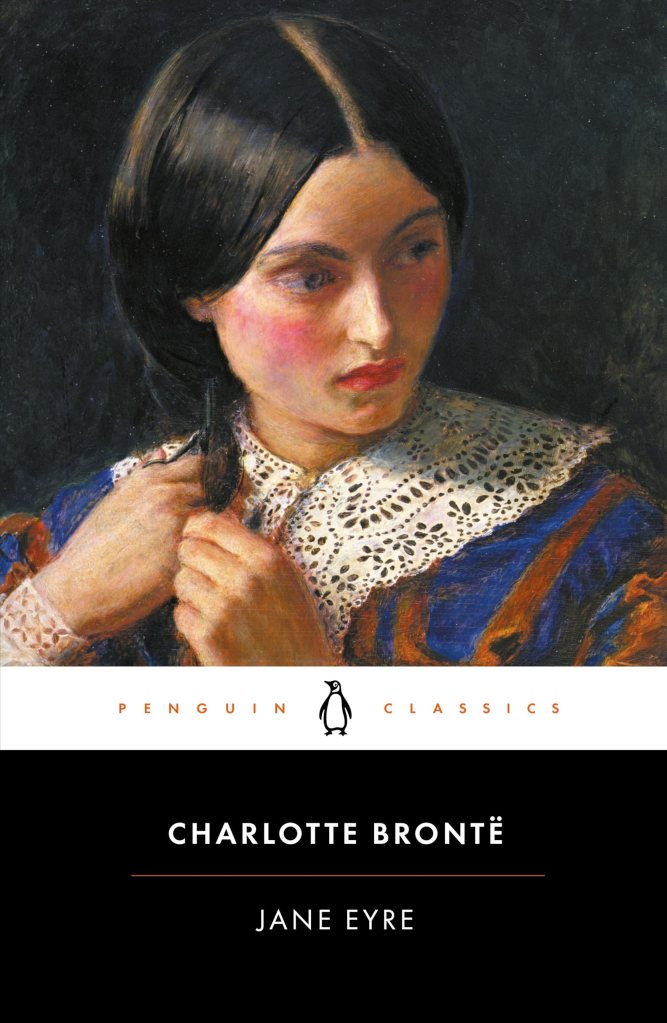
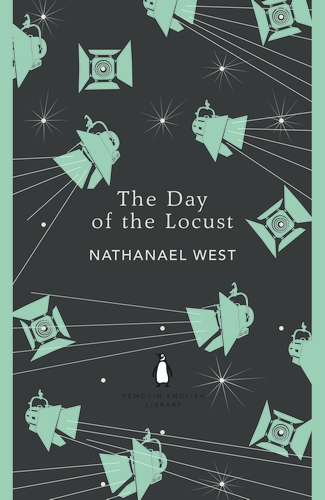
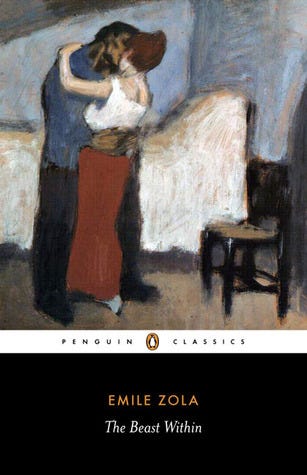
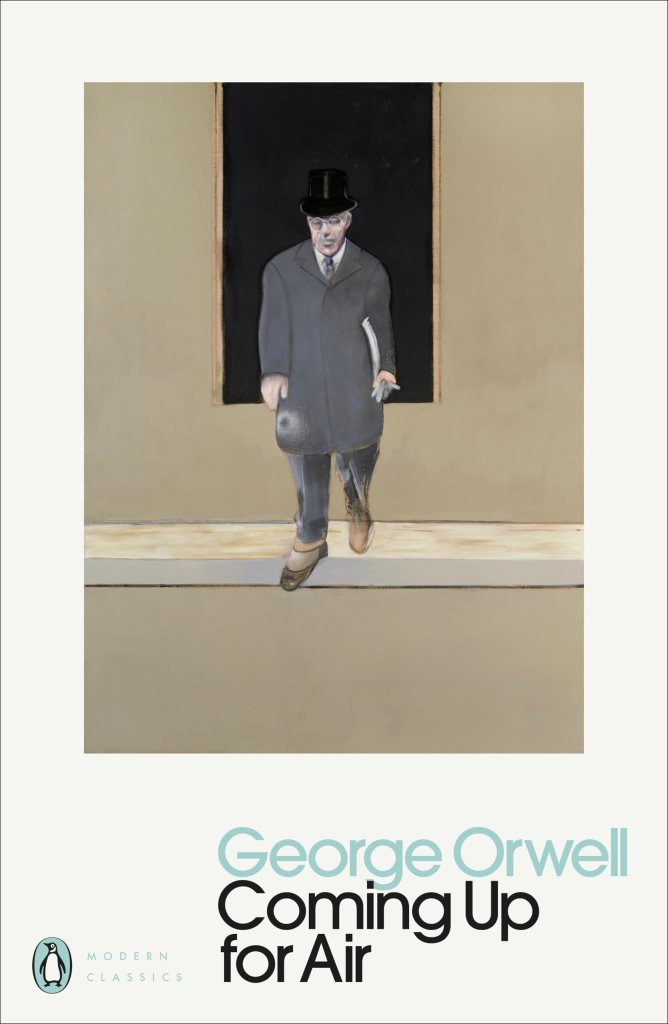
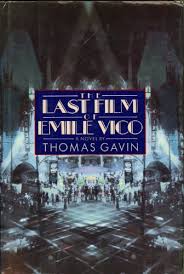

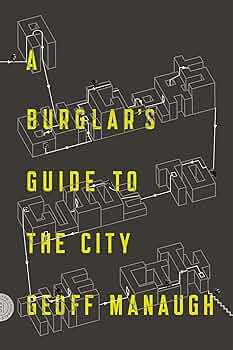

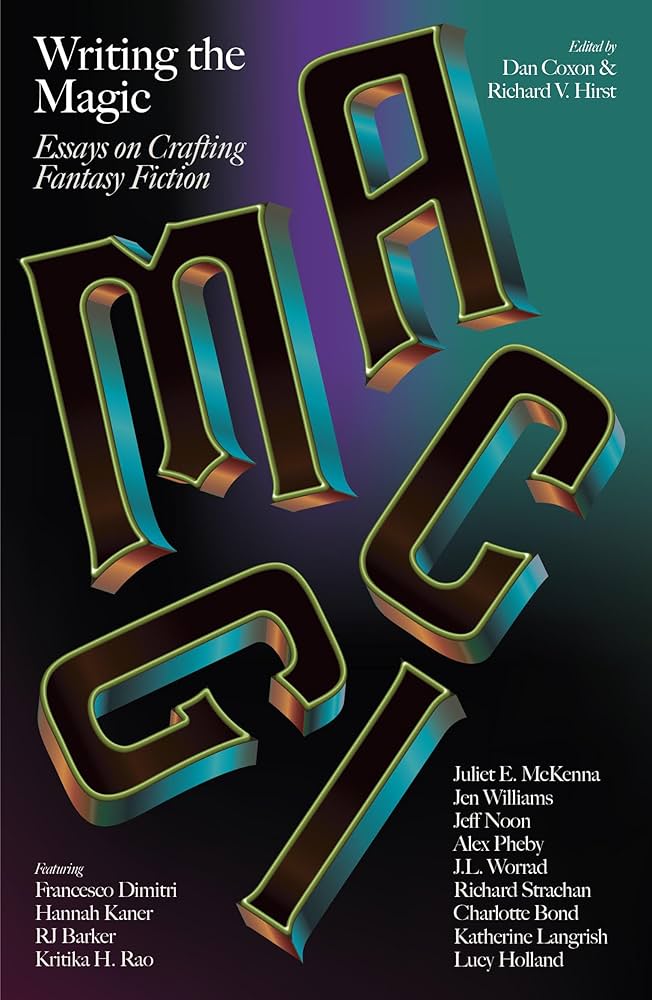
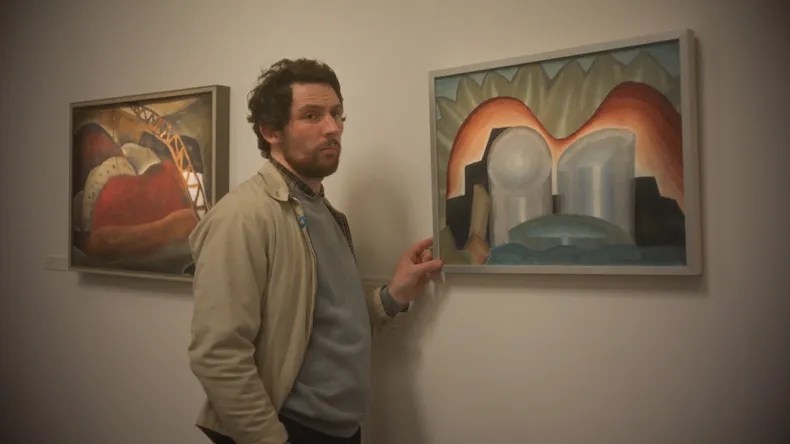
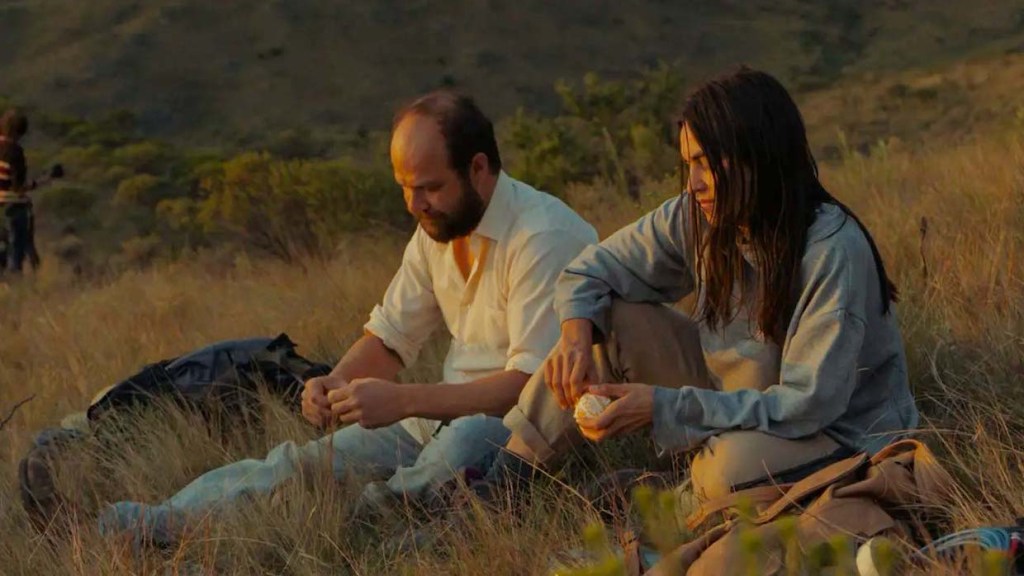
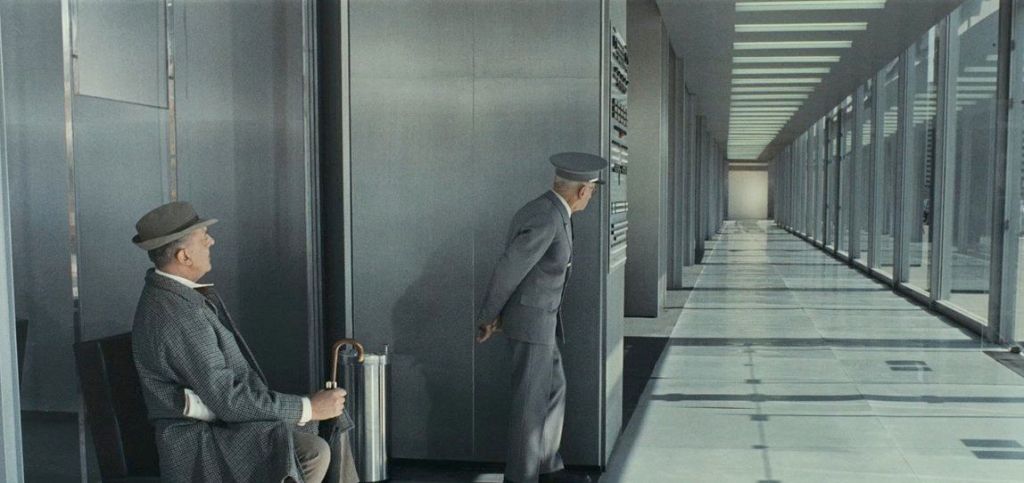
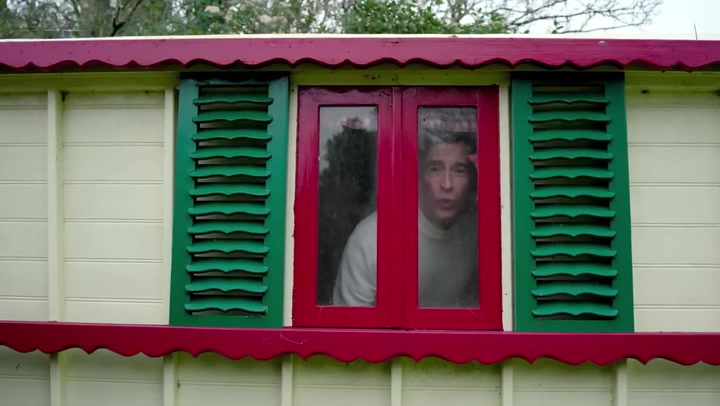
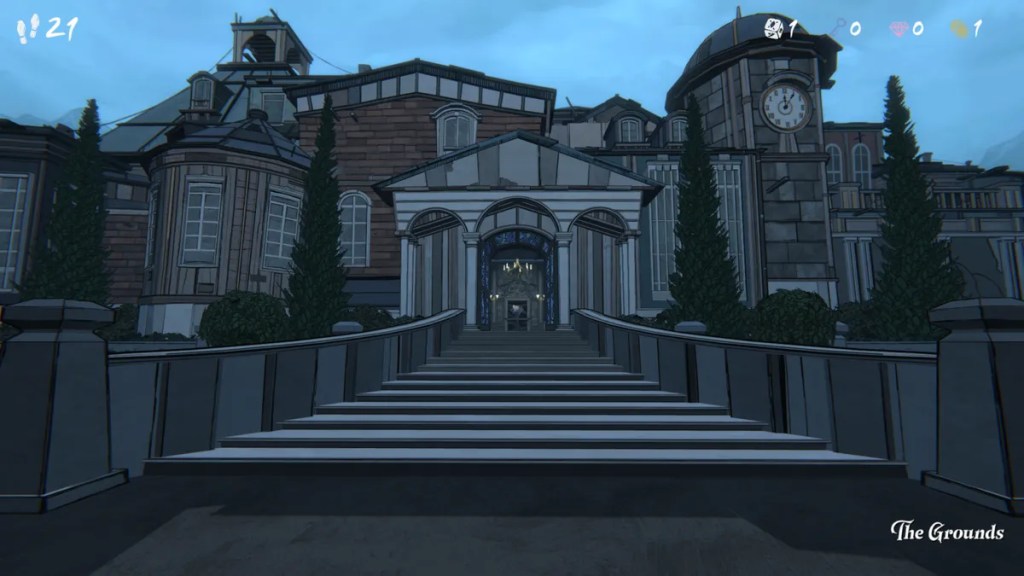


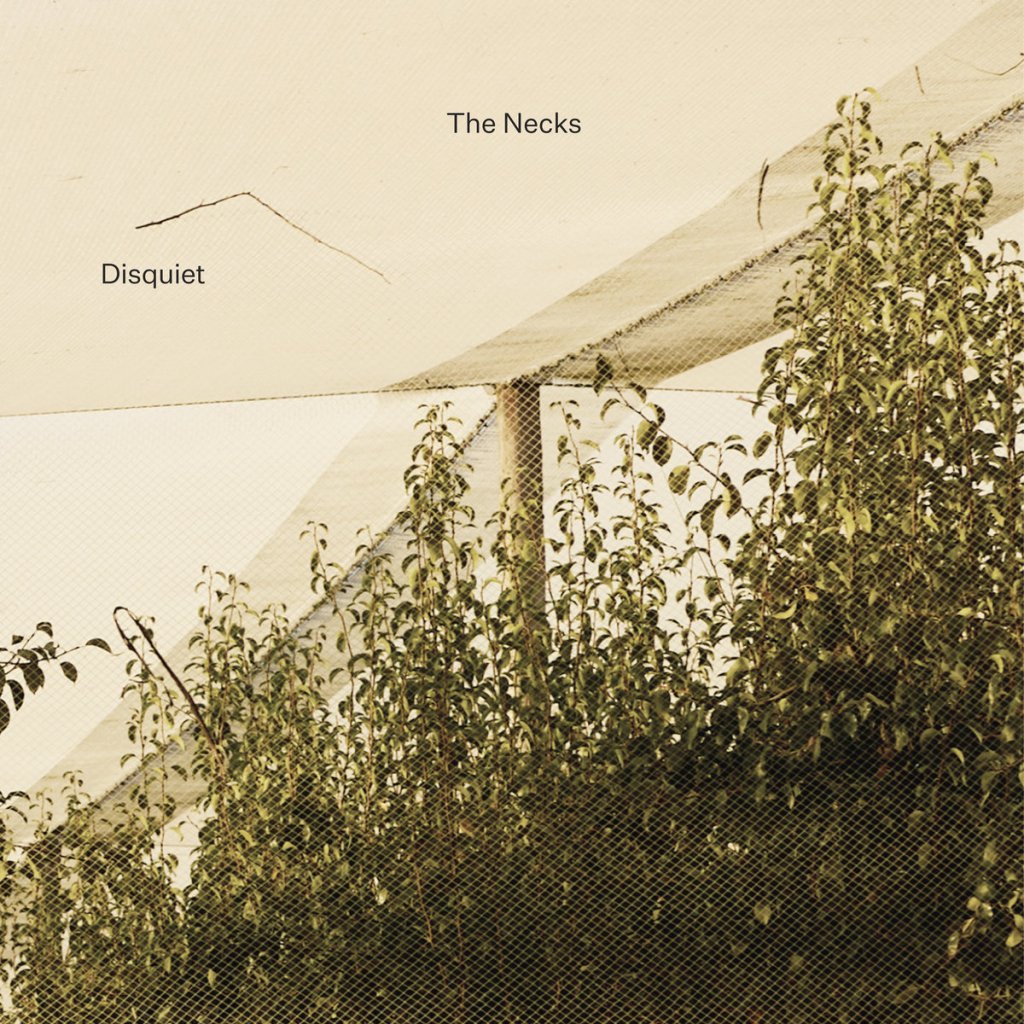
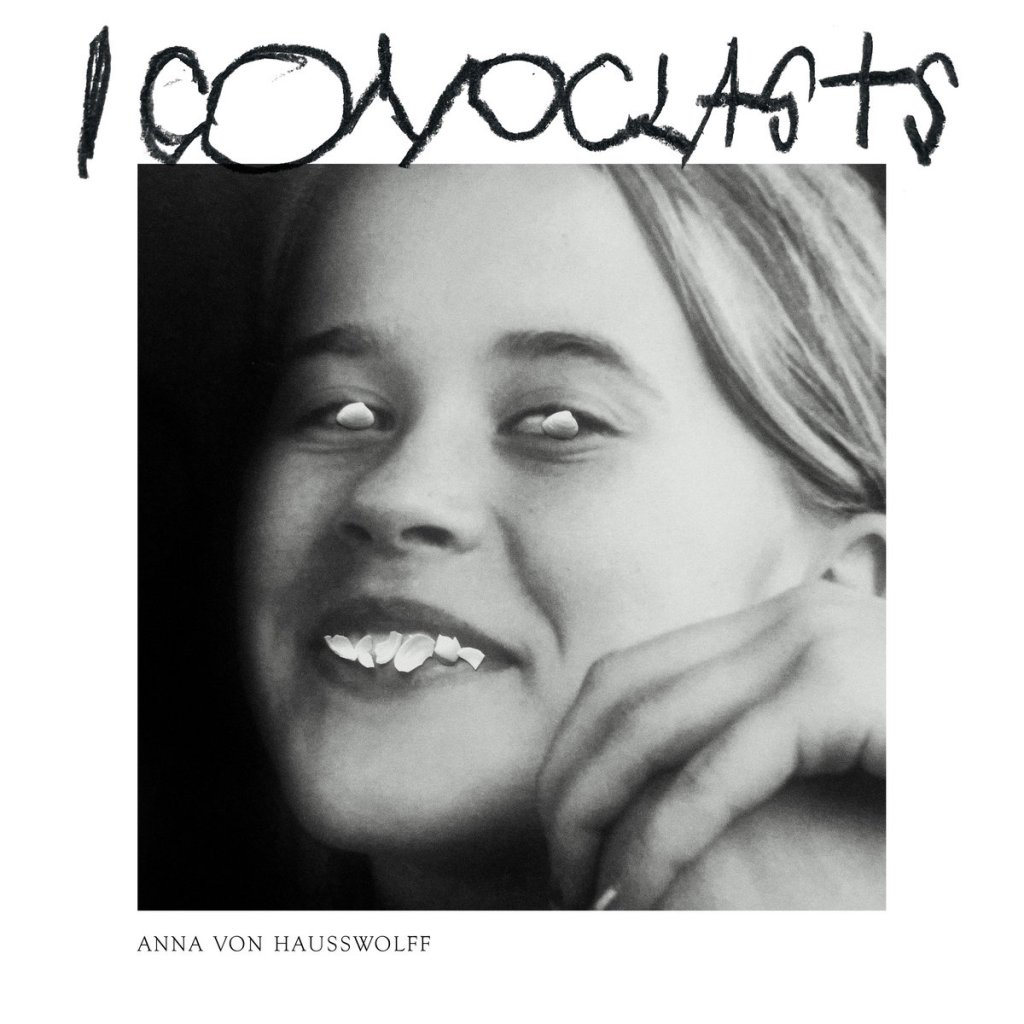


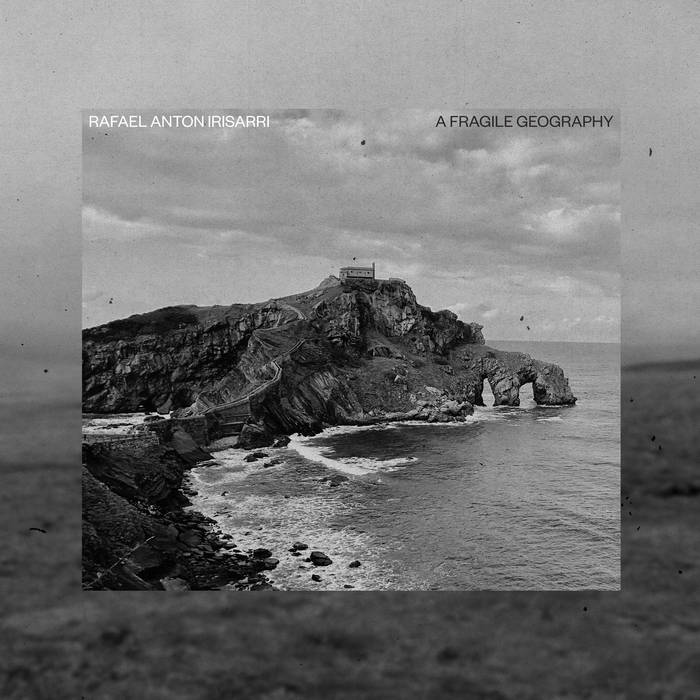



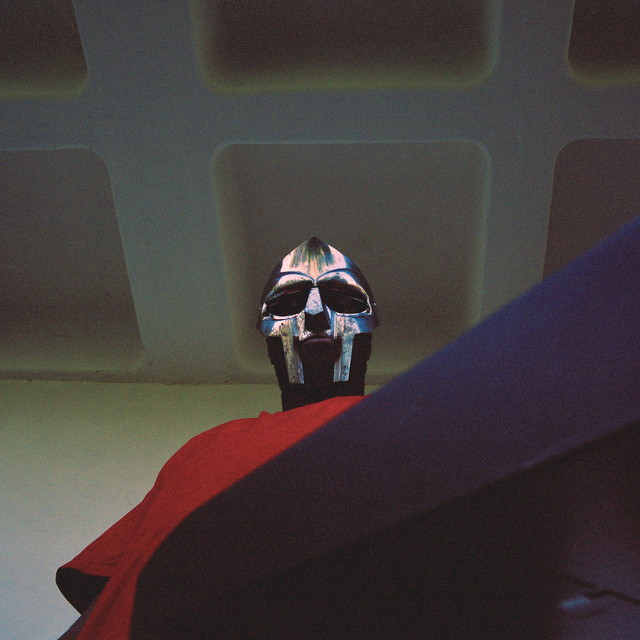


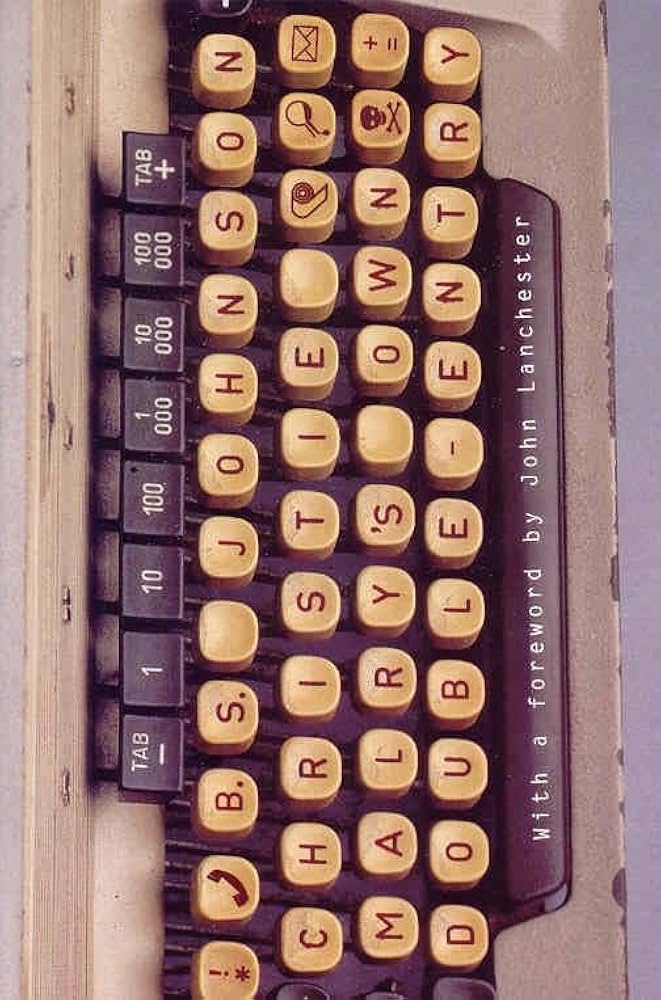


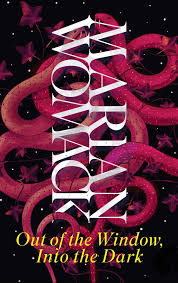
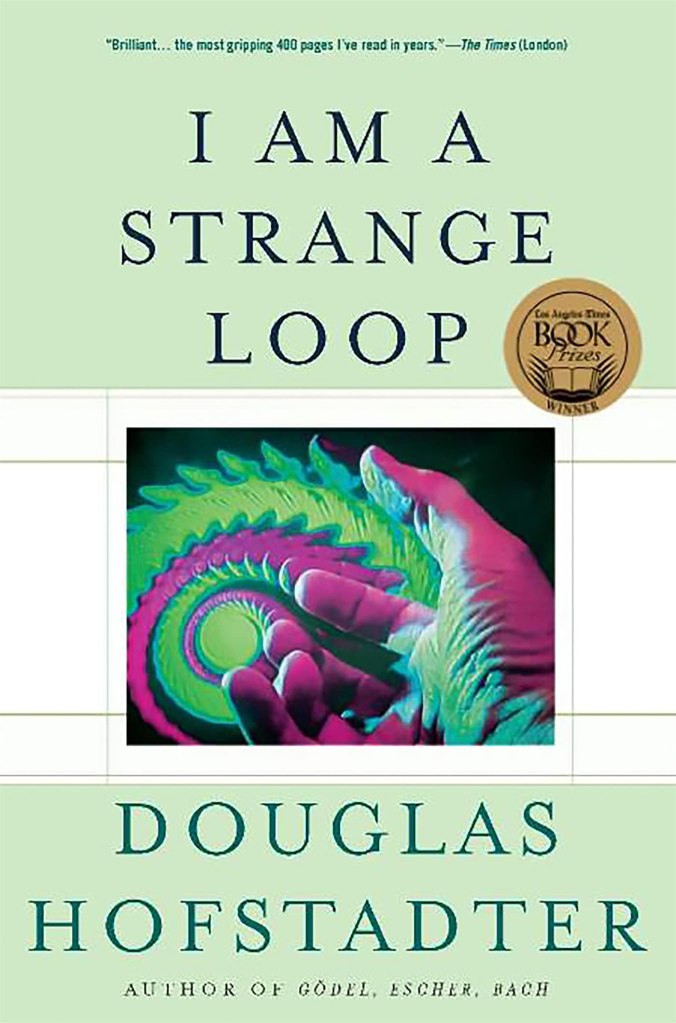


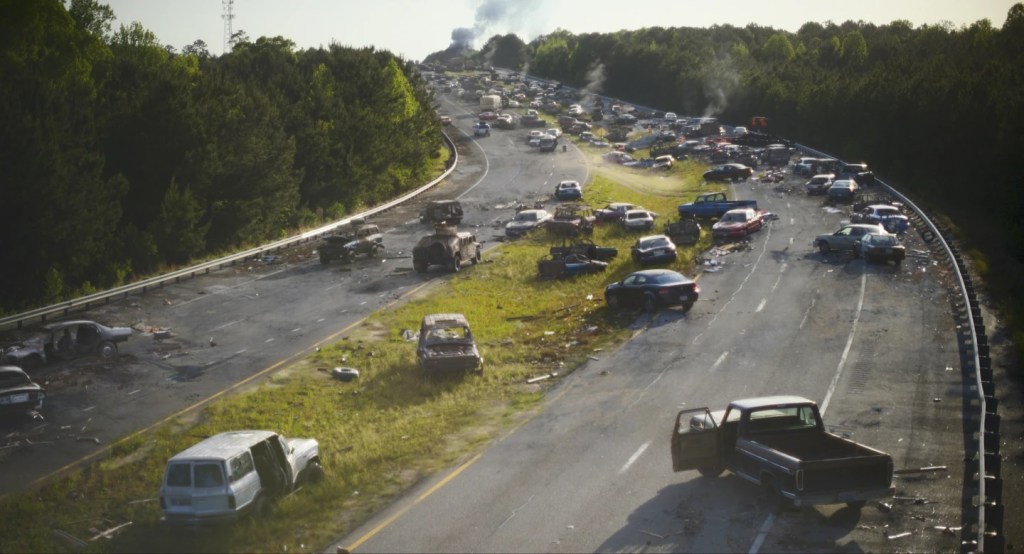

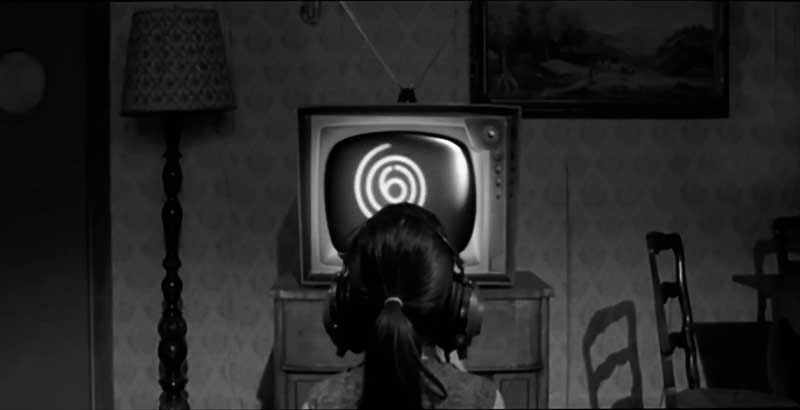
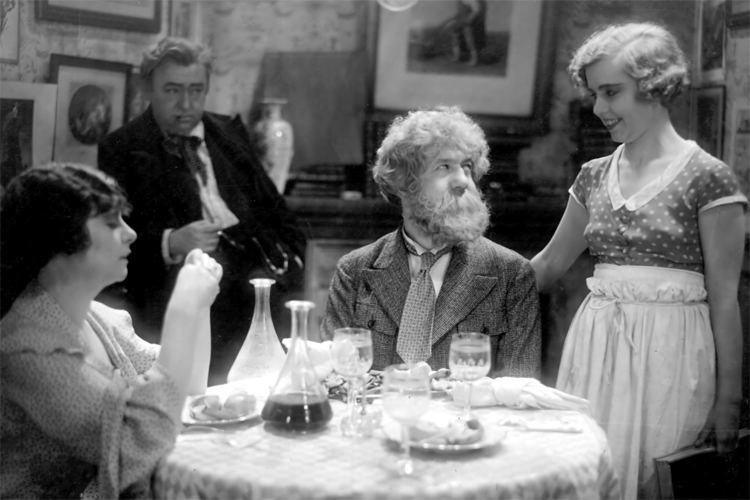

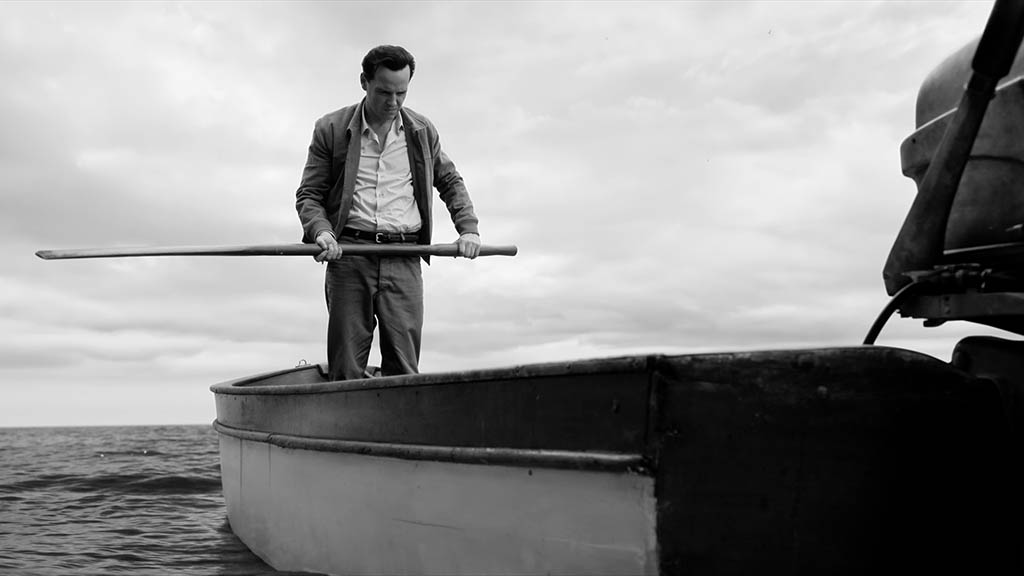
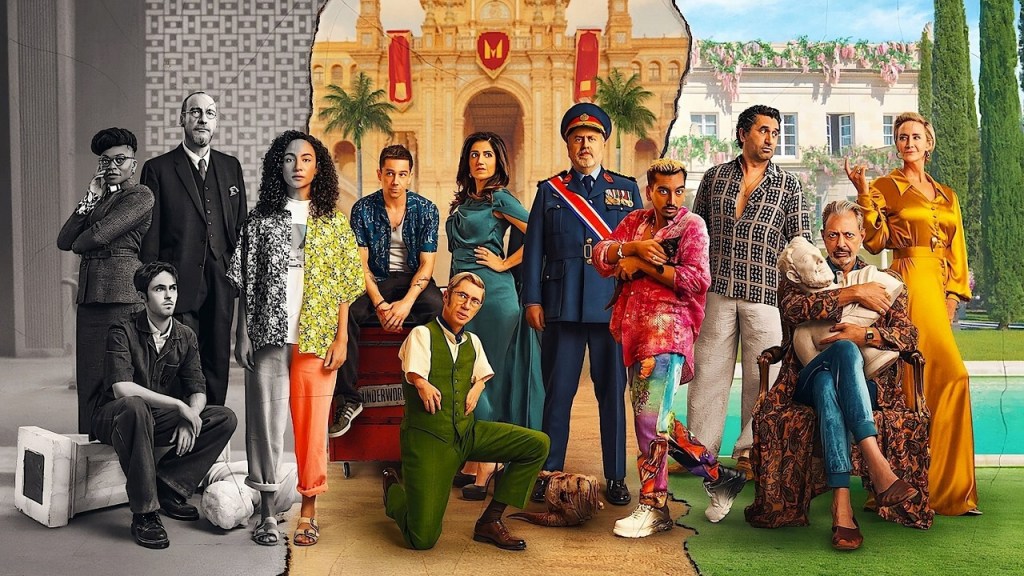

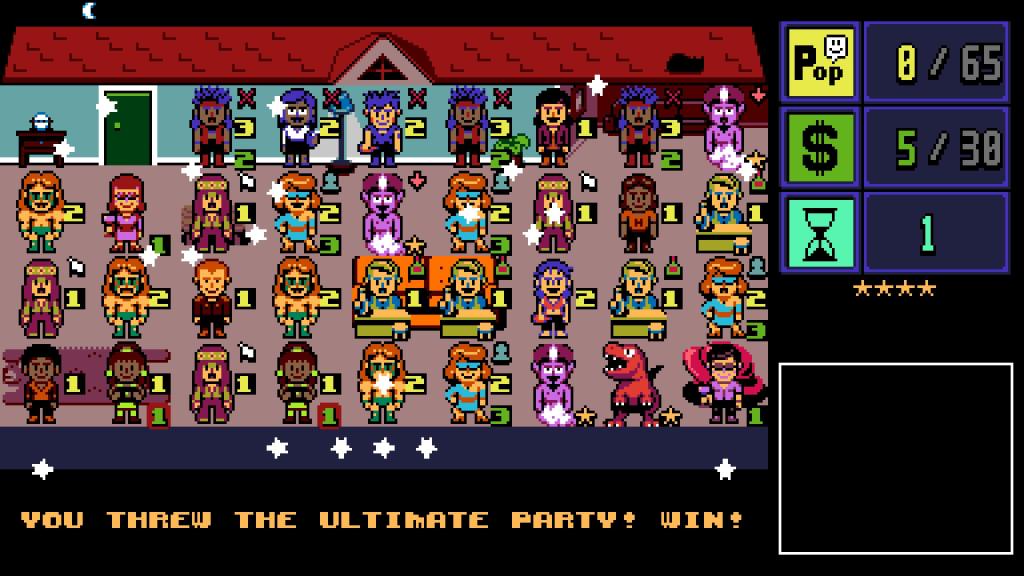

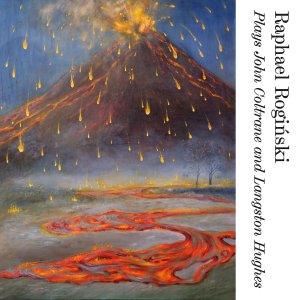
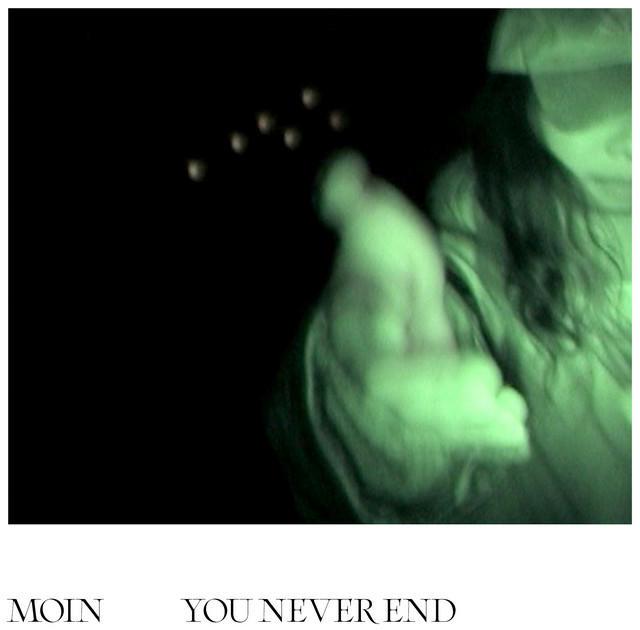

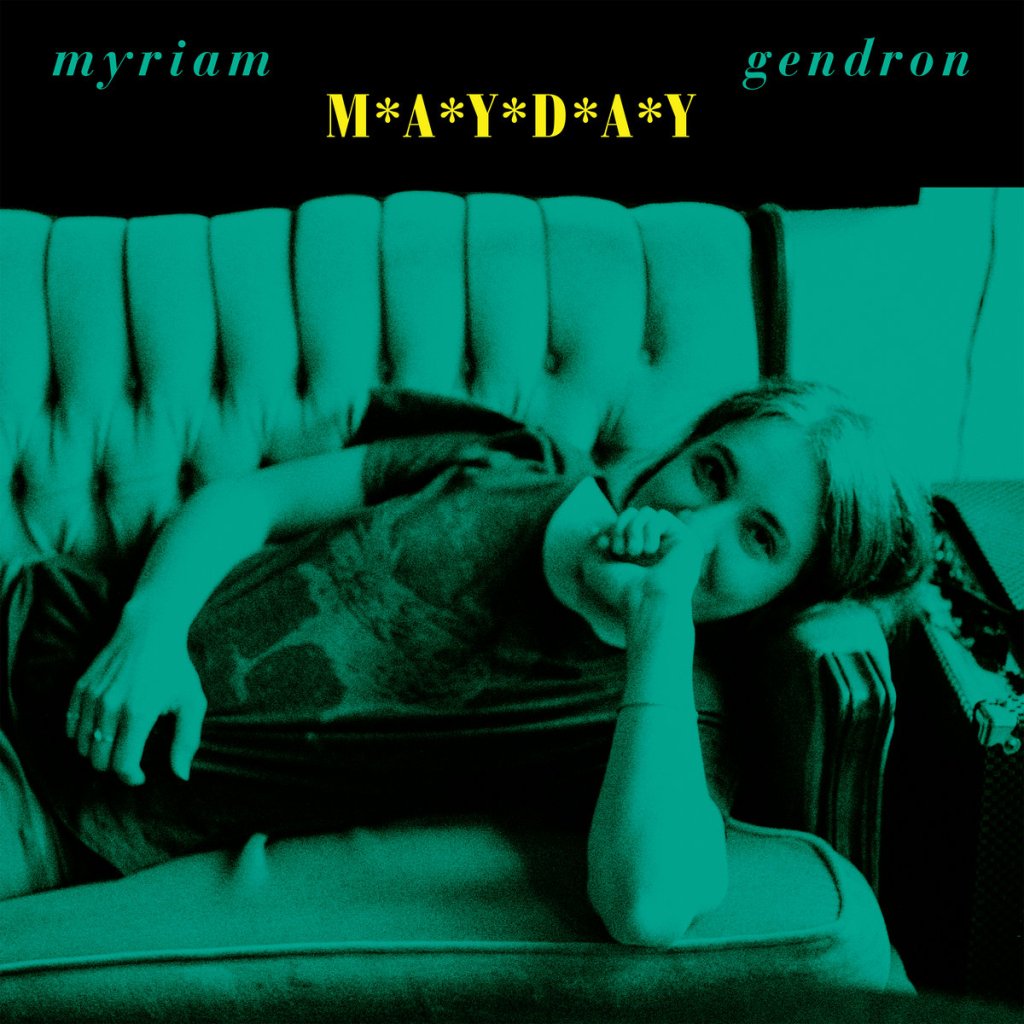

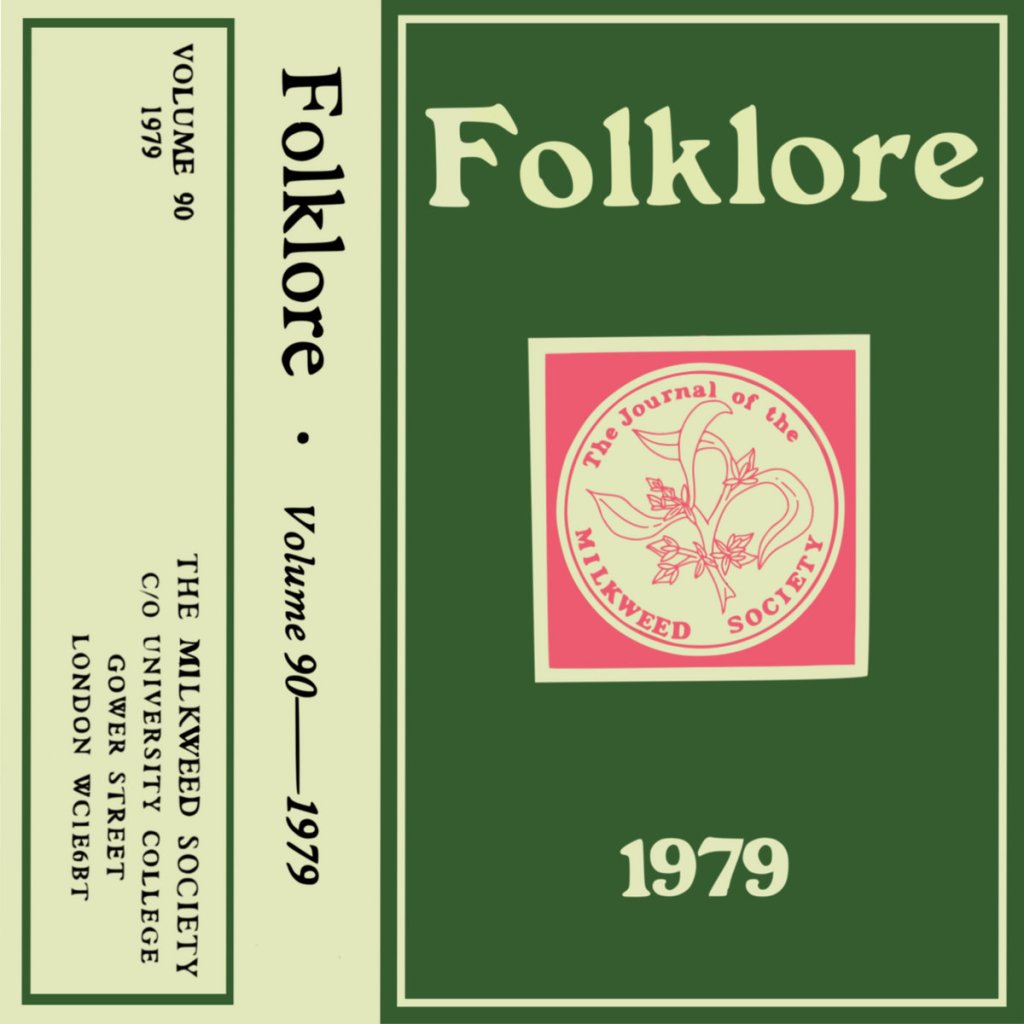


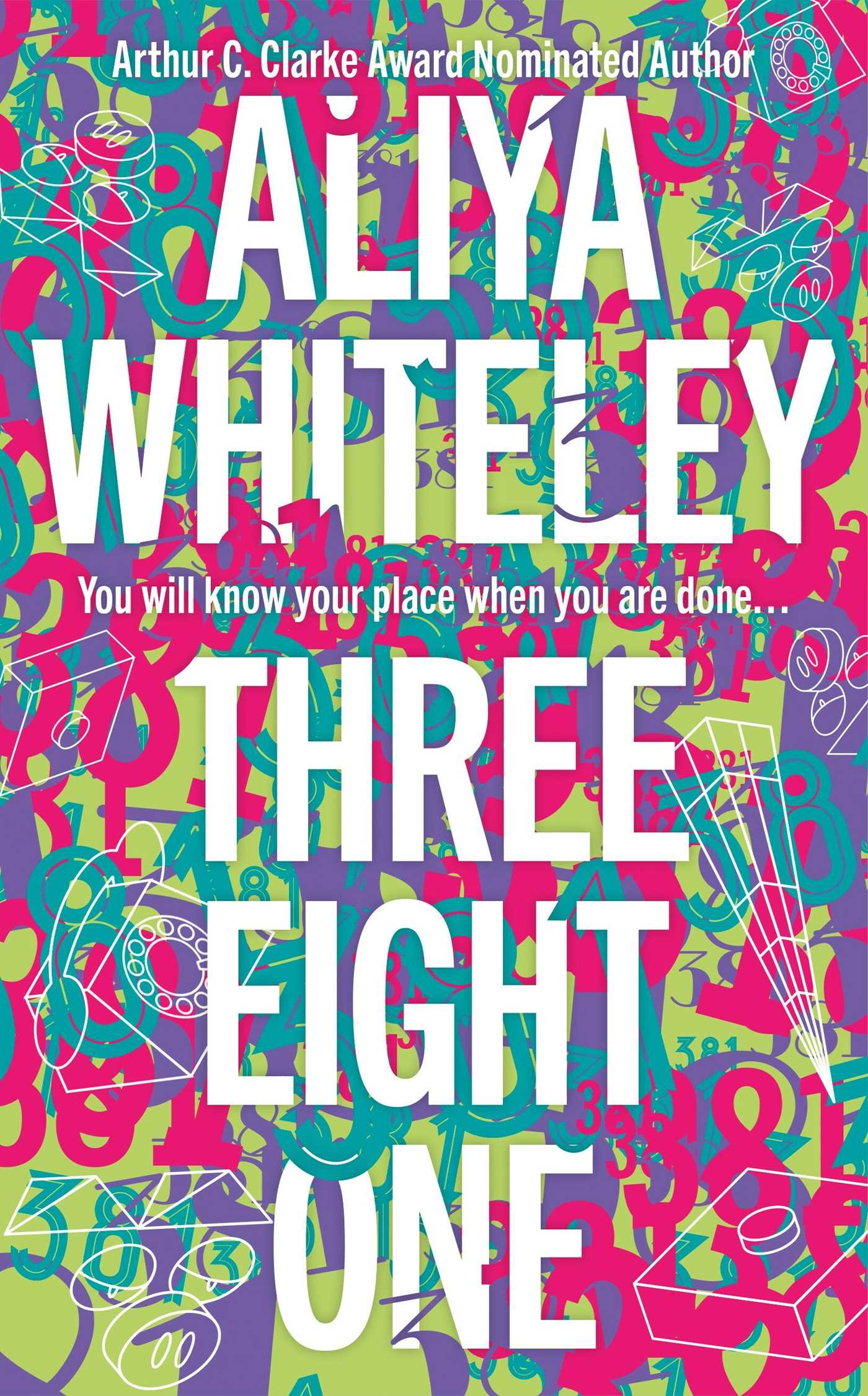
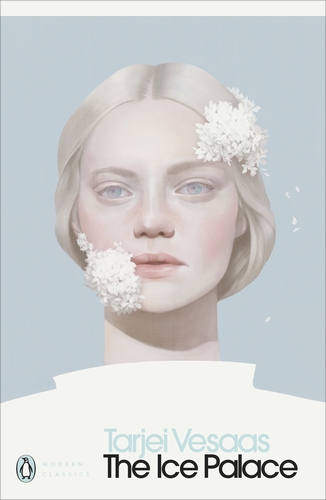
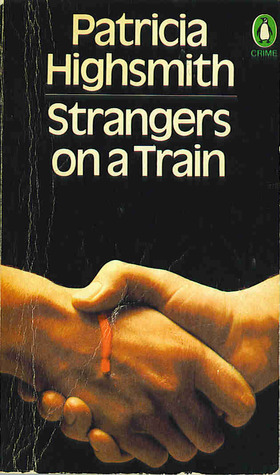
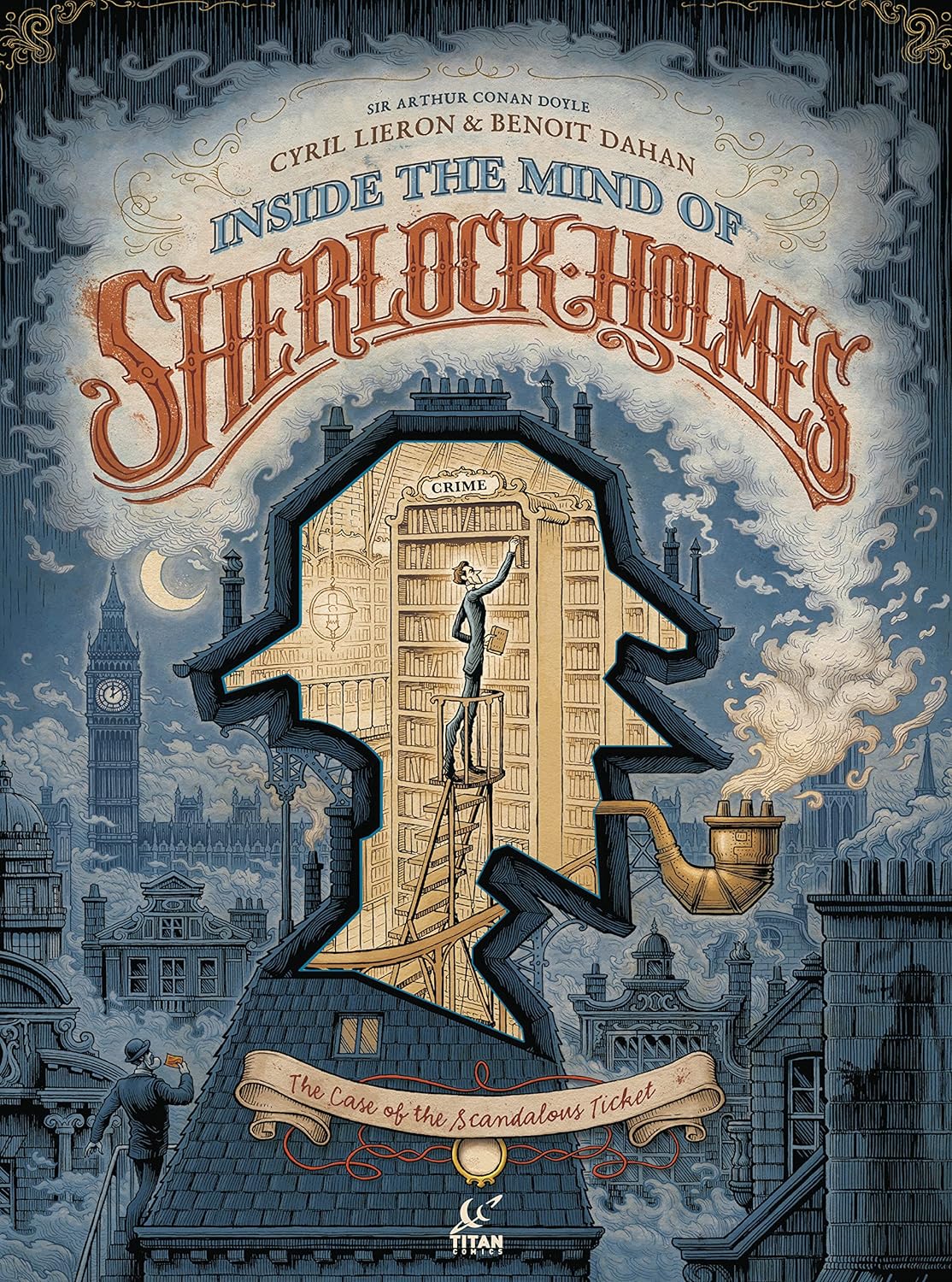
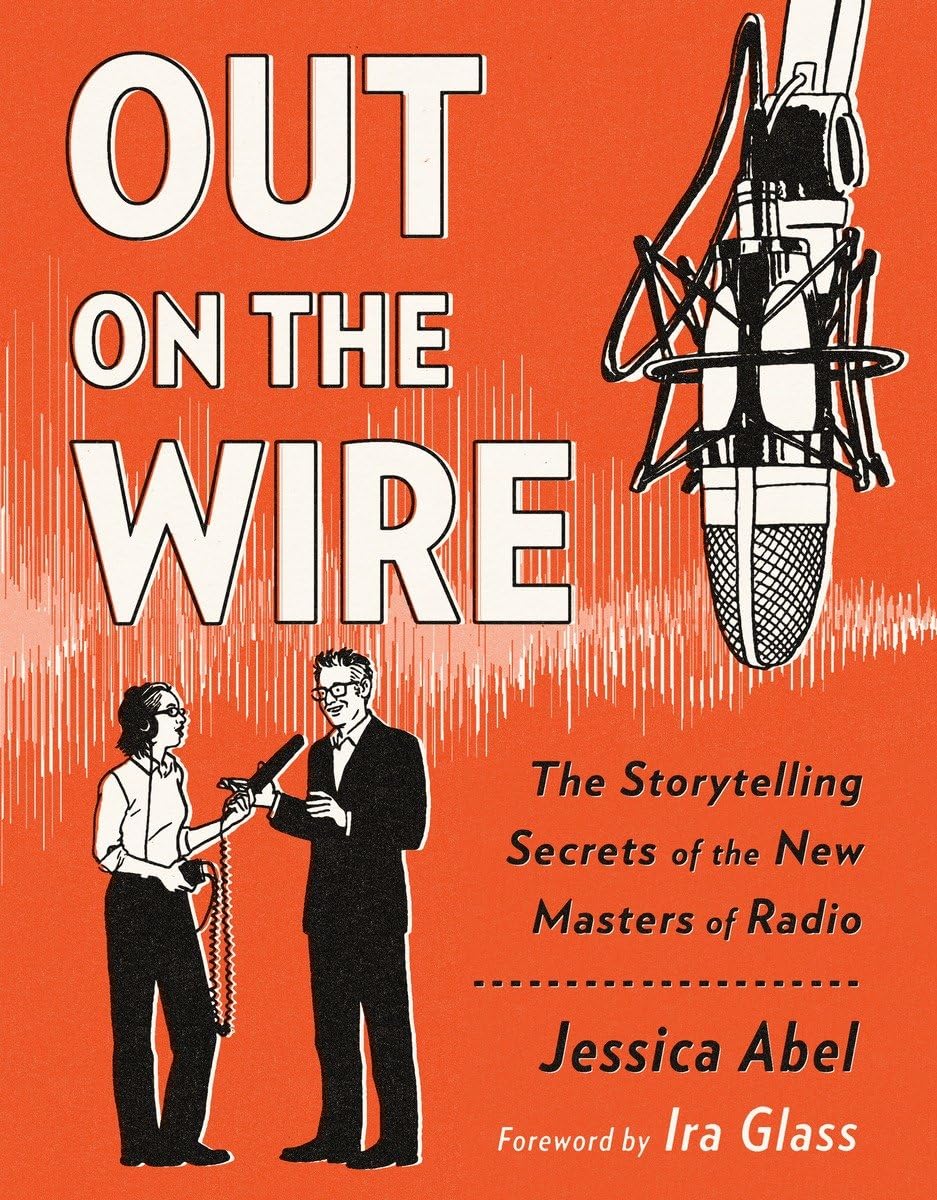

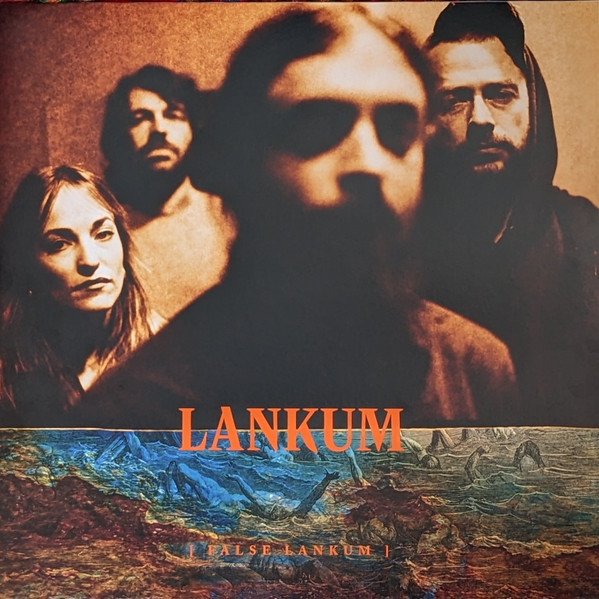


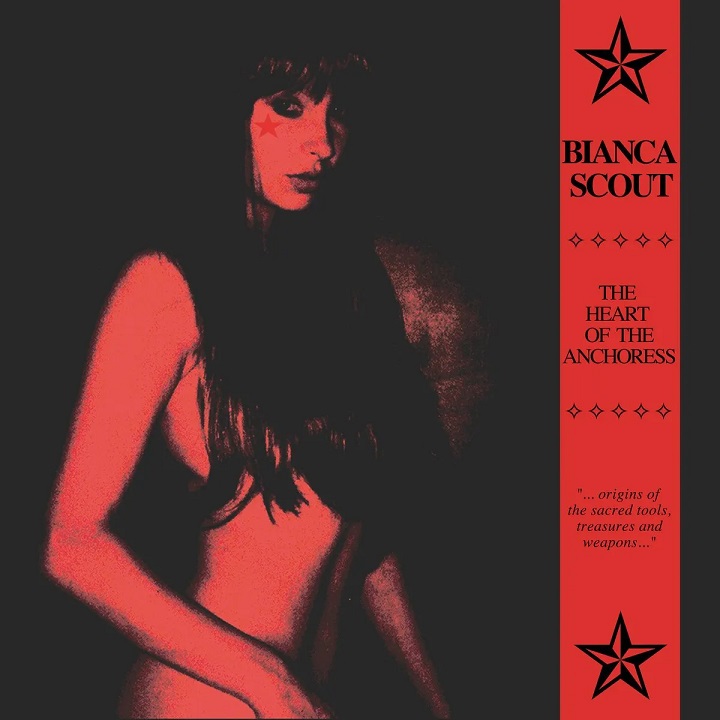


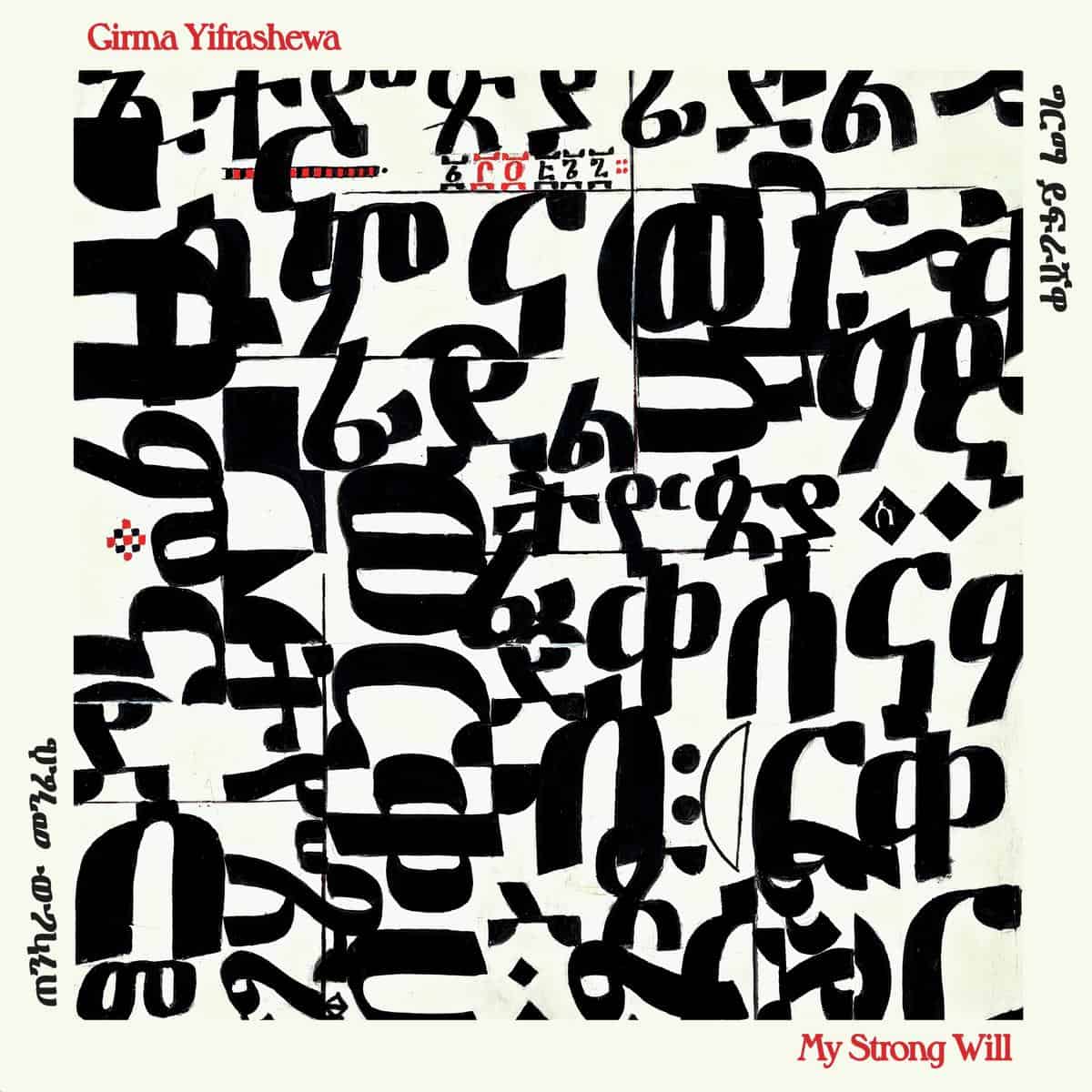







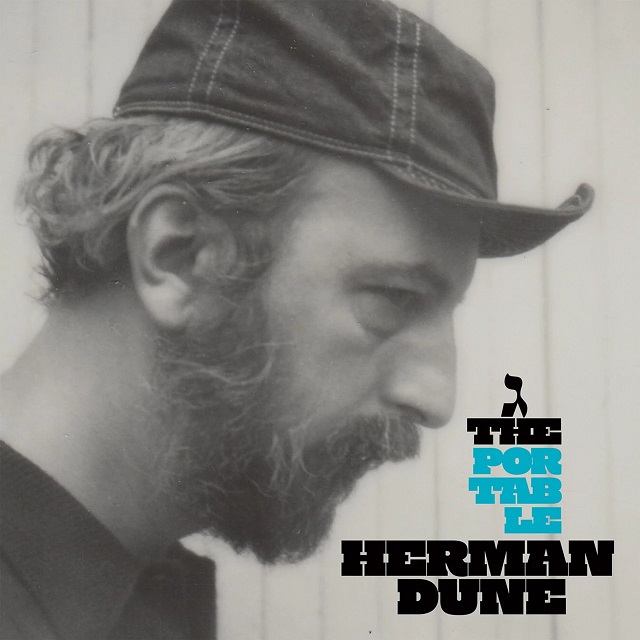




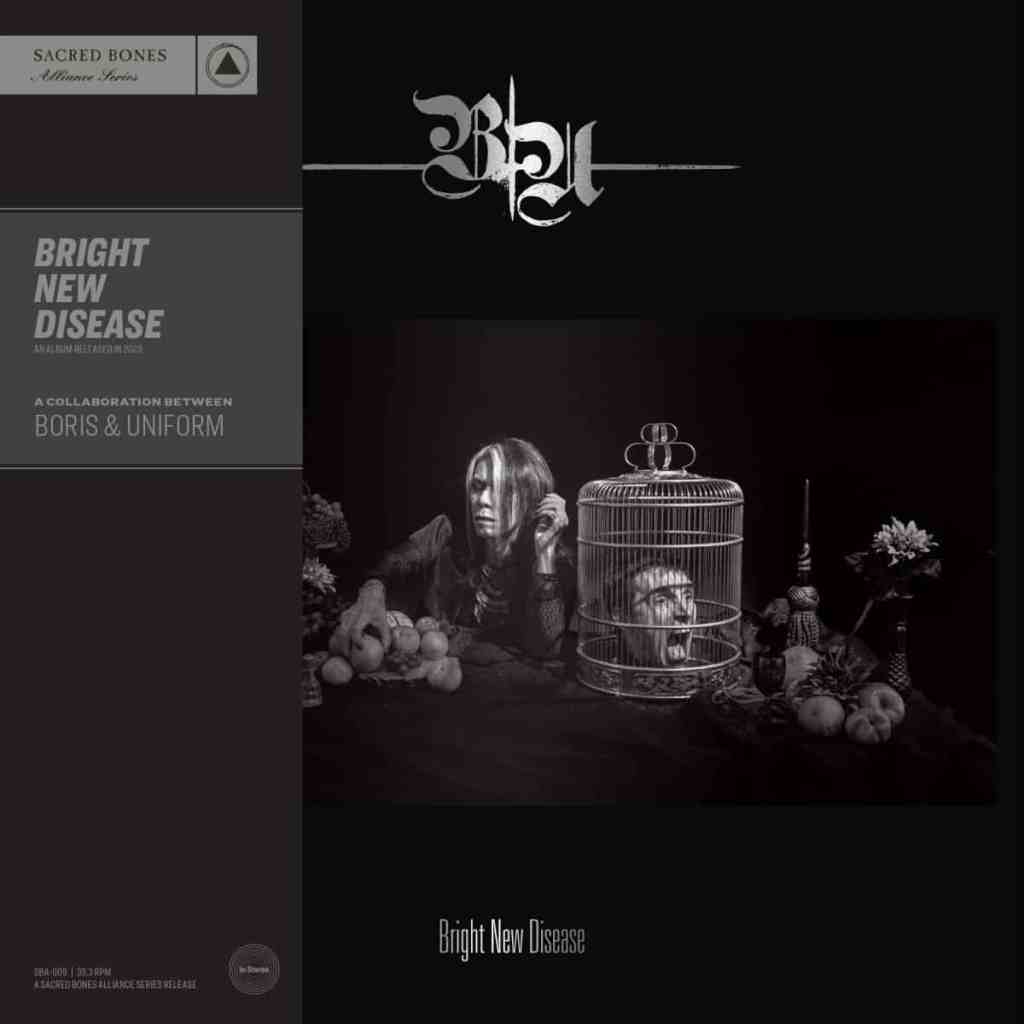




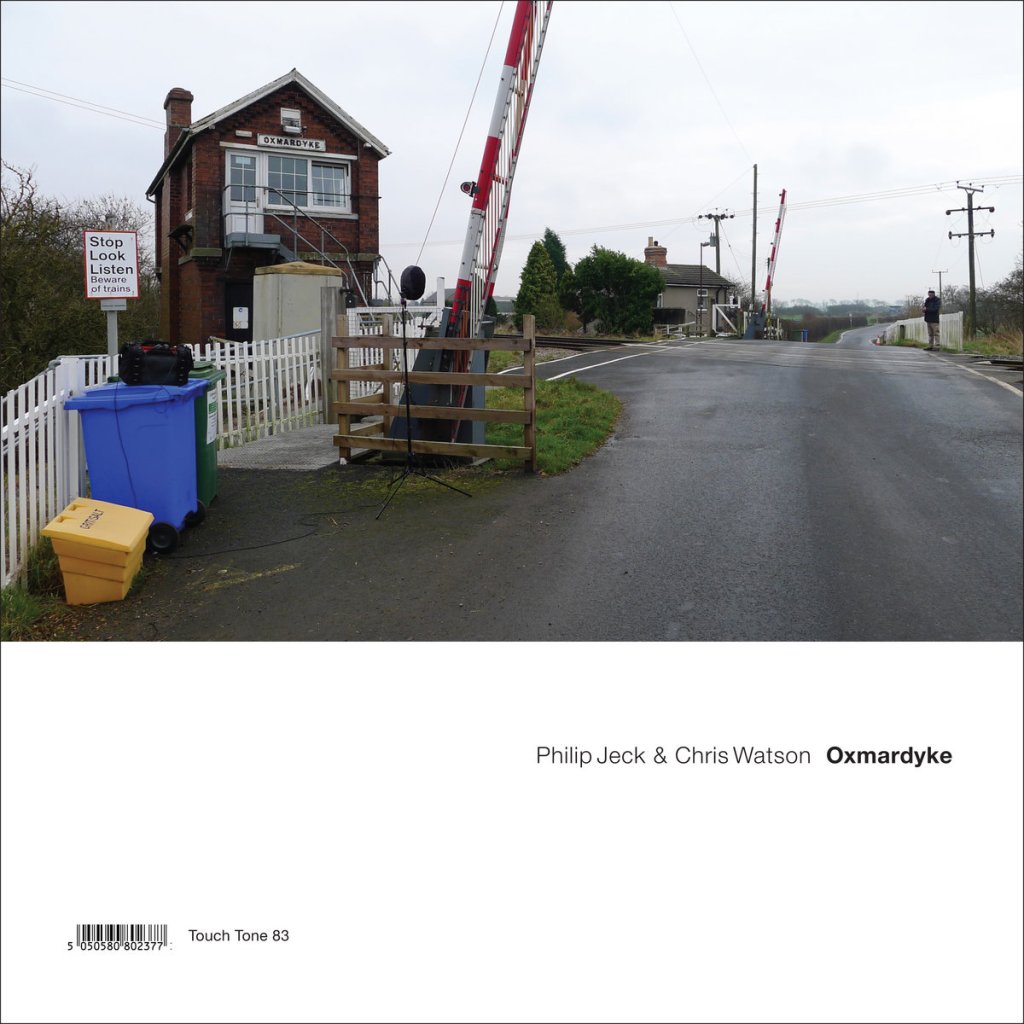


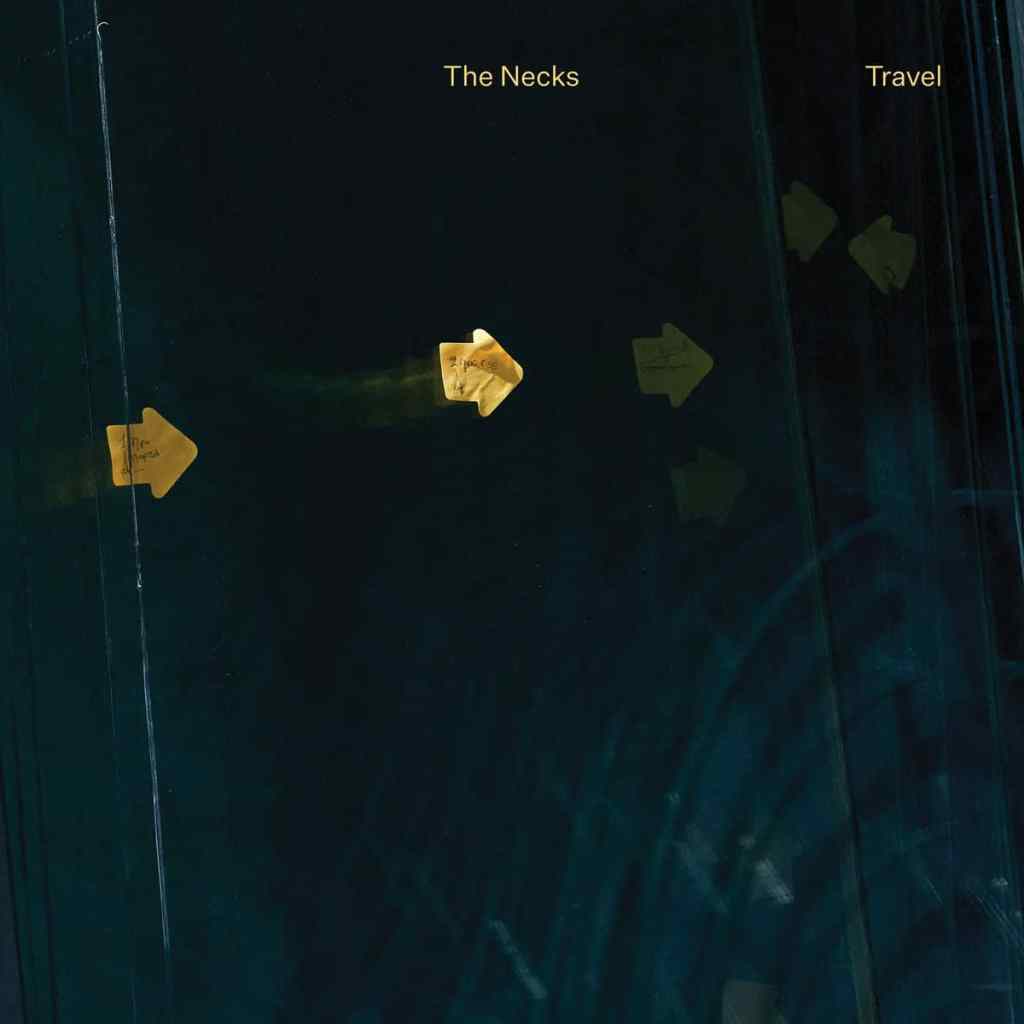


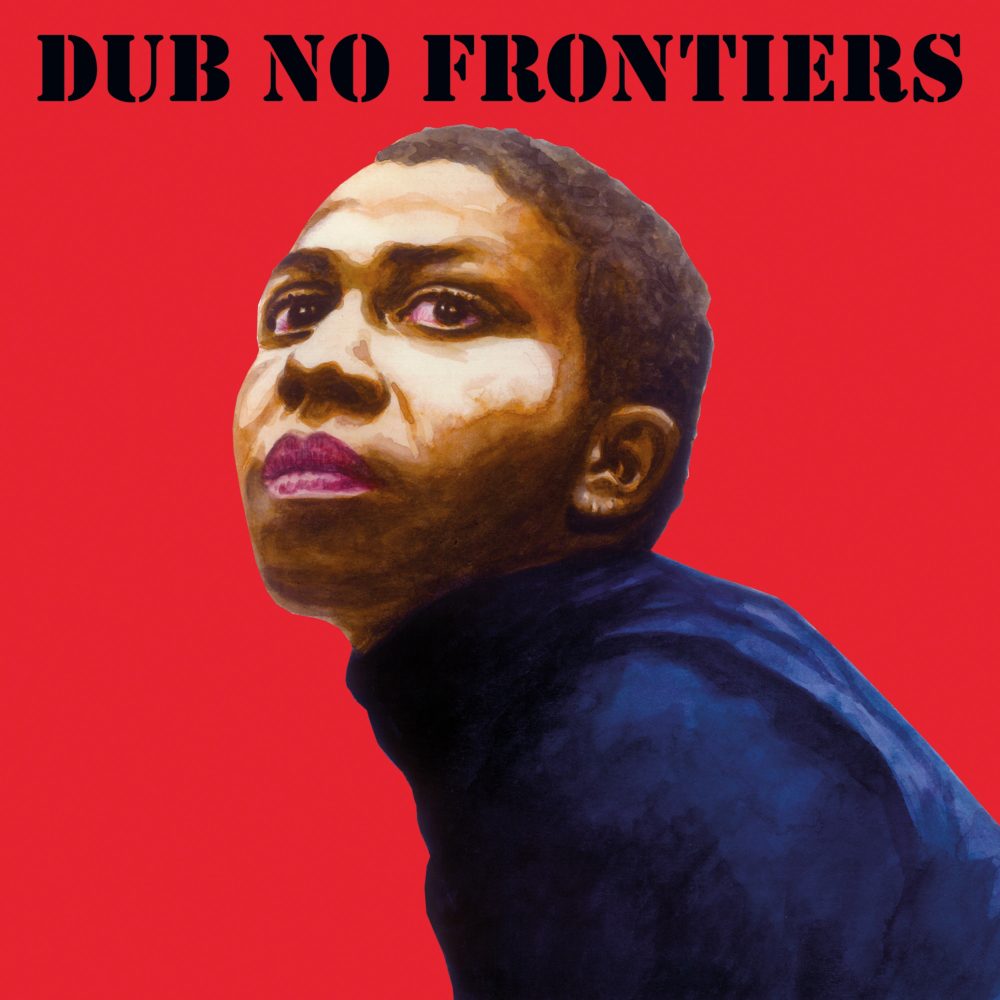
 My favourite book published this year was Candescent Blooms by Andrew Hook. It’s an outstanding, confident, often surreal collection, featuring accounts of the final days of Hollywood actors who died before their time. Despite its strong pitch, it remains difficult to describe – the stories are poetic, subjective, dizzying. Though there’s a huge amount of research in evidence, tone and language take precedence over biography. Normally I struggle to read whole collections from start to finish, whereas in this case I told myself I’d take my time, savour the richness of each story, but then raced through the whole lot in a couple of sittings, so that now they all merge in my mind and I couldn’t tell you which I loved most. It’s a huge achievement and a hell of an experience, and I recommend you get hold of a copy immediately.
 Of the other recently published novels I read this year, the one that meant the most to me was Leonard and Hungry Paul by Rónán Hession (2019). I can’t tell you how much I enjoyed this story of humble, modest people achieving humble, modest success. You might describe another of my favourites as an antagonistic twin of this book: No One Is Talking About This by Patricia Lockwood (2021), which genuinely made me laugh out loud in the first half and also cry at the end, and I can’t remember the last novel that managed that. One of the most exhilarating books I read in 2022 was By Force Alone by Lavie Tidhar (2020), casting Arthurian legend in bizarre new forms, a 21st-century riff on T H White’s already riff-packed The Once and Future King. I’m saving the second of Tidhar’s Anti-Matter of Britain Quartet novels (The Hood) for a later treat, and I can’t wait to find out which legends the final two novels will address. Other novels that I loved unequivocally were The Rotters’ Club by Jonathan Coe (2001), my first Coe, which sparked a season of reading his other linked books, and Geek Love by Katherine Dunn (1989), a big, bold carnival of a carnival novel which was Very Much My Thing even before the speculative elements showed up.
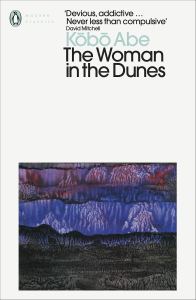 On to older novels. I was blown away by the restrained energy of Housekeeping by Marilynne Robinson (1980), and the inventiveness of the Jekyll and Hyde-inspired Two Women of London by Emma Tennant (1989) – I must get on to reading more of her work. I found The Woman in the Dunes by Kōbō Abe (1962) thrilling in spite, or perhaps because of, its claustrophobia.
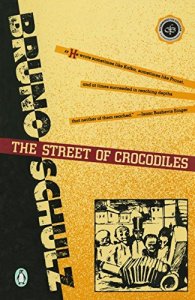 A list of wonderful novels I read this year and that I should have got around to reading much sooner includes: the amoral The Murderess by Alexandros Papadiamantis (1903), the lively Decline and Fall by Evelyn Waugh (1928), the unexpected pleasures of The Club of Queer Trades by G. K. Chesterton (1905), the proto-SF The Machine Stops by E. M. Forster (1909) and the intense and startlingly modern The Awakening by Kate Chopin (1899). Even odder, and somewhat embarrassing, omissions until 2022 were the wonderfully bizarre The Street of Crocodiles by Bruno Schulz (1934) and The King in Yellow by Robert W. Chambers (1895).



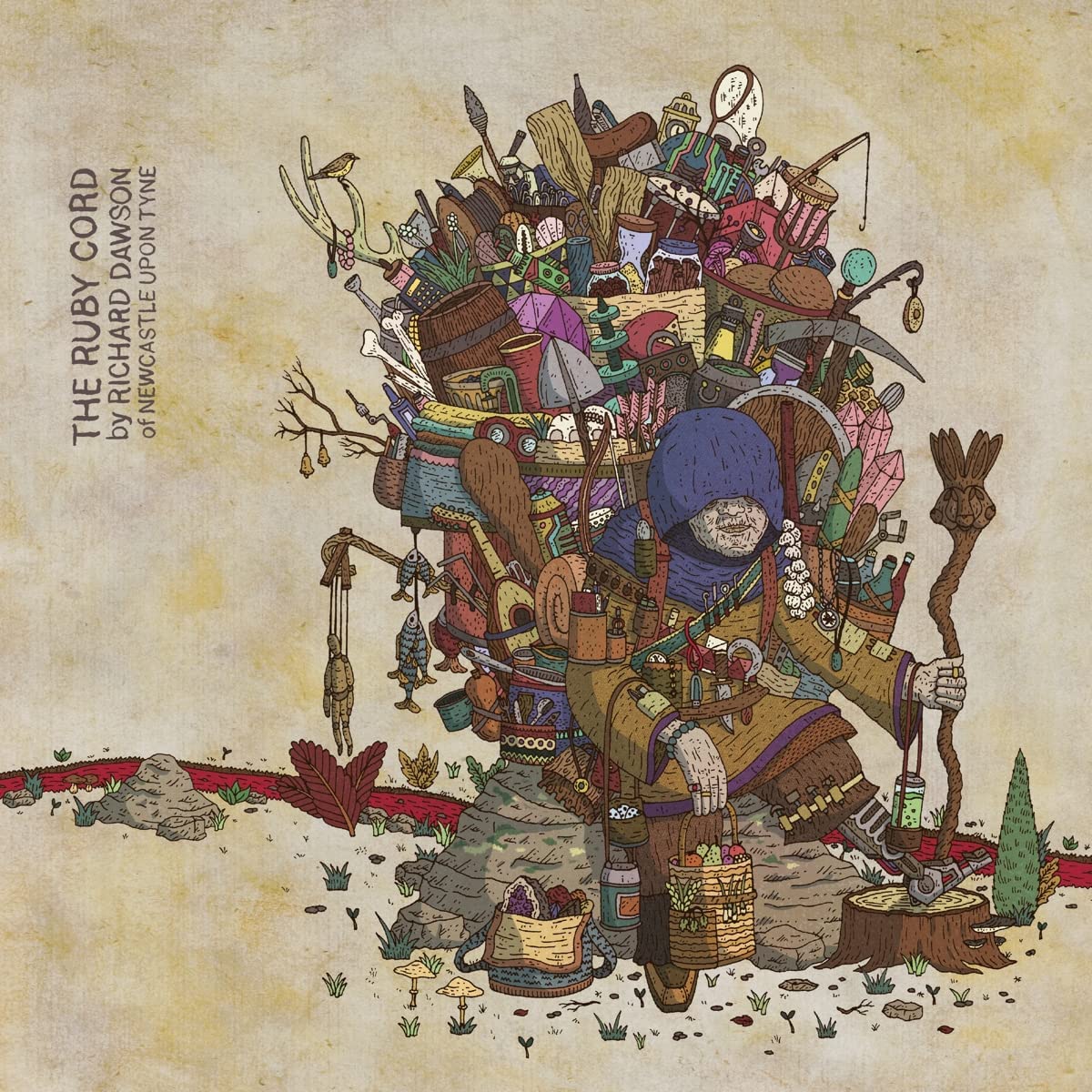

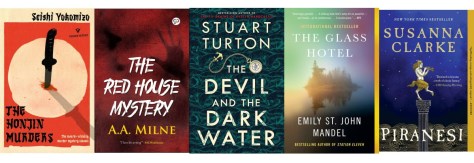


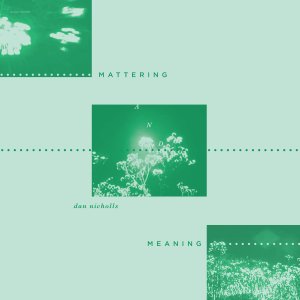




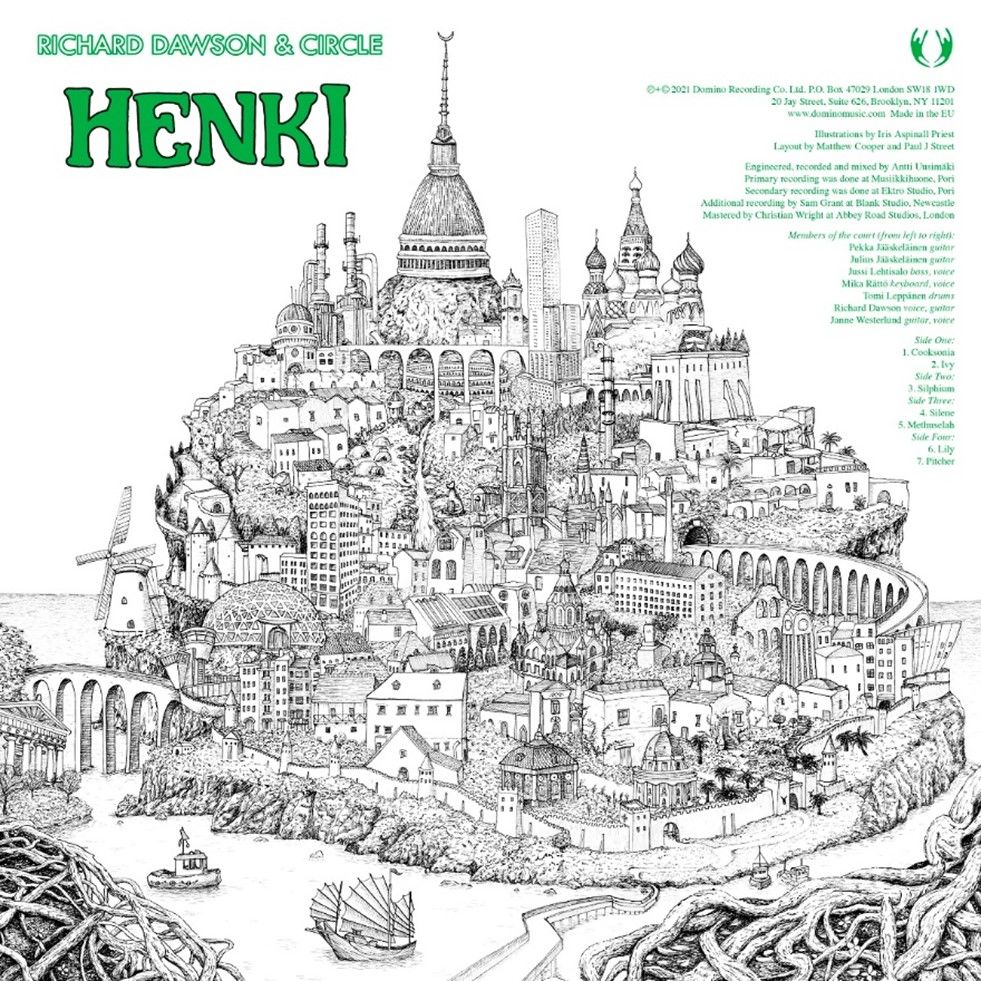
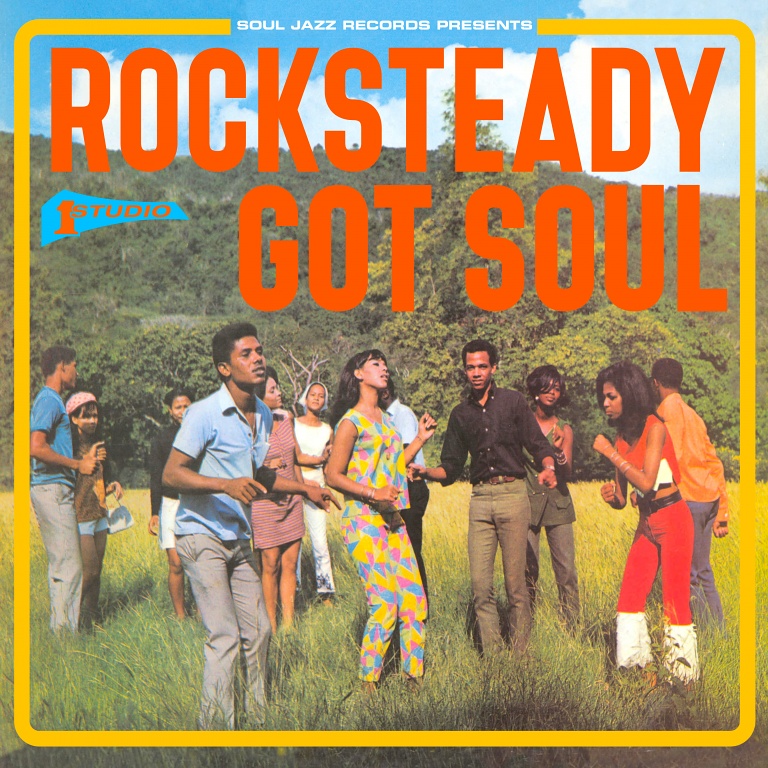


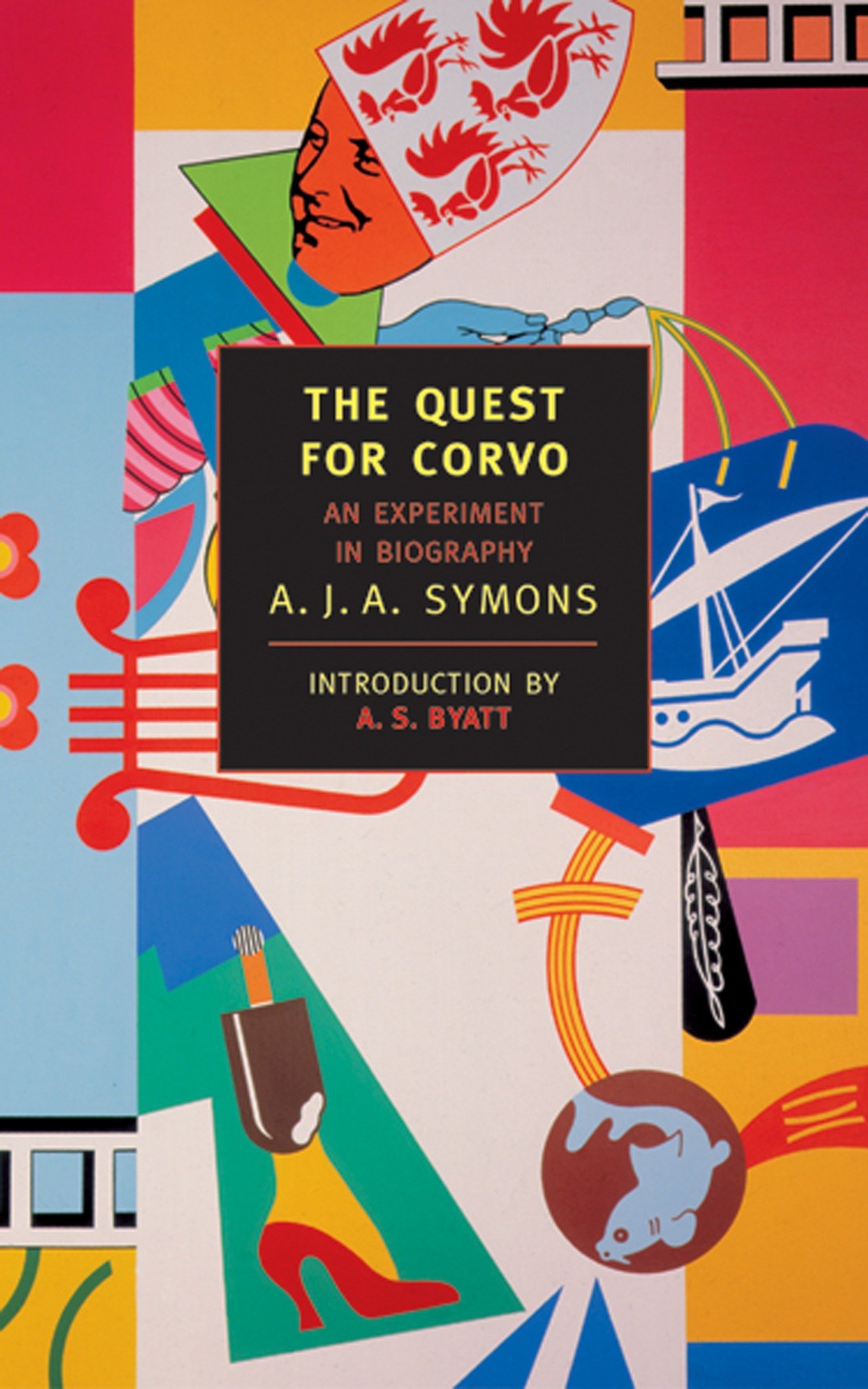

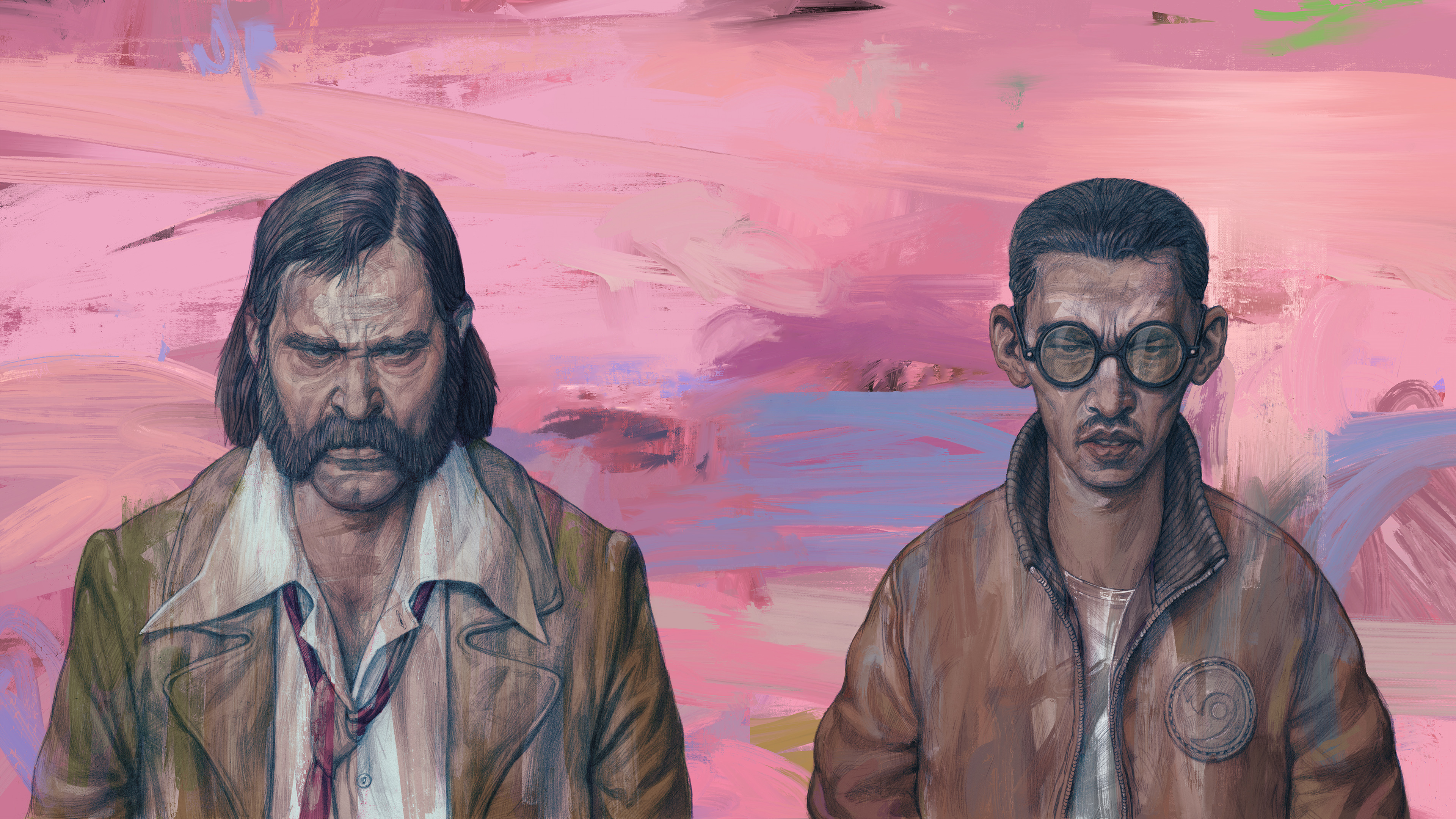
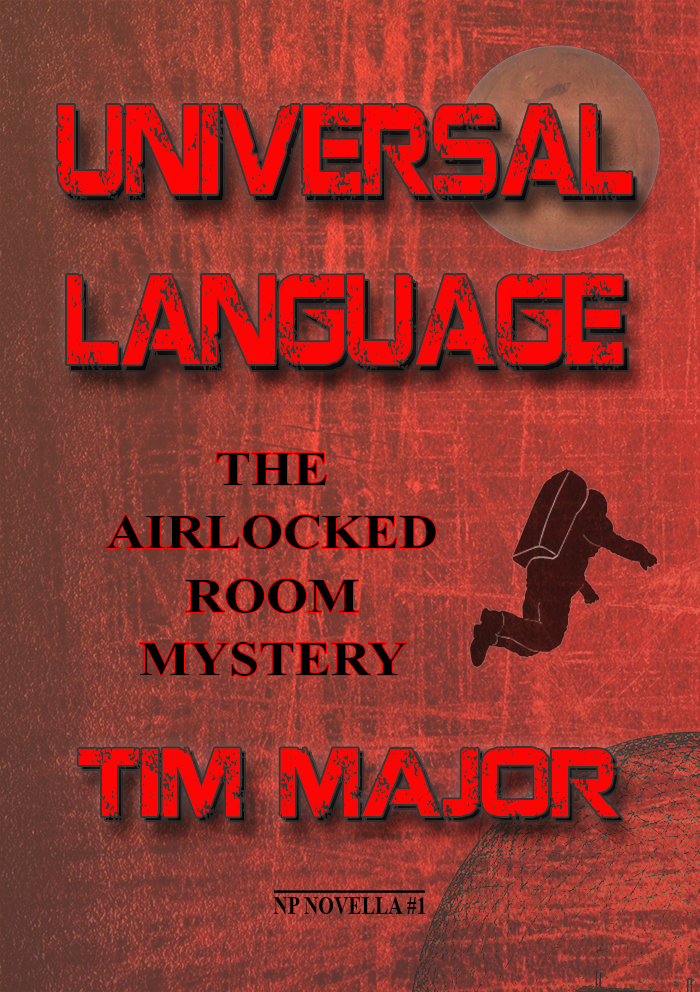

 Gwenifer Raymond’s take on Fahey-esque primitive Americana is heightened by the knowledge that her melodies in Strange Lights Over Garth Mountain are inspired by the Welsh valleys and folklore. Laura Cannell continues a terrific run of form with the distinctly folk-horror collection The Earth With Her Crowns. Beholder by Julia Reidy offers dizzying, ringing guitar textures in which I can lose myself for hours, and similarly the more fragile improvisations on Welsh harp on Telyn Rawn by Rhodri Davies. Dirty Three drummer Jim White, along with Marisa Anderson, provides more immediately digestible melodies in The Quickening, though still as complex as his best work. Kate Carr proves herself to be one of the most interesting current field recordings artists with no less than three releases this year, the pick of which are the stunning Fabulations and The Thing Itself and Not the Myth.
 This year, all of my psychedelia needs unrelated to Sun Ra were catered for The Totemist by Ak’chamel, The Giver Of Illness, which sounds like Sunburned Hand of the Man with heatstroke. Love/Dead by Olan Monk defies easy categorisation, though I suppose it’s much minimal techno as anything, though so dark and strange that it’s as if all the lights go out as soon as it begins, and equally so with Metal Preyers by Metal Preyers, which Boomkat describes as ‘chopped & screwed gristle meets ballistic singeli and mutant electro-acholi’, which, though baffling, is presumably accurate. Visions of Bodies Being Burned by clipping. is as hallucinatory as hip hop gets. Finally, Scis by Oval is a more enjoyable album than the new Autechre, for me, and certainly more frantic.
 The Night Chancers by Baxter Dury may not make me as deliriously happy as his earlier Happy Soup, but it’s still chock-full of his self-deprecating wit, and contains some of my favourite lyrics of the year: Carla’s got a boyfriend / He’s got horrible trousers / And a small car … Carla’s got a boyfriend / I might take care of him, to be honest. Similarly, Pillowland by Jam City doesn’t quite hit the heights of their earlier Dream a Garden, but prods the same hauntological parts of the mind, so that you could convince yourself not only that you’ve heard each track before, but also that each was in fact a key part of the soundtrack to your childhood. Set My Heart On Fire Immediately by Perfume Genius features soaring melodies and straightforwardly brilliant songwriting. Shades by Good Sad Happy Bad is rough and enthusiastic, and a useful reminder that Mica Levi was already excellent within Micachu and the Stripes before she became Britain’s best composer of film scores. Magic Oneohtrix Point Never by Oneohtrix Point Never is surprisingly direct, melodic and memorable, featuring plenty of guest artists and vocals. Finally, Laura Cannell makes another (very different) appearance in this list under the name Hunteress, playing around with synth pop on The Unshackling, and succeeding wildly.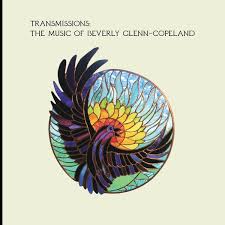
 The artist I’m most grateful to have discovered this year is Beverly Glenn-Copeland, whose compilation Transmissions: The Music Of Beverly Glenn-Copeland I found staggering – a bizarre array of styles, equal parts inspirational and mawkish, and an odd sort of forward-hauntology in which e.g. Massive Attack tracks are evoked ahead of time, and a sense that the songs alter each time I listen to them. Other than that, I loved Temporary Residence’s anthology Field Works: Ultrasonic featuring Felicia Atkinson, Jefre Cantu-Ledesma and Machinefabriek.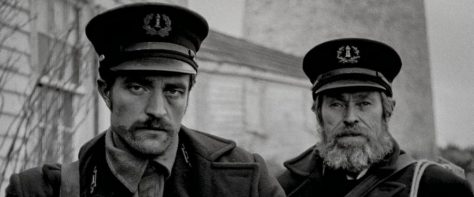
 Of more recent films (i.e. from the last decade), my absolute favourite was The Souvenir (Joanna Hogg, 2019), which I couldn’t stop thinking about for all sorts of reasons, and the knowledge that there’s an upcoming second part is tantalising. Bait (Mark Jenkin, 2019) was delightful in all respects, the best film about film that I’ve seen for a while. I found Pain and Glory (Pedro Almodovar, 2019) surprisingly affecting, particularly Antonio Banderas’ performance. The Personal History of David Copperfield (Armando Iannucci, 2019) was the most fun I’ve had with a recent film, in part due to the pleasure of spotting favourite TV character actors. I loved Aniara (Pella Kågerman & Hugo Lilja, 2018) – exactly my sort of setup, about a Mars migration that turns into an endless voyage – the intertitles signalling greater and greater timescales alone were powerful. And though I loved A Bigger Splash (Luca Guadagnino, 2015) in every respect, Ralph Fiennes’ creepy dancing remains its most memorable moment.
 I watched a lot of classic films this year, partly as a response to lockdown, but also partly because I’ve developed new habits: I no longer fret about not finishing a film in a single session, and I’ve been watching them via BFI Player and MUBI on my (admittedly large-screened) phone, often starting at 5.30am after being woken by my youngest son. Watching films like this, with chunky headphones, in bed in the dark, has been the closest simulation of a cinema setting.
 My immediate response to the announcement of the first lockdown was to panic-read substantial classic novels I’d always intended to read. Middlemarch (George Eliot, 1872) worked as intended: I found it totally absorbing and entirely reassuring. I suspect that Candide (Voltaire, 1759), Mrs Dalloway (Virginia Woolf, 1925) and Lanark (Alasdair Gray, 1981) and The Third Policeman (Flann O’Brien, 1967) will each be influential on my own writing in the coming years. My favourite horror novel was Thérèse Raquin (Émile Zola, 1867), which packed a punch partly because I didn’t realise it was going to be a horror novel. My most important reading discoveries in 2020 were the novels of Richard Yates, my favourites so far being The Easter Parade (1976) and Revolutionary Road (1961), the latter being as great a Great American Novel as The Great Gatsby. My most exciting discovery of 2020 was the Jorge Luis Borges-endorsed, proto-SF novella The Invention of Morel (Adolfo Bioy Casares, 1940).
 In terms of more recent works, my favourites were A Cosmology of Monsters (Shaun Hamill, 2019), which has one of the most absorbing first chapters of any book I’ve read, Annihilation (Jeff VanderMeer, 2014) which I can’t believe it took me so long to get around to reading, and The Wall (John Lanchester, 2019) which made me seethe with envy. I read a lot of non-fiction for writing research purposes, but the factual books I enjoyed most for ‘fun’ were High Static, Dead Lines: Sonic Spectres & the Object Hereafter by Kristen Gallerneaux (2018) and Deep Fakes and the Infocalypse: What You Urgently Need To Know (Nina Schick, 2020).
 It’s been a great year for TV drama. My wife and I binged both series of the hysterical (in all senses) Succession, I was entirely won over by the calm pace of Normal People, and the decidedly more frenetic I May Destroy You seemed to redefine the possibilities of TV drama with every episode. Staged was an impressively comprehensive and complex response to the first coronavirus lockdown, and was very funny to boot. Upright was the TV show that most upset me, offset by all the tremendous joy, and was probably my favourite TV show of the year. Armando Iannucci’s space workplace comedy Avenue 5 turned out to be far better than expected, and I hope there’ll be more to come. The most exhilarating TV I saw this year was World’s Toughest Race: Eco-Challenge Fiji, closely followed by the meticulous, gorgeous and subversive Anaïs Nin adaptation Little Birds. And, likeeveryone else, I thought The Queen’s Gambit was staggeringly good all round.
 After around eight years without videogames, purchasing a half-decent laptop this autumn has allowed me to dabble in games I’ve missed in the interim period, though anything particularly open-world or particularly recent stutters like crazy – for which I’m grateful, as I’m terrified of losing too much time to gaming at the expense of work. Still, I managed to work through Portal-esque puzzle game The Talos Principle (2014), Tomb Raider (2013) and Rise of the Tomb Raider (2015) (the latter better than the first in the new trilogy but representing an almost unsurmountable graphical challenge for my PC). I enjoyed Sherlock Holmes: Crimes and Punishments (2014) far more than expected, appreciating the slow pace. I admired a huge amount of What Remains of Edith Finch (2017), which as well as providing a compelling story, acted as a showcase for the possibilities of videogames – particularly the scene involving slicing the heads off fish on a production line whilst simultaneously guiding a prince around a kingdom whilst also learning about the fragile mental health of the factory worker in question. But the only game that I truly loved was Firewatch (2016), in which the player fulfils a patient role as a lookout in a Wyoming forest, whilst developing a relationship with your supervisor over walkie-talkie. The landscape is stunning, the nudges along the path of the narrative subtle, and the story is deeply affecting, perhaps partly because the game is over within three hours or so.




 Tim Major
You must be logged in to post a comment.