Favourite film, TV and videogames of 2024

Films

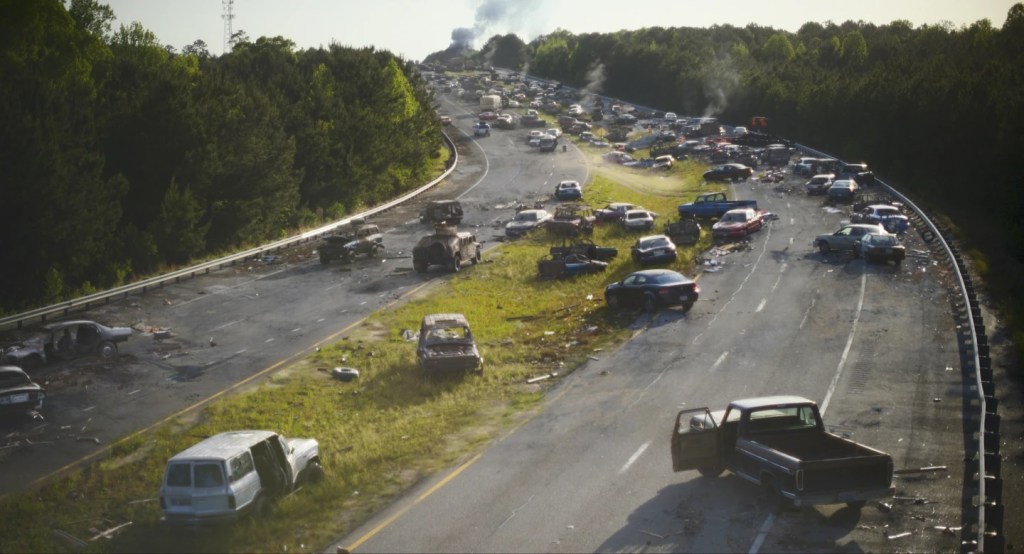
By far my favourite film released in cinemas this year was Civil War (Alex Garland, 2024). While it confused mainstream viewers who expected a postapocalyptic action adventure, the totally sober approach to a plausible breakdown of society pushed all my buttons. I loved the passivity of the journalist protagonists, I loved the non-specific, non-partisan background to the conflict. And I loved the soundtrack, particular the early double-whammy of ‘Lovefingers’ by Silver Apples and ‘Rocket USA’ by Suicide, and the abrupt introduction of De La Soul’s ‘Say No Go’ to undermine an atrocity was one of my favourite moments in any film this year.

Another recent film I adored was The Beasts (Rodrigo Sorogoyen, 2022), a very adult and considered drama about a French couple far out of their depth in the Galician countryside in Spain. The tension is taut throughout, and I loved every minute of its long running time.

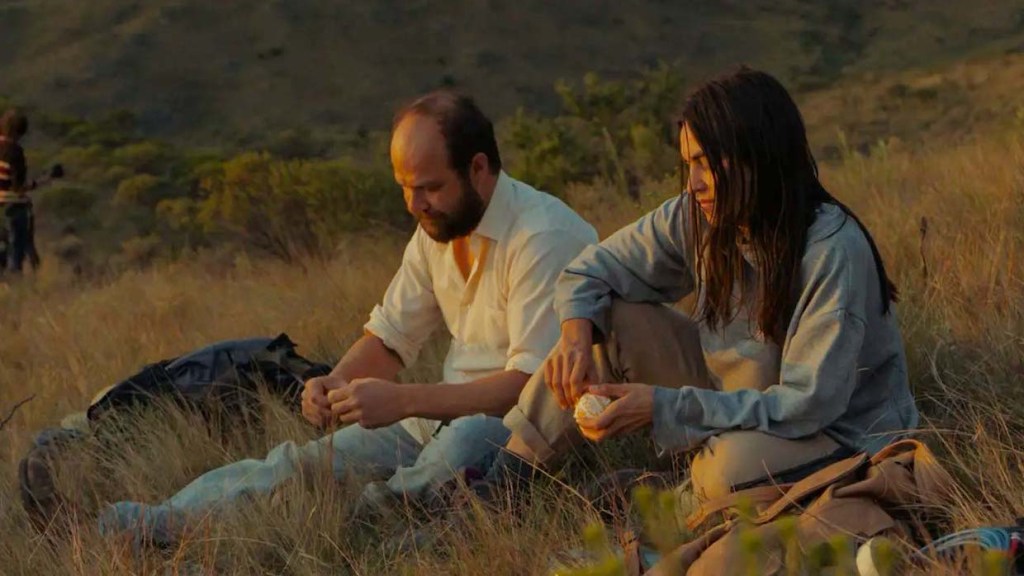
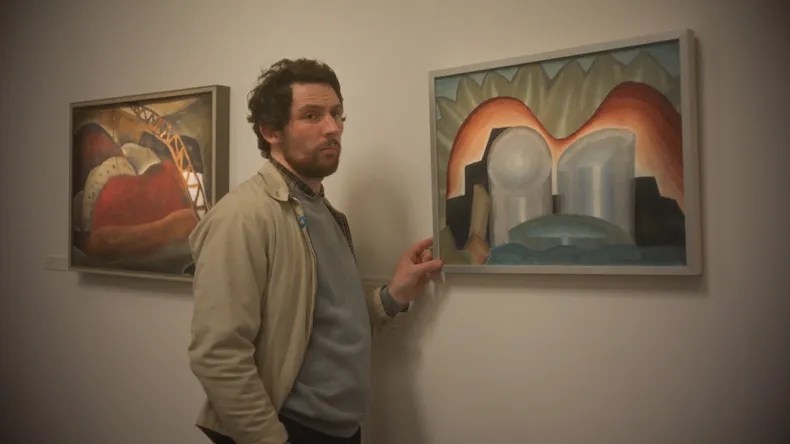
I loved Love Lies Bleeding (Rose Glass, 2024), a more garish film than Rose Glass’s previous one, Saint Maud, and a lot more fun, though equally squeamish. I really liked Challengers (Luca Guadagnino, 2024), which continues Luca Guadagnino’s stellar run of successes while maintaining arthouse complexity. La Chimera (Alice Rohrwacher, 2023), also starring Challengers’ Josh O’Connor, is an oddball delight, and it’s the film I’ve recommended to others most often this year. All of Us Strangers (Andrew Haigh, 2023) may turn out to be less of a puzzle box than it appears to be, but Andrew Scott and Paul Mescal are both excellent. Similarly fantasy-adjacent and reliant on a strong lead is The Five Devils (Léa Mysius, 2022), which is as watchable as it is due to the presence of the amazing Adèle Exarchopoulos. Hoard (Luna Carmoon, 2023) is the sort of straightforwardly excellent and downbeat British drama that people claim aren’t being made nowadays. The Zone of Interest (Jonathan Glazer, 2023) is as compelling as I’d hoped it would be, and likely to be more memorable than any other film listed here, but unlike Glazer’s other films I’m unlikely to watch it again.

Alongside Civil War, my favourite blockbusters were The Three Musketeers: D’Artagnan (Martin Bourboulon, 2023) and Kingdom of the Planet of the Apes (Wes Ball, 2024), particularly the early non-plot-related scenes of ape society.

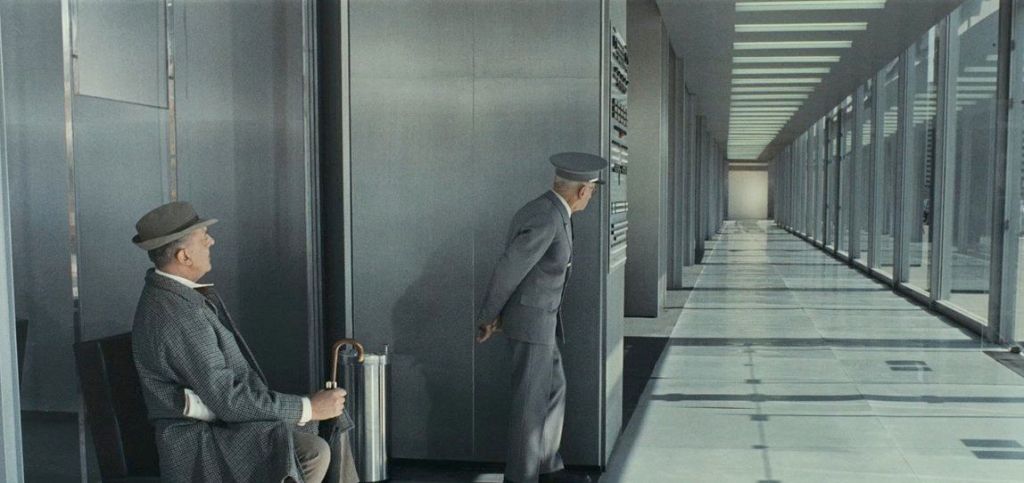
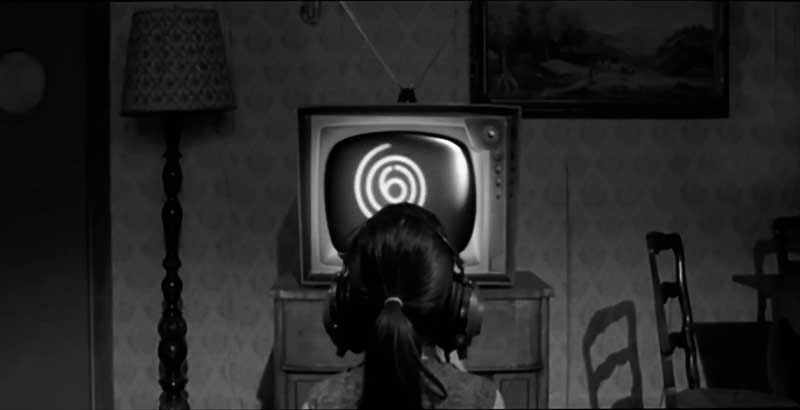
As for slightly older 21st-century films, the one that’s stuck with me is Holiday (Isabella Eklöf, 2018) which I believe was quite controversial upon reliease, and it really is repellent, but constantly thought-provoking. I finally watched It Follows (David Robert Mitchell, 2015) on the recommendation of several writer friends, and I liked it very much, though like many modern horror films the final act doesn’t hold up too well. Another film I’ve been meaning to watch for years is La Antena (Esteban Sapir, 2007), which is far more wondrous and inventive than I’d imagined. I loved two films with similarly rambling, Twin Peaks-lite tone: Under the Silver Lake (David Robert Mitchell, 2018) and The Kid Detective (Evan Morgan, 2020). My favourite family film was Marcel the Shell with Shoes On (Dean Fleischer Camp, 2021).

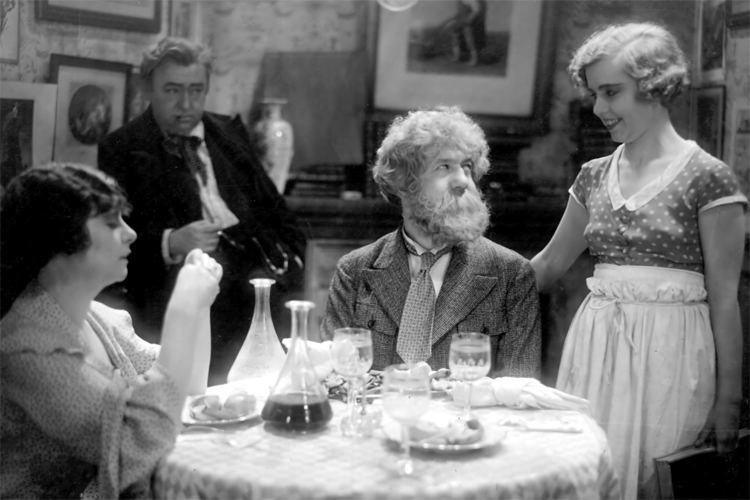
I’m a little ashamed that I haven’t delved very deeply into cinematic history this year. Boudu Saved from Drowning (Jean Renoir, 1932) was the most affecting and humanistic film I watched, and I’m certain I’ll watch it again before long. Another film I considered a known quantity and was surprised by was Sweet Smell of Success (Alexander Mackendrick, 1957), which is far more snide and funny than I’d anticipated.

Other films I ticked off the list included the bitter classics The Draughtsman’s Contract (Peter Greenaway, 1982) and Naked (Mike Leigh, 1993. Kes (Ken Loach, 1969) was far less about a kestrel than I’d expected, and far more about the school system, and Kramer vs. Kramer (Robert Benton, 1979) was a great deal less saccharine than I’d supposed, though it was undermined when my wife and I noticed that method actor Dustin Hoffman contrives to pick up and play with a prop in every scene. My most pleasing archive discovery this year was Full Circle: The Haunting of Julia (Richard Loncraine, 1977), an effective, low-budget ghost story starring Mia Farrow that deserves to be better known than it is.

TV

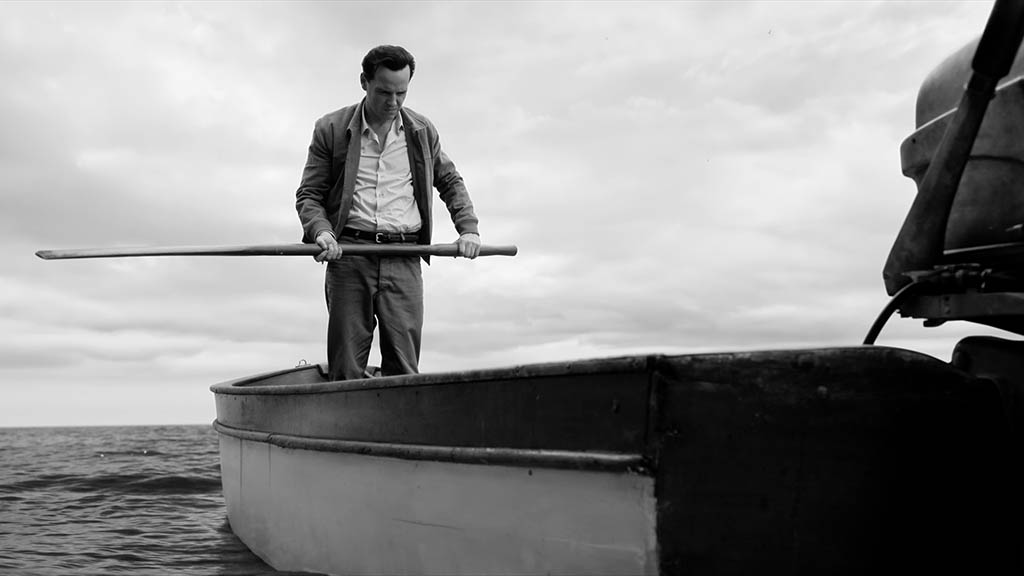
I adored Ripley, the adaptation of Patricia Highsmith’s The Talented Mr Ripley. While some elements were a little off (Andrew Scott’s age, Johnny Flynn’s lack of charisma), the show came into its own after the central murder, when screenwriter Steven Zaillian was able to increase the tension to an unbearable level. And the whole production looked gorgeous. It’s a real shame it’s unlikely to be recommissioned, as I’d love to have seen an adaptation of Ripley’s Game with the same cast and crew.

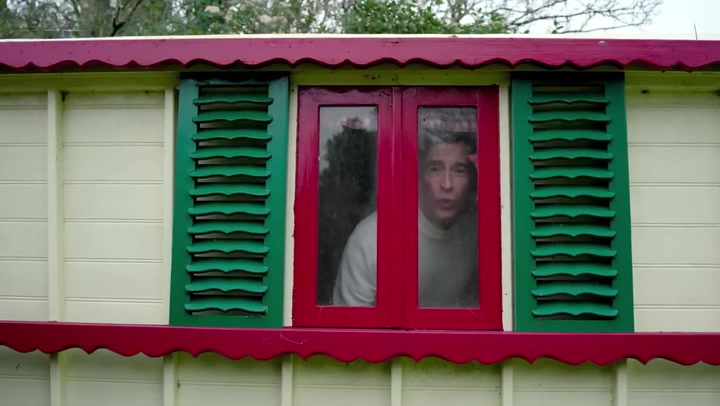
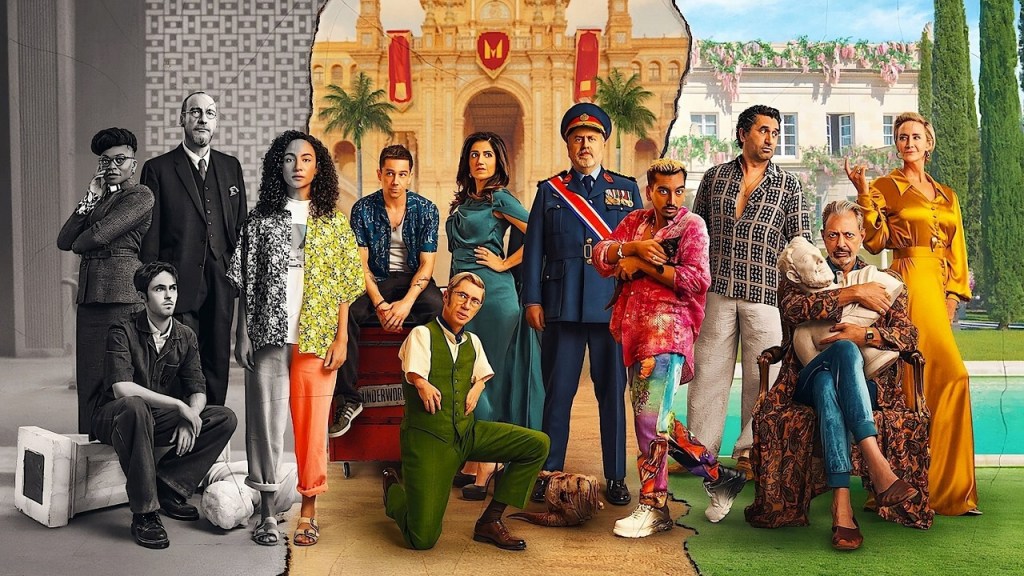
Another show that was bittersweet due to prompt cancellation was Kaos, which hewed far more faithfully to Greek mythology than I’d imagined, while stretching and humanising the stories to suit modern TV tastes. The fifth season of Fargo was the best since the first couple, with a simpler tale of a woman on the run which often had me genuinely on the edge of my seat. My guiltiest pleasure was watching both seasons of Outlast, a survival reality TV show which encouraged amoral behaviour in its contestants. My favourite comedy shows were both second seasons: How to With John Wilson and Colin From Accounts, both of which were almost as wonderful as their first seasons.

Videogames

My favourite videogame was one I played only at the very end of the year: Dragons Dogma 2. It’s the most likeable open-world game I’ve played since Assassins Creed: Odyssey, but the fact that it’s considerably less bloated gives it extra points. Travelling with a party of AI followers is jolly rather than frustrating, and the giant enemies and emergent gameplay are out of this world, with ogres and harpies and dragons wrestling and often ignoring the player entirely. The Gigantus sequence, in which you’re tasked with preventing a giant stone statue from trudging out of the sea and destroying a city, is like an interactive Ray Harryhausen film – which, now that I think about it, is exactly what I want out of a game like this.

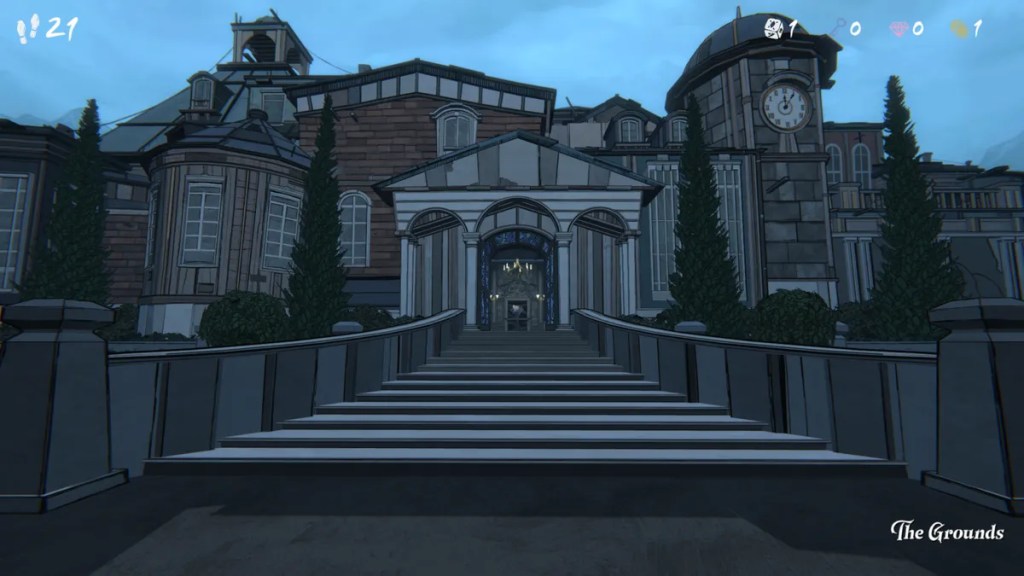
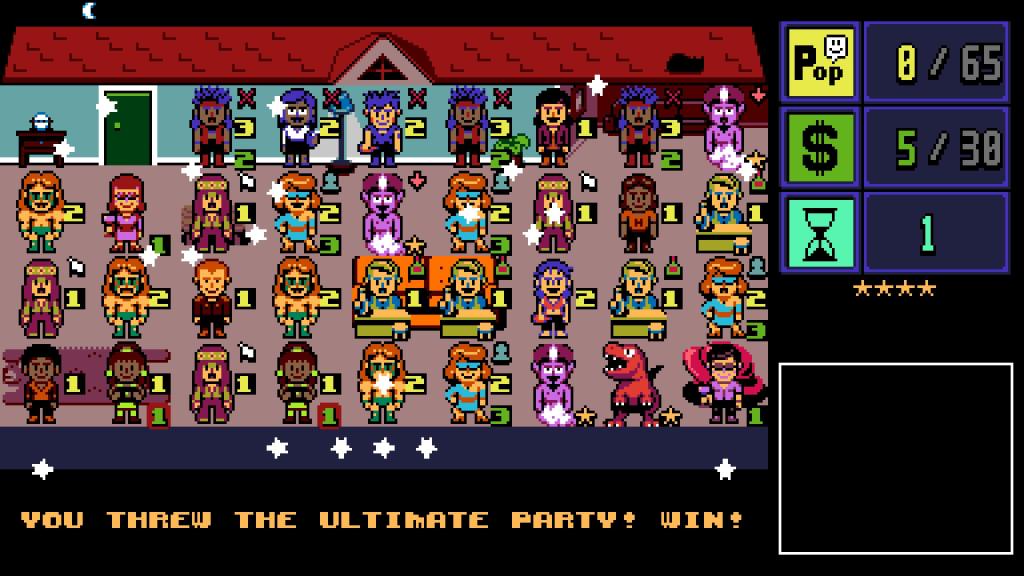
The other games I particularly enjoyed this year were relatively small ones. Prince of Persia: The Lost Crown is a cheerful Metroidvania that knows when to stop, with the result that I’ve played it three times over. Animal Well is similarly short, though markedly less sweet, and its pixel graphics are wonderfully eerie. I loved the quasi-retro minigame collection UFO 50, though actually I’ve only unlocked a handful of the games because I became obsessed with Party House and stopped there. I’m currently playing Rise of the Golden Idol, which is as good as the first game in the series and which features puzzles that make you feel insanely clever when you solve them.

Favourite films, TV and videogames of 2023

Films

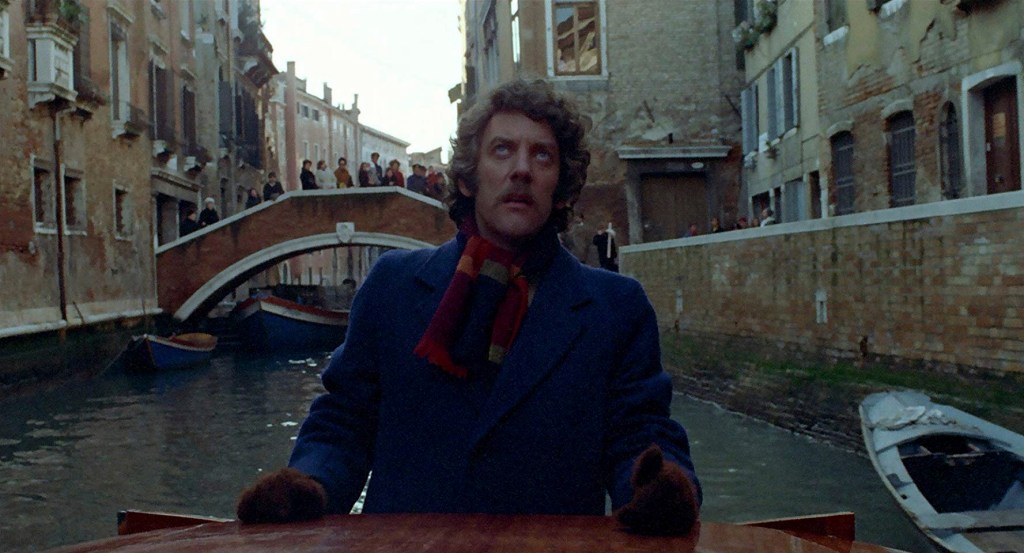
Other than family films, I saw only two films in the cinema this year, and one of them was a fifty-year-old classic. But all the same, my film of the year is the rereleased Don’t Look Now (Nicholas Roeg, 1973). For superstitious reasons I’d avoided watching it until now since becoming a parent, but in my current phase of life and on the big screen it had an even greater impact on me than ever before.

My favourite film released recently was Aftersun (Charlotte Wells, 2022), which I found devastating, partly due to its quietness and obliqueness.

My biggest discovery is also a shameful admission – despite loving several David Lynch films and Twin Peaks, I’d never seen Eraserhead (1977). Now I have, and I found it nothing at all like I’d expected, being both funnier and more directly about something than I’d imagined.

Other films from 2022-23 that I loved included Iranian family road-trip drama Hit the Road (Panah Panahi, 2022), the overblown yet darkly funny Triangle of Sadness (Ruben Östlund, 2022), downbeat folk-horror Enys Men (Mark Jenkin, 2022), patiently building body horror Hatching (Hanna Bergholm, 2022), the surprisingly witty and auteurish, Benedict Cumberbatch-starring The Electrical Life of Louis Wain (Will Sharpe, 2022), and the equally surprising Roald Dahl adaptation The Rat Catcher (Wes Anderson, 2023).

And some more older films I watched for the first time this year and thoroughly enjoyed: tender documentary The Gleaners and I (Agnès Varda, 2000), complex family epic Yi Yi (Edward Yang, 2000), scuzzy realistic drama Moonlighting (Jerzy Skolimowski, 1982) and an excellent documentary about early electronic music, Sisters With Transistors (Lisa Rovner, 2020).

TV

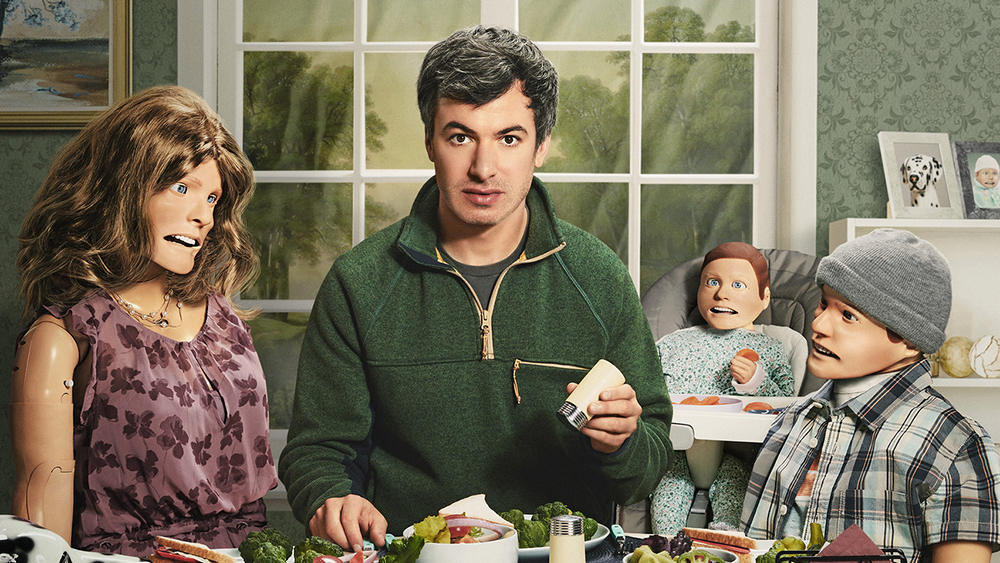
For me, there were three TV shows that stood above all the others this year. The first series of pro-kitchen-drama The Bear was a revelation in terms of confounding expectations scene by scene, and while the scale ramps up in the second series and characters’ obstacles became less unsurmountable, the beating heart and sometimes unbearable tension remains intact. Shane Meadows’ The Gallows Pole is a startling adaptation of Ben Myers’ terrific historical novel, its anachronistic music and rambling improvised dialogue adding to rather than diminishing its impact. The Rehearsal is the show I think about the most, due to its bleeding of reality-TV conventions and the increasing suspicion that it can’t be real. The fact that the narrative gradually becomes as absurd as it does without abandoning its conceit of being 100% real is frankly incredible.

Similarly woozy is comedy special A Whole Lifetime with Jamie Demetriou, a Lynchian approach to sketch comedy that I must rewatch soon. Succession ended well, and at the right time. Colin from Accounts was the warmest comedy I saw this year. And the TV offshoot from the excellent film also titled Boiling Point brings us all the way back to intense kitchen action.

Videogames

I bought a PS5 this year, having missed out on the previous generation, but the games I’ve enjoyed on it weren’t the AAA adventures or indie gems that I expected. The game that most impressed me is Returnal (Housemarque, 2021), a 3D action roguelike on a cosmic scale. Not only is its gameplay loop reminiscent of earlier Housemarque arcade classic Super Stardust HD, one aspect I particularly enjoyed was the conveying of story through incidental worldbuilding details, with barely any of the cutscenes that have made AAA franchises (e.g. God of War, Uncharted, Horizon) close to unbearable.

Another big surprise was revisiting the 2020 remake of Demon’s Souls (FromSoftware, 2009), a game I played just before abandoning gaming for a long while. Whereas I hit the wall hard in 2009, this time I persevered with a Royalty build, improved steadily, and to my astonishment beat the game. I followed this up with Elden Ring (FromSoftware, 2022), a bigger and far more beautiful game – and dedicated myself to it to finally beat it too, after 90 hours. Like Returnal, I appreciated its complex lore being conveyed through observation and very limited conversation rather than cutscenes.

The other games I loved were Dysmantle (10tons, 2020), a top-down post-apocalyptic scavenging game with a relatively calm gameplay loop, and Metroid Prime: Remastered (Retro Studios, 2023), still one of my all-time favourite games, and now looking and playing like I remember it looking and playing in 2002.

Favourite fiction of 2021

Films

I did go to the cinema once this year, a Tuesday matinee with my wife to avoid the crowd. We saw No Time to Die and it was fine. Far better recent films I saw at home this year were The Green Knight (David Lowery), especially the middle sequences with wandering giants, Mogul Mowgli (Bassam Tariq) featuring an amazing performance by Riz Ahmed, Black Bear (Lawrence Michael Levine) for its bloody-mindedness, Under the Tree (Hafsteinn Gunnar Sigurdsson) for its bleak comedy and Call Me By Your Name, which secures Luca Guadagnino as one of my favourite contemporary directors.

I watched a lot of older films in the first part of the year, probably as a means of keeping sane in the January lockdown. Since then, barely anything – who knows why. My most exciting discoveries were the wonderfully tense The Servant (Joseph Losey, 1961) and Peeping Tom (Michael Powell, 1960), the excellent double-bill of carnival horrors The Unholy Three (Tod Browning, 1925) and He Who Gets Slapped (Victor Sjöström, 1924), the stone-cold classic Orphée (Jean Cocteau, 1950), the deeply subversive duo of Billy Liar (John Schlesinger, 1963) and The Naked Kiss (Samuel Fuller, 1964) and the surprisingly affecting South Pole expedition documentary The Great White Silence (Herbert Ponting, 1924).

Books

In terms of recent novels, my favourite isn’t available or even announced yet, as I read it as a beta reader. I’d hope it’ll be snapped up by a publisher soon and you can all enjoy it. My favourite recently-actually-published novels were the dazzling The Glass Hotel by Emily St John Mandel and Piranesi by Susanna Clarke. I also loved Hello Friend We Missed You by Richard Owain Roberts. My favourite recent SF novels were Amatka by Karin Tidbeck and The Employees: A Workplace Novel of the 22nd Century by Olga Ravn. The two collections I most enjoyed were both published in 2021 and were written by two of my favourite modern novelists: The Art of Space Travel, and other stories by Nina Allan and From the Neck Up, and other stories by Aliya Whiteley. Most of my non-fiction reading was related to my own projects, but of the others my favourite was Writing the Uncanny, a series of entertaining essays by some of the best current writers of the weird, edited by Dan Coxon.

Going back a little further, this year I discovered the work of Tom McCarthy, beginning with the incredible Remainder (2005) and then, neatly tying to having introduced my own children to Tintin, his non-fiction Tintin and the Secret of Literature (2006). The other 21st-century novel I most enjoyed was The Last Samurai by Helen DeWitt (2000), an absolute triumph in structural terms.

I read a lot of locked-room mysteries this year – odd, given that we were all in lockdown ourselves – my favourites being The Case of the Constant Suicides by John Dickson Carr (1941), The Red House Mystery by A. A. Milne (1922) and An English Murder by Cyril Hare (1951).

I also read a fair amount of 19th-century fiction, including lots of Robert Louis Stevenson, kicking off with the wonderful anthology of his work selected by Adolfo Bioy Casares and Jorge Luis Borges in the 1960s. This led me to Stevenson’s Fables (1896), now one of my favourite story collections.

Other novels I loved this year were the heartless Laughter in the Dark by Vladimir Nabokov (1932), the far more humane Cold Spring Harbor by Richard Yates (1986) and the wonderfully overflowing What a Carve Up! by Jonathan Coe (1994).

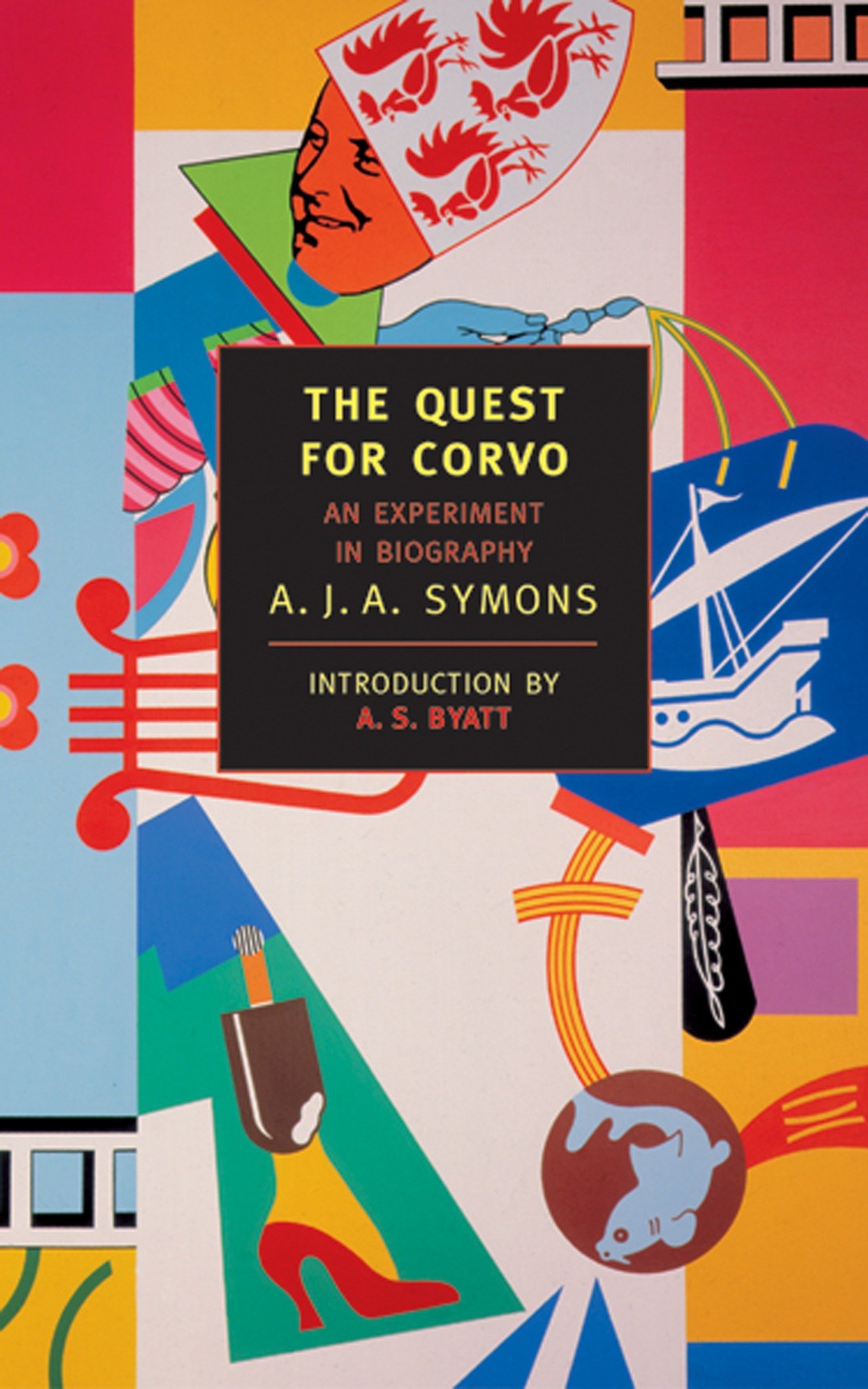
My favourite non-fiction book I read this year was also the book I most enjoyed overall: The Quest for Corvo by AJA Symons (1934), detailing the life of an unscrupulous author but structured like a detective novel, and one of the least classifiable and most compelling books I’ve ever read.

TV

Was there good TV in 2021? I’m sure there was, but for the most part, the tension in the real world left my wife and I unable to face anything particularly gritty, or suspenseful, or long. We watched a lot of Taskmaster. I loved the third series of Stath Lets Flats. I thought that Together was a necessary and uncompromising overview of the early lockdown. I liked Lupin and Call My Agent! and His Dark Materials and This Time… with Alan Partridge and Frank of Ireland. The best TV show was obviously Succession, one of the funniest TV programmes this century.

Games

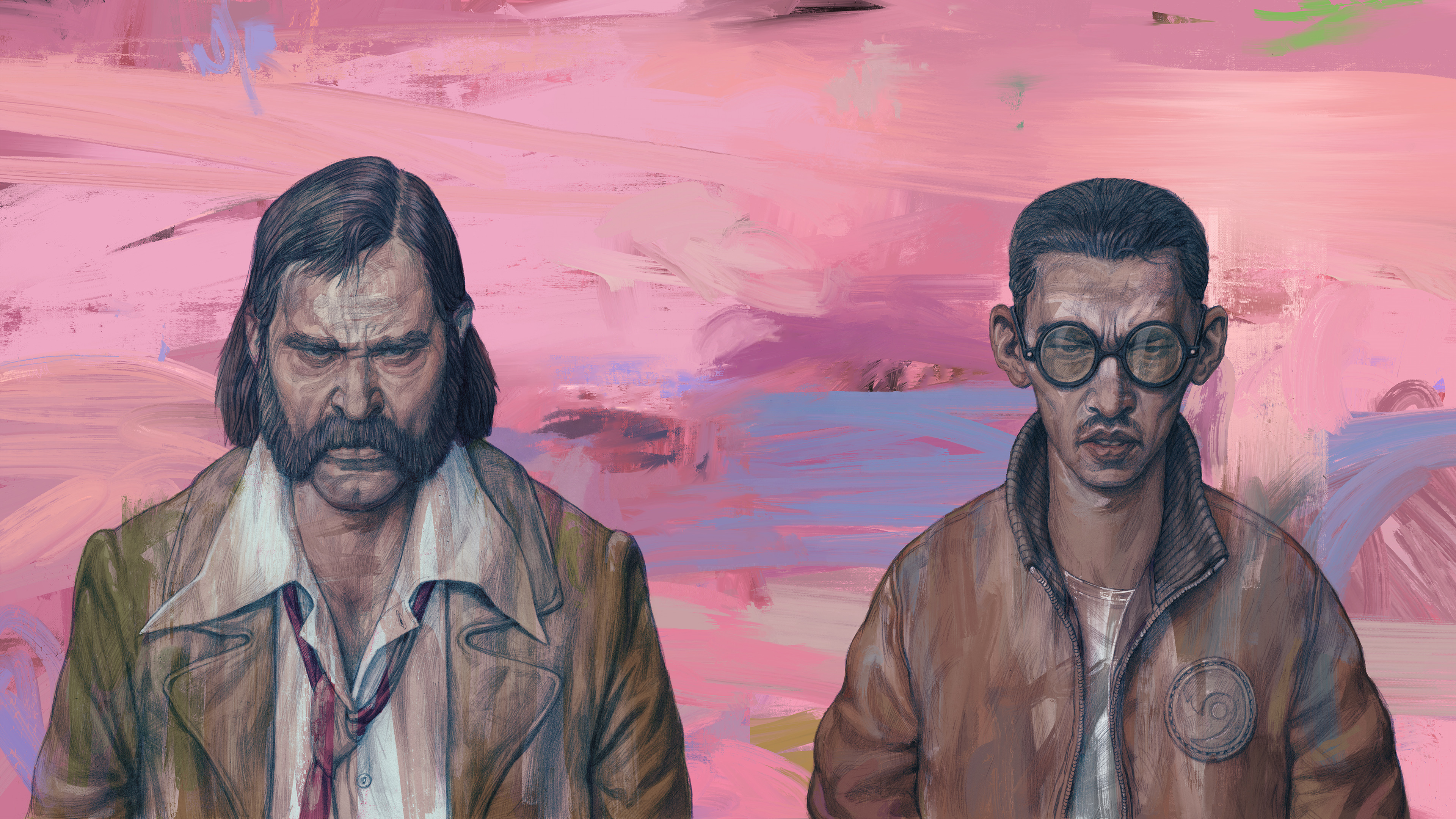
In gaming terms, this year has been characterised by compulsive playing in order to block out the world. The games that achieved this most successfully for me were both roguelikes: deck-builder Slay the Spire, and the hard-as-nails sidescroller Dead Cells, though Civilization VI has threatened to topple them both since I started playing it this month. Both Her Story and Orwell provided a sense of almost-real surveillance, and while I was terrible at it, Return of the Obra Dinn provided the most satisfying actual deduction. The most immersive storytelling was in the astounding Disco Elysium, which I’ve played through twice. I surprised myself by getting back into platform gaming via Ori and the Blind Forest and Ori and the Will of the Wisps, and thoroughly enjoyed playing Creaks with my sons. Two of my favourite puzzle games were Hexcells and Escape Simulator, the former satisfyingly clean and abstract, the latter almost capturing the feel of real-life escape rooms, with a thriving community scene creating new levels all the time.

Favourite fiction of 2020

Films

The Lighthouse

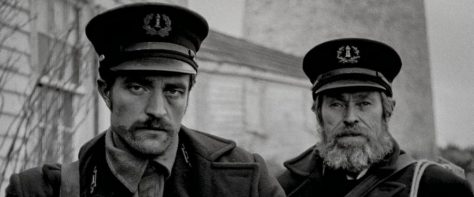
Like everyone else this year, I saw very little at the cinema in 2020. My favourite of the few films I saw was the wild, disturbing ride The Lighthouse (Robert Eggers), partly because it’s been my lingering memory of what it’s like to watch a great film in the cinema, booming foghorns and all – and I loved the alienating square aspect ratio. Portrait of a Lady on Fire (Céline Sciamma) was no less an intense depiction of people trapped together, and, equally, Parasite (Bong Joon Ho) contained foreshadowing of lockdown and a lack of fresh air. Steve McQueen’s films from his Small Axe TV anthology series were no less rich and rewarding than his cinema fare. The first two, Mangrove and Lovers Rock, were outstanding – particularly the dazzling choreography and soundtrack of the latter. On a similar note, the short film Strasbourg 1518 (Jonathan Glazer) is entirely choreographed dance, and was the most alarming film of 2020 that I saw.

The SouvenirOf more recent films (i.e. from the last decade), my absolute favourite was The Souvenir (Joanna Hogg, 2019), which I couldn’t stop thinking about for all sorts of reasons, and the knowledge that there’s an upcoming second part is tantalising. Bait (Mark Jenkin, 2019) was delightful in all respects, the best film about film that I’ve seen for a while. I found Pain and Glory (Pedro Almodovar, 2019) surprisingly affecting, particularly Antonio Banderas’ performance. The Personal History of David Copperfield (Armando Iannucci,  2019) was the most fun I’ve had with a recent film, in part due to the pleasure of spotting favourite TV character actors. I loved Aniara (Pella Kågerman & Hugo Lilja, 2018) – exactly my sort of setup, about a Mars migration that turns into an endless voyage – the intertitles signalling greater and greater timescales alone were powerful. And though I loved A Bigger Splash (Luca Guadagnino, 2015) in every respect, Ralph Fiennes’ creepy dancing remains its most memorable moment.
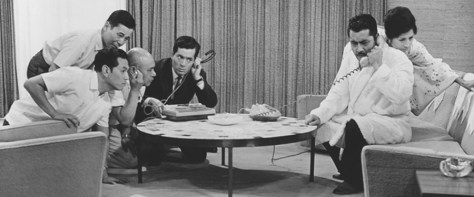
High and LowI watched a lot of classic films this year, partly as a response to lockdown, but also partly because I’ve developed new habits: I no longer fret about not finishing a film in a single session, and I’ve been watching them via BFI Player and MUBI on my (admittedly large-screened) phone, often starting at 5.30am after being woken by my youngest son. Watching films like this, with chunky headphones, in bed in the dark, has been the closest simulation of a cinema setting.

One of my biggest ‘discoveries’ this year was the wider work on Akira Kurosawa, in particular The Hidden Fortress (1958), Yojimbo (1961) and High and Low (1963), all of which rank as some of the best films I’ve seen this year. I finally watched, and loved, the long version of Fanny and Alexander (Ingmar Bergman, 1982), but surprised myself by enjoying Smiles of a Summer Night (Ingmar Bergman, 1955) equally as much. Other classic films I watched for the first time and adored included La Strada (Federico Fellini, 1954), Rome, Open City (Roberto Rossellini, 1945) and The Battle of Algiers (Gillo Pontecorvo, 1966), all stunning. I was blown away by Tartuffe (F. W. Murnau, 1925), particularly its framing story and metatextual elements. Two of my favourite finds were Cairo Station (Youssef Chahine, 1958) and Intimate Lighting (Ivan Passer, 1965), and I adored the ‘fake news’ docudramas Punishment Park (Peter Watkins, 1971) and the lesser-known Alternative 3 (Christopher Miles, 1977). For tense pulp thrills, my favourite films were the incomparable Night Tide (Curtis Harrington, 1961), the near-perfect thriller Breakdown (Jonathan Mostow, 1997) and the fantastical short film Quest (Saul Bass, 1984), included on the recent Phase IV bluray. My favourite horror film this year was the woozy masterpiece The White Reindeer (Erik Blomberg, 1952).

Books

The Easter ParadeMy immediate response to the announcement of the first lockdown was to panic-read substantial classic novels I’d always intended to read. Middlemarch (George Eliot, 1872) worked as intended: I found it totally absorbing and entirely reassuring. I suspect that Candide (Voltaire, 1759), Mrs Dalloway (Virginia Woolf, 1925) and Lanark (Alasdair Gray, 1981) and The Third Policeman (Flann O’Brien, 1967) will each be influential on my own writing in the coming years. My favourite horror novel was Thérèse Raquin (Émile Zola, 1867), which packed a punch partly because I didn’t realise it was going to be a horror novel. My most important reading discoveries in 2020 were the novels of Richard Yates, my favourites so far being The Easter Parade (1976) and Revolutionary Road (1961), the latter being as great a Great American Novel as The Great Gatsby. My most exciting discovery of 2020 was the Jorge Luis Borges-endorsed, proto-SF novella The Invention of Morel (Adolfo Bioy Casares, 1940).

A Cosmology of MonstersIn terms of more recent works, my favourites were A Cosmology of Monsters (Shaun Hamill, 2019), which has one of the most absorbing first chapters of any book I’ve read, Annihilation (Jeff VanderMeer, 2014) which I can’t believe it took me so long to get around to reading, and The Wall (John Lanchester, 2019) which made me seethe with envy. I read a lot of non-fiction for writing research purposes, but the factual books I enjoyed most for ‘fun’ were High Static, Dead Lines: Sonic Spectres & the Object Hereafter by Kristen Gallerneaux (2018) and Deep Fakes and the Infocalypse: What You Urgently Need To Know (Nina Schick, 2020).

TV

SuccessionIt’s been a great year for TV drama. My wife and I binged both series of the hysterical (in all senses) Succession, I was entirely won over by the calm pace of Normal People, and the decidedly more frenetic I May Destroy You seemed to redefine the possibilities of TV drama with every episode. Staged was an impressively comprehensive and complex response to the first coronavirus lockdown, and was very funny to boot. Upright was the TV show that most upset me, offset by all the tremendous joy, and was probably my favourite TV show of the year. Armando Iannucci’s space workplace comedy Avenue 5 turned out to be far better than expected, and I hope there’ll be more to come. The most exhilarating TV I saw this year was World’s Toughest Race: Eco-Challenge Fiji, closely followed by the meticulous, gorgeous and subversive Anaïs Nin adaptation Little Birds. And, likeeveryone else, I thought The Queen’s Gambit was staggeringly good all round.

Games

FirewatchAfter around eight years without videogames, purchasing a half-decent laptop this autumn has allowed me to dabble in games I’ve missed in the interim period, though anything particularly open-world or particularly recent stutters like crazy – for which I’m grateful, as I’m terrified of losing too much time to gaming at the expense of work. Still, I managed to work through Portal-esque puzzle game The Talos Principle (2014), Tomb Raider (2013) and Rise of the Tomb Raider (2015) (the latter better than the first in the new trilogy but representing an almost unsurmountable graphical challenge for my PC). I enjoyed Sherlock Holmes: Crimes and Punishments (2014) far more than expected, appreciating the slow pace. I admired a huge amount of What Remains of Edith Finch (2017), which as well as providing a compelling story, acted as a showcase for the possibilities of videogames – particularly the scene involving slicing the heads off fish on a production line whilst simultaneously guiding a prince around a kingdom whilst also learning about the fragile mental health of the factory worker in question. But the only game that I truly loved was Firewatch (2016), in which the player fulfils a patient role as a lookout in a Wyoming forest, whilst developing a relationship with your supervisor over walkie-talkie. The landscape is stunning, the nudges along the path of the narrative subtle, and the story is deeply affecting, perhaps partly because the game is over within three hours or so.
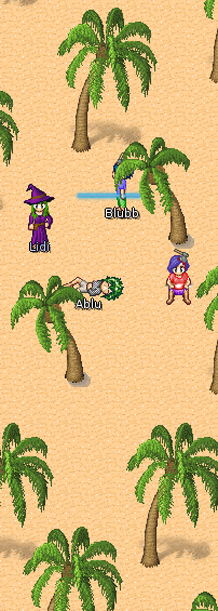
Gaming and subcultures in Little Brother

MMORPG 2In Little Brother, Cory Doctorow demonstrates that social gaming communities can give rise to independent subcultures.

At the start of the novel, Marcus Yallow and his friends take part in an alternate reality game (ARG), Harajuku Fun Madness. The game involves clues hidden around major cities, forming a overlaid network over ordinary society. The ARG foreshadows events later in the book, where Marcus’s resistance network must remain hidden whilst still interacting with society.

Similarly, Marcus has experience of live action role-playing games (LARPs). Again, his experience involved playing the games in public, therefore producing a gaming layer over everyday life. Importantly, these LARPs involved dressing as vampires, linked to goth subcultures at the fringes of society. Marcus uses his knowledge of ARGs and LARPs to stage the politically-motivated gathering at the end of the novel.

With the internet monitored by the Department of Homeland Security (DHS), Marcus uses a modified Xbox console to communicate with his peers. Significantly, the hardware is designed for gaming, now adapted for political use. Large corporations are symbolically aligned with the DHS, as the teenagers use Microsoft’s hardware for unauthorised purposes.

The Xnet itself is similar to chatrooms and forums that surround internet gaming culture. The massively multiplayer online role-playing game (MMORPG), Clockwork Plunder, becomes less a game and more a legitimate social space for Xnetters to congregate, eventually becoming the home of the Xnet’s first press conference.

All of these examples are social activities that began as gaming experiences, adapted by Marcus and his friends for political means. Eventually, the situation is reversed: new game-like experiences arise from purely political activities. When Marcus meets the young teens Nate and Liam, he sees that they treat ‘jamming’ as an ARG, albeit one of which their victims are unaware.

In this way, Doctorow demonstrates that social subcultures and political movements can easily become merged, feeding into one another.

Submitted to Coursera as essay 10 for Fantasy and Science Fiction: The Human Mind, Our Modern World.
Coursera peer grade: Form 2 / Content 2

Image from Invertika / Wikimedia Commons

Videogames I played in 2010 – retail games

2010 was a year in which I noticed a change in my attitude to videogames: I became more interested in the principles and mechanics behind videogames rather than particular titles themselves. Increasingly, I used games as time-fillers, distractions and OCD tasks rather than as prime-time entertainment. Also, I completely tired of game narratives.
Here are some unordered thoughts about some boxed games I played last year:

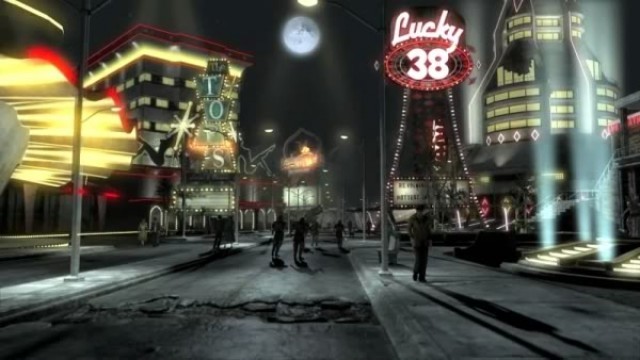
Fallout New Vegas (Obsidian Entertainment)
I love Fallout 3. I love it to bits. I’ve played through the mammoth story three times, to the concern of my girlfriend. Ropey textures: fine. Bugs and glitches: no problem. VATS targeting system: A-OK. So why does New Vegas, with an identical engine, feel so off?
The locations are part of the problem. Fallout 3 had some amazing central locations, including Megaton, the Jefferson Memorial and the Museum of Technology, each of which felt distinct and full of specific perils. New Vegas feels disconnected and even the Vegas Strip itself seemed bare. I’d expected each of the hotels to be rich with detail, but they felt like a slog. I also spent frustrating sessions trying in vain to climb mountains that were stubbornly inaccessible, ruining the open world vibe.
I think I’ll mainly have to chalk it up to fatigue, though. While I’d be happy to explore the familiar world of Fallout 3 again, New Vegas felt like an oddly vague callback.

Demon’s Souls (From Software)
As many reviewers have noted, this is a stubbornly cruel but wonderful game. However, after two months of irregular play, I finally hit the wall – I think I’d need to dedicate an unreasonable amount of time to progress much further. Despite (or perhaps as a result of) the difficulty, you’re never in doubt that the game is beatable, if only you STOP MAKING STUPID MOVES. The most fun I had were in the early levels, before the structure of the game is made apparent. I spent hours creeping around corners, shield raised, terrified of whatever might spring out from darkened corners. To learn all the nooks and crannies and later play those same levels with supreme confidence felt wonderful.
Also, Demon’s Souls contains a pleasing absence of story. I am fighting skeletons and demons because they are there. That is all.

Assassin’s Creed: Brotherhood (Ubisoft)
I’ve already reviewed this game in an earlier post. Amazingly, I rarely felt lethargic playing this title, and even the cutscenes and nonsense plot held my attention.

Batman: Arkham Asylum (Rocksteady Studios)
This game was understandably adored last year. It captures the mood of the comics well and the combat is satisfying. My attitude to the main story was so-so: it was what it was. But the game came alive for me during the optional hunt for secrets scattered about the open world. This, I think, says something about my gaming type. I’m aware that most of the games I become most engrossed in are those that fuel my collector / OCD impulses.

Heavy Rain (Quantic Dream)
I got to the party scene and my save game became corrupted, losing my progress. I’ll play this again, but I’m saving my reactions until I’ve finished a full playthrough. For the record: more like this, please.

Borderlands (Gearbox)
Seriously, stop it. Another lengthy, humdrum game enlivened by collector fixation. Mostly, I appreciated the absence of cutscenes or explanation, but the bulk of the game did rather boil down to collecting and upgrading weapons. But – Krom’s Canyon was probably the most enjoyable single bit of level design I played this year.

The rest of the boxed titles I played in 2010 (Prince of Persia: The Forgotten Sands, Split Second, Modern Warfare 2, Lego Harry Potter Years 1-4, Sports Champions, New Super Mario Bros Wii) were just, you know, fine.

So, conclusions… well, reading this list makes me sigh. I feel I’ve misused videogames in 2010 and turned some top-grade entertainment into simple fetch quests. The notion of fun doesn’t really enter into my experiences of most of the above titles – rather, I played most of them as a furrowed-brow distraction technique in place of doing things I really ought to be getting along with. I’m unsure whether this is partly down to the collection of often generic titles – many of them feel like polished versions of older games – or whether I’m starting to lose the love.

Assassin’s Creed: Brotherhood (Ubisoft)

Far from the expansion pack that many expected, this is the definitive Assassin’s Creed game so far. It’s as beautiful as the series has always been, and the character animation is superb – but this time Ubisoft have layered dozens of game types on top of the basic quests. As many reviewers have noted, it’s easy to become happily waylaid in sidequests, en route to main story locations – in fact, this is the only game I can remember where I’ve begun to rinse the remaining sidequests immediately after completing the main story.
The city-building metagame, now presented as part of the open world rather than a discrete interface, appealed to my completionist tendencies and the effect on the game world was tangible. The brotherhood metagame, where you send fellow assassins on remote quests for loot rewards, was less successful. It’s all too easy to ignore the text descriptions of quests and to see assassins as resources to be apportioned out – I’d expect this element of the game to be improved in later sequels.

One of my biggest criticisms in the first AC game was that it encouraged lazy play rather than elaborately stealthy assassinations. Importantly, many of the key assassinations in this third title are framed in ways that invite imaginative approaches: by rooftop, from hidden positions within crowds, and using smoke bombs and poison to dispose of targets. Even though my occasional frustration led me to take the easy route at times, the introduction of a ‘100% sync’ bonus for completing a quest in a particular manner should ensure that I’ll be aiming to up my game later.

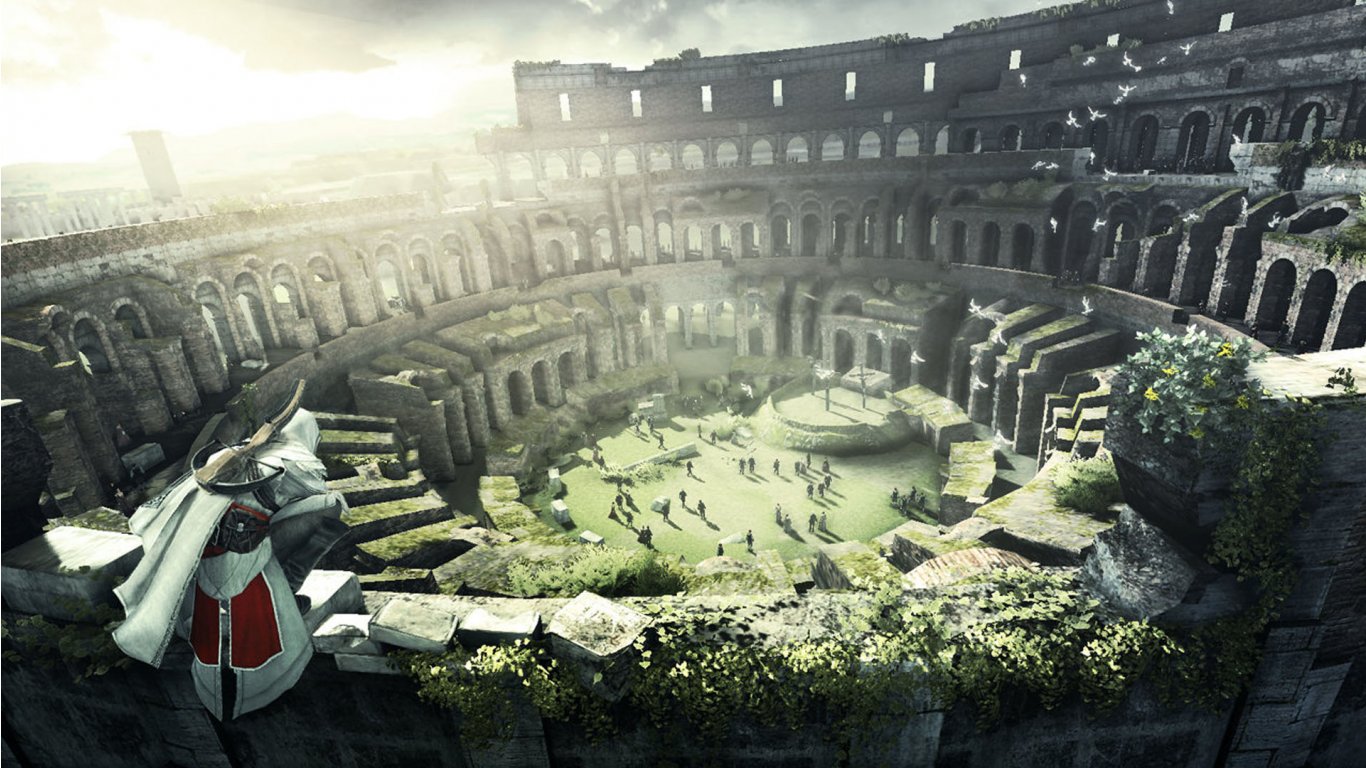
The story is, as always, tosh – at least, in terms of the nuts and bolts of dialogue, exposition and so on. But Brotherhood’s strongest narrative suit is the blending of the contemporary world (Desmond and his assassin-sympathising techies) and his ancestors’ memories. Leaping around Ezio’s mansion as modern-day Desmond was a strange thrill that’s far more affecting that anything contained in the script proper. Like many open world games, Brotherhood’s most enduring moments are non-scripted. My revelation was early in the game as I discovered the ruined Colosseum, clambered to the top of the one remaining full wall, and surveyed the glorious view.

Spoilers! Don’t read this paragraph if you’re planning to play the game.
There was, though, one story element that really surprised me. Ezio’s quest is to rescue Lucrezia Borge’s lover, Pietro Rossi: he’s taken the role of Jesus in a Passion play, but Cesare Borge has ordered Micheletto to stab and kill Rossi as an ‘accident’ during the rehearsal within the ruins of the Colosseum. As Ezio, the player steals and wears a Roman soldier costume and infiltrates the rehearsal, kills Micheletto and rescues Rossi, who has also been poisoned. Taking Rossi to a nearby doctor to be cured involves the player guiding this Roman soldier, as he carries a bloody and limp Jesus rescued from the cross, slowly out of the Colosseum. While, of course, both game characters are acting these parts, the image is striking. It’s one of those moments (like the Tibetan village scene in Uncharted 2) where the player is invited to dwell on the details with only a small amount of agency in the onscreen actions. It’s one of the most interesting scenes I’ve seen in a game all year and raises all sorts of questions about subject matter that could, one day, be addressed by videogames.

GetGlue is a foisting machine

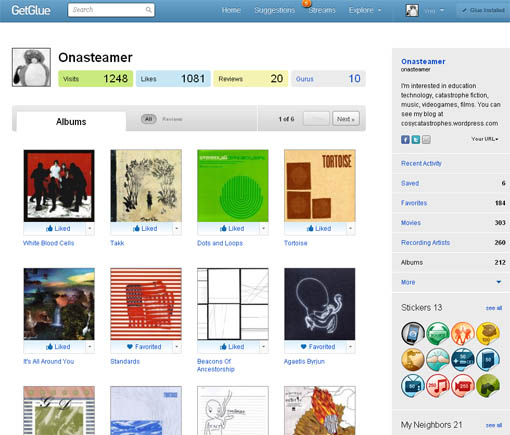
In the last week or so I’ve been playing around with GetGlue, a new recommendation and social networking site that covers all media (i.e. film, TV, books, music, general topics). After my abortive research into film recommendation sites – and I really should update my earlier post, as I ended up leaving Jinni in favour of Criticker, which still has plenty of failings – this feels like it could become the site for me.

There are several main draws to GetGlue. The first seems trivial but is central – you gain virtual stickers for various activities – for example, rating 50 TV shows. These stickers show up on user profiles, working as boasts similar to Xbox achievements. There are also mentions of becoming applicable to receive ‘hard-copy’ stickers for free, but this doesn’t seem to be the big sell.

The other USP is that GetGlue distinguishes between recommendations and ‘checking in’ – i.e. letting users know what you’re currently watching, reading, listening to or thinking about. This feature’s obviously inspired heavily by Facebook updates, and indeed you can publish each comment directly on Facebook (or Twitter) – you could actually use GetGlue as a portal for social-media updates related to your likes or dislikes.

Finally, and the feature that’s got me hooked, is the ability for users to become ‘gurus’ of particular subjects, achieved through posting reviews and users voting. Guru status bestows the user with page-editing privileges and also the ability to hardwire particular recommendations to that page. The temptation to foist obscure but related books, films and music onto casual browsers is huge, I’m discovering. I’m disproportionately proud to be guru of 10 things, currently: The Last Man on Earth, The Drums’ Summertime!, Dungen, Viktor Vaughn’s Vaudeville Villain, Lonnie Donegan, The Research, Casiotone for the Painfully Alone, Electrelane’s The Power Out, The Hired Sportsmen and 13 & God.

As with my earlier comparison post, here are my thoughts about GetGlue, distilled:

Pros:

  • Impressively wide catalogue due to links with specialist websites e.g. Last.fm and imdb
  • Ability to add to index from selected sites
  • Covers music, film, books, topics
  • Clean, clear interface
  • Guru status offers Wikipedia-like editing rights, plus ability to make recommendations
  • Stickers encourage exploration and are strangely compelling
  • Distinction between ‘checking in’ and liking things
  • There’s a linked iphone app
  • Links to Facebook and Twitter

Wishlist:

  • User profiles by default show a Facebook-like ‘stream’ rather than a definitive overview of that person (favourites are more enlightening but are buried away)
  • Favourites can’t be split into media type, so can become messy and unrepresentative
  • Can’t reorder favourites or lists
  • ‘Saved’ items could be made into more useful ‘to read’/’to watch’ lists, so could become a reminder tool
  • The iphone app only allows you to ‘check in’ rather than rate favourite items
  • Recommended items are literal-minded and uninspired (e.g. if you like an album by an artist, you’ll like other albums by the same artist), and only relate to a single item rather than a combination of items
  • Inability to add extra comments to a page once you’ve reviewed – even if you’re the guru
  • ‘Check in’ seems different to ‘currently reading’ etc – it’d be nice if user profiles could show media that the user is currently immersed in…
  • Only three tiers of rating: ‘favourite’, ‘like’ and ‘don’t like’ (perhaps, though, this is a ‘pro’, as it’s much lessy fussy than, say, Cricticker)
  • Can’t embed stream or favourites in non-Javascript blog (like this one)
  • Can’t easily browse recommendations – quite limited categories (e.g. 1970s)
  • This is entirely trivial, but I’d love to see the stickers feed into a meta-game or measureable tally of ‘progress’ – probably irrelevant for most people though!

You can see my GetGlue profile here.

Every Day the Same Dream (Paulo Pedercini, 2009)

I already posted about this game on my serious games blog, but it definitely bears repeating. Every Day the Same Dream is a beautiful independent game from Paolo Pedercini as an entry to the Experimental Gameplay Project. Illustrating the tedium of routine office work, the game allows few interactions – for example exchanging brief words with your indifferent wife, a homeless man, the elevator operator. You can only ‘win’ the game by searching out the few ways to break the routine of everyday working life. It’s bleak and often tedious – and it’s one of the most consistent and affecting games I’ve played in a long time.

See Paulo Pedercini’s website for links to his other works, including a machinima video about post-traumatic stress disorder filmed with the recruiting game America’s Army, and online games covering subjects such as the unethical practices of fast food corporations and child abuse by the Catholic clergy.