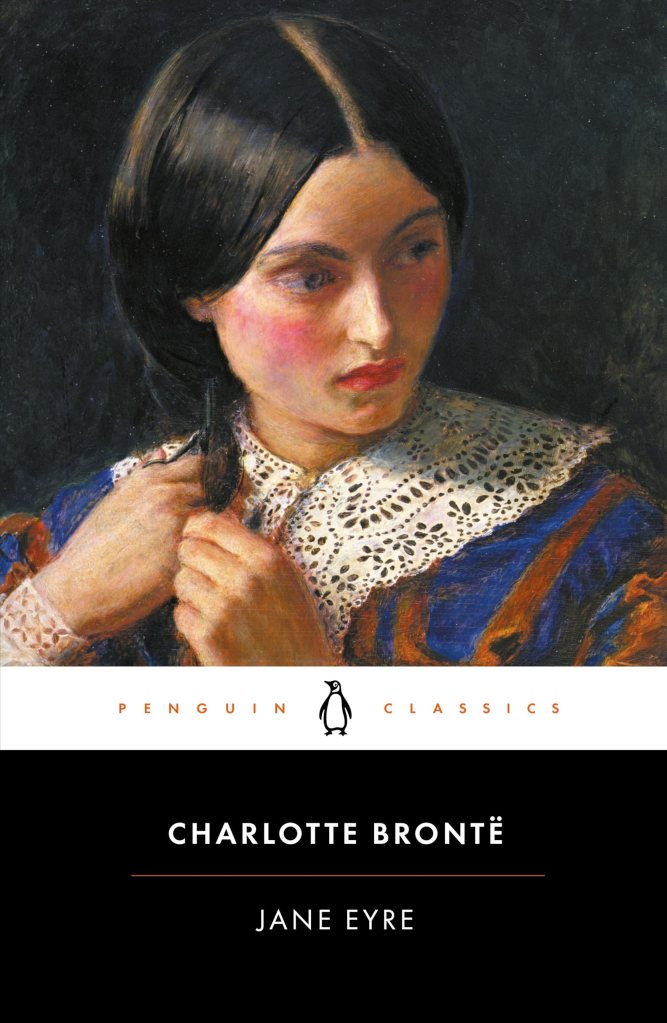
This year I got around to reading a number of books I’d always meant to read, and which, frankly, made me feel embarrassed about not having got around to reading. By far the best of these was Jane Eyre by Charlotte Brontë (1847), which had the capacity to surprise even though I knew the plot fairly well, and which I found totally absorbing throughout.
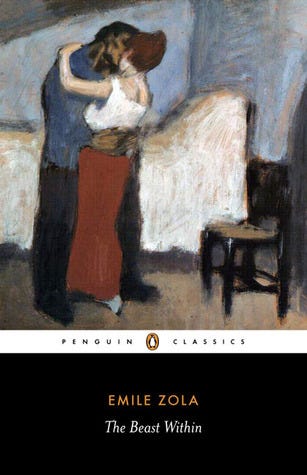
A more surprising favourite was The Beast Within (La Bête Humaine) by Emile Zola (1890). I’d already read and loved Zola’s Thérèse Raquin and assumed his other novels couldn’t possibly reach the bleak heights of that novel, but this one absolutely does, with grim setpieces that will stick in my mind. I’ll be searching out more Zola in 2026, I’m sure.
I approached the 1999 Seamus Heaney translation of Beowulf with caution, as I tend to struggle with verse, but I read it in a single sitting and was astounded at the impact of the poem, and the outright horror imagery.
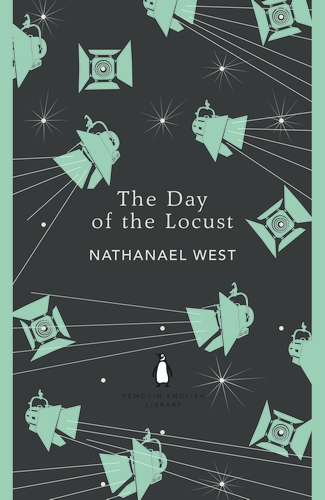
My final five-star novel I read this year was The Day of the Locust by Nathanael West (1939), a dour but funny tale of an artist lost in Hollywood.
Moby-Dick by Herman Melville (1851) was as excellent as I’d been told – I’ll confess I skim-read some of the whaling sequences, but I lingered over everything involving the characters themselves. Similarly, I found lots of dark humour in Hunger by Knut Hamsun (1890), though it certainly benefits from its short word count as the bleaker elements could overwhelm the reader. I adored Picnic at Hanging Rock by Joan Lindsay (1967), which is as satisfyingly weird as the film adaptation, and performs some really interesting tricks with viewpoint.
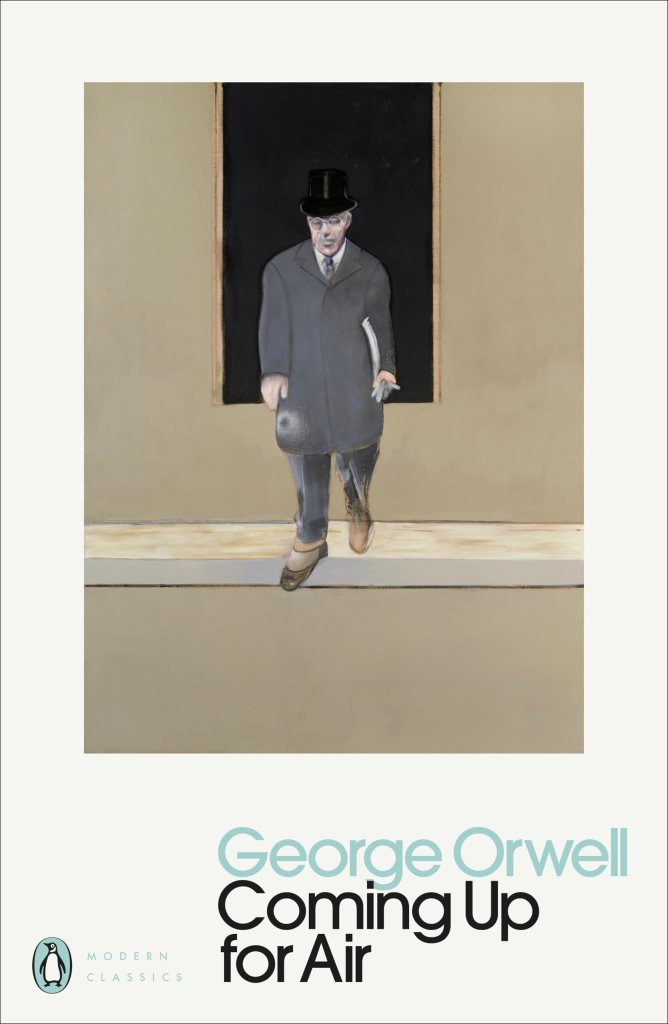
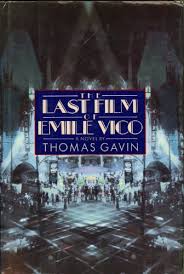

Books I admired rather than loved included time-travelling slavery drama Kindred by Octavia E. Butler (1979), down-to-earth Coming Up For Air by George Orwell (1939), pleasingly melodramatic Adolphe by Benjamin Constant (1816), wholehearted family epic Fathers and Sons by Ivan Turgenev (1862), frequently gripping A Tale of Two Cities by Charles Dickens (1859), Nabokovian thriller The Debt to Pleasure by John Lanchester (1996), beautifully snide Miss Lonelyhearts by Nathanael West (1933), viewpoint-undermining The Last Film of Emile Vico by Thomas Gavin (1986) and meandering but witty Lost for Words by Edward St Aubyn (2014).
I didn’t read much recent fiction this year, but my favourite was The Proof of My Innocence by Jonathan Coe (2024), which has the expected well-drawn characters and social commentary, but also the addition of a metafictional mystery plot that involves an outright cheat and yet remains deeply satisfying, which is an achievement no author can reasonably expect to pull off.
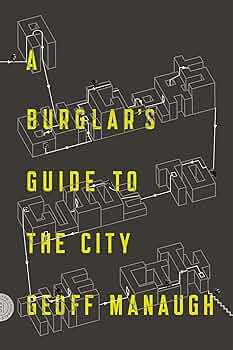

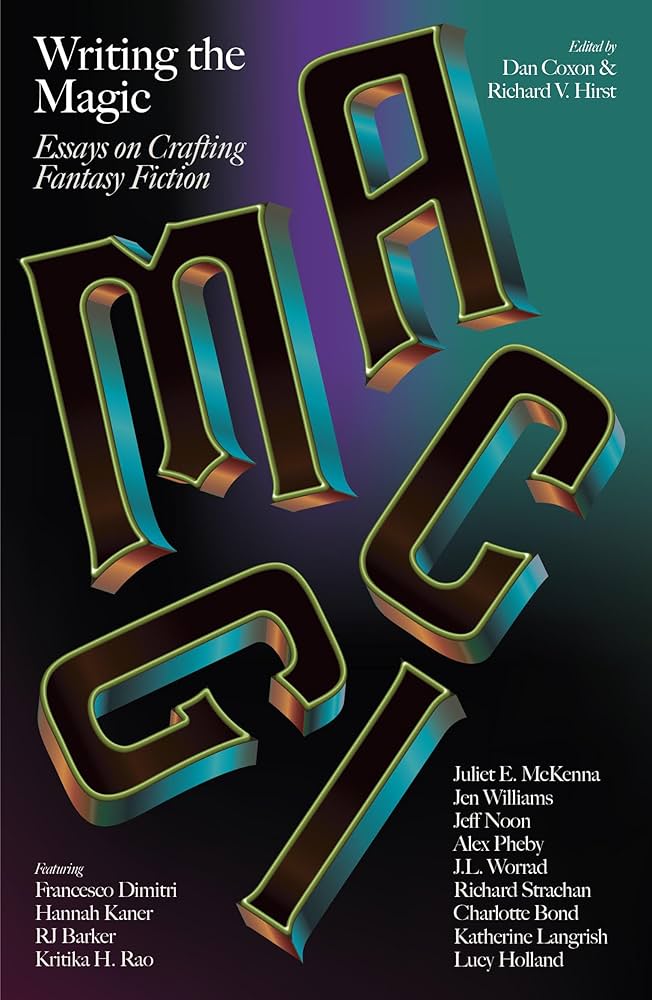
My favourite non-fiction book this year was crime-meets-architecture analysis A Burglar’s Guide to the City by Geoff Manaugh (2016). I also enjoyed The Artist’s Voice, a series of interviews with artists edited by Katharine Kuh (1962) and writing guides Steering the Craft by Ursula K. Le Guin (2015) and Writing the Magic, edited by Dan Coxon (2025).
 Tim Major
You must be logged in to post a comment.