


Of all the recently published books I read this year, Six Lives by Lavie Tidhar (2024) was the one I relished the most. Each of the six parts follows, as you’d expect, a single life (all members of a convoluted family tree), and there are pleasing links between the stories that reward attention. But it’s the style that most impresses – not only does each story move forward in time, which affects the tone, but each episode is essentially a different genre, including an Agatha Christie-style murder mystery and a Cold War espionage tale. The prolific Tidhar has form in this sort of genre-hopping novel, and I also enjoyed his 2023 novel The Circumference of the World, which concerns SF genre history and also contains a hard-SF sequence in its own right.
I was deeply impressed by Whalefall by Daniel Kraus (2023), a novel that sounds like either a Moby Dick ripoff or high-concept pulp (a man goes diving, finds himself trapped inside a whale, spends an entire novel trying to escape) but is actually thoughtful and considered, concerning the character’s troubled relationship with his father. There’s similar paternal territory covered in The Italian Teacher by Tom Rachman (2018), a wonderful novel about an artist operating in the shadow of his much more celebrated father. Far more straightforward than Six Lives and Whalefall, this is probably my most satisfying read this year in terms of recent releases.
Two structurally experimental novels I enjoyed were Cuddy by Benjamin Myers (2023), which treads a line between his raw, ugly fiction like The Gallows Pole and his gentler contemporary fiction, and Venomous Lumpsucker by Ned Beauman (2022), which is decidedly cold but thought-provoking and surprisingly entertaining in its rambling discourse on environmental issues.


My biggest belated discovery was the Patrick Melrose sequence by Edward St. Aubyn: Bad News (1992), Some Hope (1994), Mother‘s Milk (2005), Never Mind (1992) and At Last (2011), which I rationed out over several months, not wanting the series to end. The first novel almost threw me off, as I’m no fan of tales of drug binges, but by the second novel Patrick has found a more even keel and his acidity is directed outwards. Sentence by sentence, the books are a joy to read, and the series is now up there with John Updike’s Rabbit sequence in my estimation.
I rarely get into series, but I did read another this year – the first Mortal Engines sequence by Philip Reeve: Mortal Engines (2001), Predator’s Gold (2003), Infernal Devices (2005) and A Darkling Plain (2006). I’d initially begun reading them as a sort of book-club read with my eldest son, but I was soon hooked. The shifts between novels and willingness to stray away from the initial protagonist are as satisfying as in Philip Pullman’s His Dark Materials series – which I’ve also been rereading to my son this year, so I’ve absorbed a good deal of excellent YA fiction.
I finally read The Glass Cell by Patricia Highsmith (1964), which was more dour than most of her thrillers, but relentlessly compelling. Having also managed a reread of The Talented Mr Ripley before the Ripley TV series began, my opinion of Highsmith remains sky-high.
Another genre novel that surpasses its pulpy context is Magic by William Goldman (1976), recommended to me by a writer friend (I wish I could remember who). The narrative trickery is great fun, but it was the close descriptions of magic tricks and the surprisingly detailed insights into the protagonist’s thoughts and the caustic humour that most impressed me.
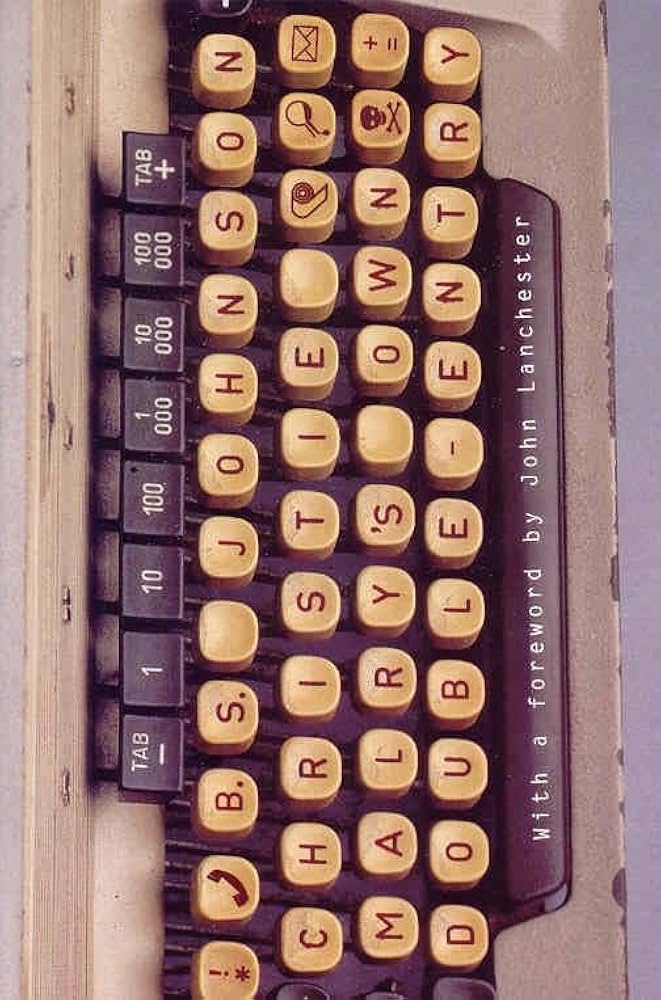
The novel I raved about most often this year, and which made me curse myself at not having read it sooner, was Christie Malry’s Own Double-Entry by B.S. Johnson (1973). It’s bleak and snide and yet incredible fun throughout, with Pythonesque humour and a disregard for the rules of novel-writing. I love experimental fiction, but I haven’t read much recently, and this playful novel is likely to shift my 2025 reading tastes in that direction.


The short-story collections I read this year were all by friends – incredibly talented friends, I should add. Treatises on Dust by Timothy J. Jarvis (2023) takes its weirdness and its place within the weird-fiction canon seriously, and the tales-within-tales become ever more labyrinthine – like Nabokov’s short fiction, these are stories that revel in being fiction, so it’s no surprise that the collection is proving so popular with fellow writers. I suspect it will become a classic in the future.
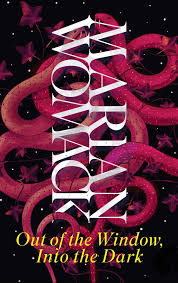
More contemporary weirdness can be found in Hunting by the River by Daniel Carpenter (2024), which gazes into the dark corners of urban spaces and finds little that’s reassuring there, Umbilical by Teika Marija Smits (2023), which twists mythology into modern contexts to examine parental concerns, and Out of the Window, Into the Dark by Marian Womack (2024), which contains stories that (as I wrote in my blurb) evoke the wild worldbuilding of Ursula Le Guin and the unsettling domesticity of Shirley Jackson, with a meticulousness that’s highlighted by a Borgesian fascination with libraries. Commercial Book by Andrew Hook (2024) contains stories each of exactly 1000 words, each paired with one of the songs on Commercial Album by The Residents. While no familiarity with the album is required – the affecting stories which are immersed in dreams and steeped in film and music certainly stand alone – listening to each song before or after reading the story reveals even greater depths.
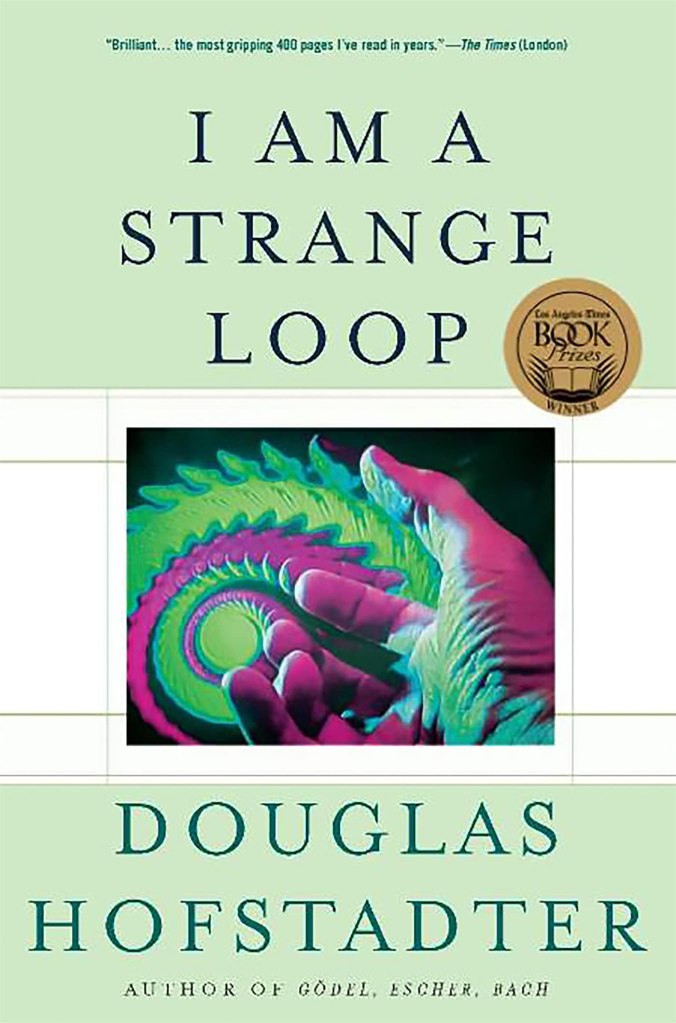


Most of the non-fiction I read in 2024 related to writing projects, but I put time aside for I Am a Strange Loop by Douglas Hofstadter (2007), a discourse on consciousness and self-reflexivity which will certainly end up inspiring more of my own stories and novels to come. I loved Ghosts of My Life: Writings on Depression, Hauntology and Lost Futures by Mark Fisher (2014), especially his analysis of albums by Burial. While I contributed an article to Writing the Murder: Essays on Crafting Crime Fiction, edited by Dan Coxon and Richard V. Hirst (2024), I thoroughly enjoyed the other contributors’ pieces, particular Tom Mead’s assessment of the locked-room genre, and Carole Johnstone’s very honest article about the pragmatism involved in selecting a writing project.
 Tim Major
You must be logged in to post a comment.