I made five other sales of short stories that will be published in 2024.
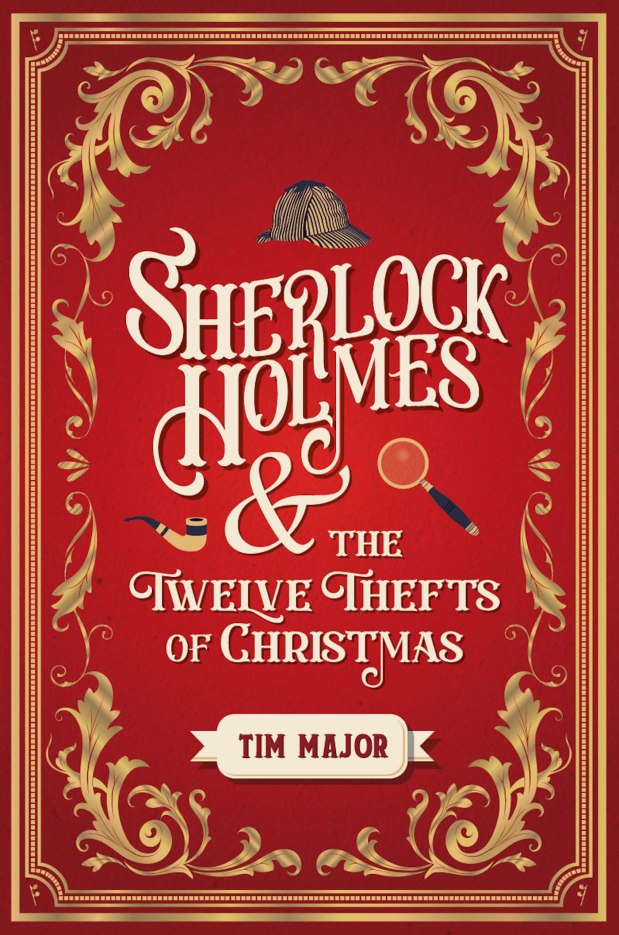
Next year I’ll be focusing on the publication of Jekyll & Hyde: Consulting Detectives in September, from Titan Books. I’m very excited about it! More details soon.
Of those published this year, the novel that perfectly matched my tastes was Biography of X by Catherine Lacey. It’s a fictitious biography of an artist skilled in creating diverse stage (and off-stage) personas, and as it’s written by her wife it’s a conceit that allows for insights into both characters whilst struggling to remain objective. Beyond that, it mixes Pale Fire-esque metafiction and alternate history politics reminiscent of The Handmaid’s Tale.
Two other recent novels covered similar metafictional territory, but with very different results. Conquest by Nina Allan (2023) is another sort-of fictional biography and sort-of private investigation, and incorporates non-fiction articles and SF short stories to great effect. I love Nina Allan’s short fiction, and this fragmented novel harnesses her skills wonderfully.
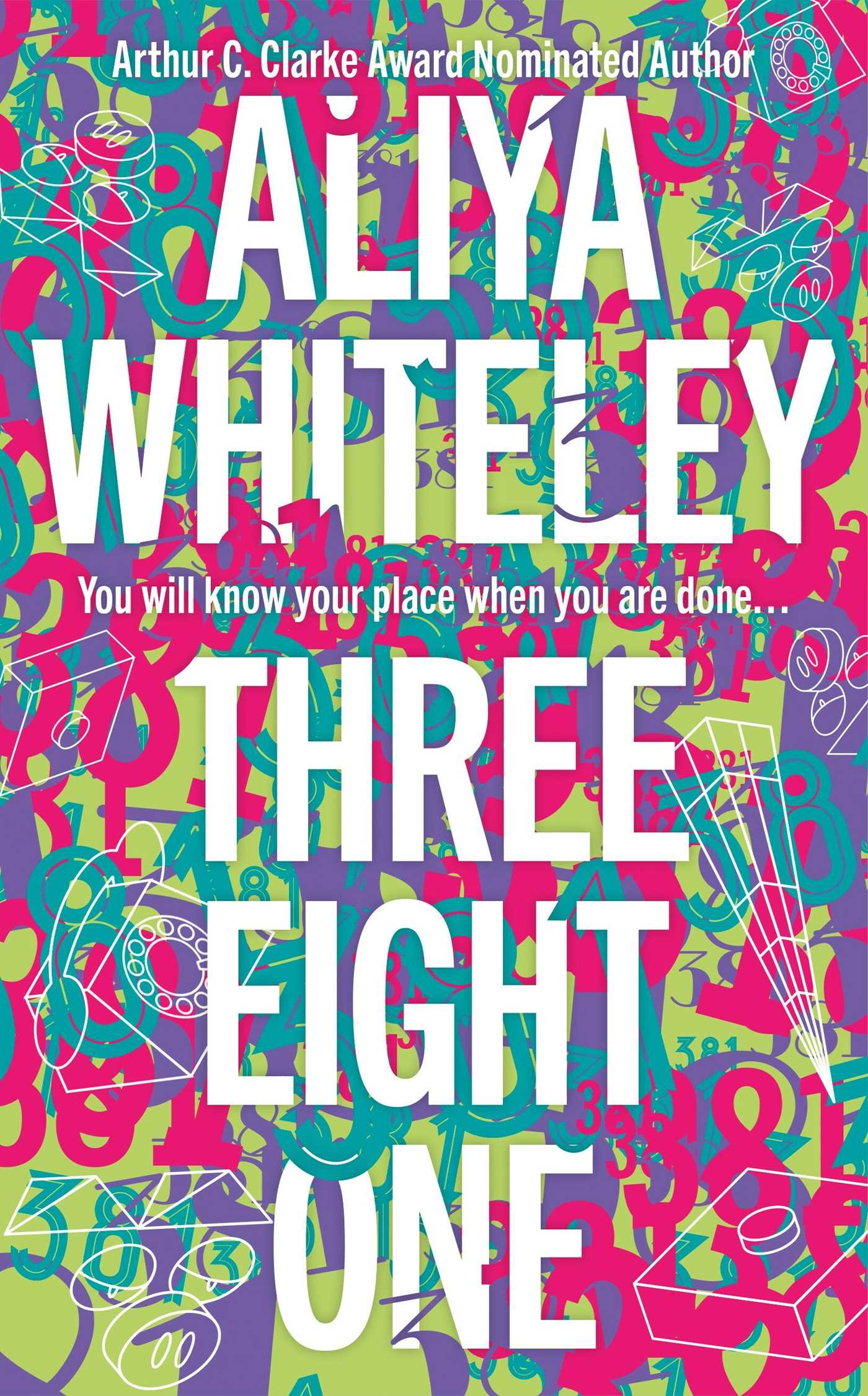
Three Eight One by Aliya Whiteley will be published in January 2024, but I was lucky enough to read an pre-publication ARC. Though it’s a fantasy quest narrative, it remains resolutely down to earth even in its wildest moments, and it features footnotes written by a scholar many decades later, which comment and interrupt the primary action, undermining and enhancing in equal measure. I think the novel works equally as well as epic fantasy as it does as a pure allegory about maturation, and when it made me cry, it was partly because I didn’t want it to end.
Speaking of which, the only other novel that reduced me to tears was Tomorrow, and Tomorrow, and Tomorrow by Gabrielle Zevin (2022). The framing of the real world as operating according to the mechanics of videogames is its most arresting aspect, but the cast of characters all trying to muddle through life, and the lack of antagonists, is perhaps what makes the novel so very life-affirming.
Ten Planets by Yuri Herrara (translated by Lisa Dillman, published by And Other Stories, 2023) was a great discovery. It’s not only one of the most enjoyable short story collections I can remember, it’s also one of the most inspiring books I’ve read in years, and it’s affected the style of my own short fiction. Though they’re nominally SF stories, these are truncated, magical tales more in line with works by Jorge Luis Borges or Italo Calvino.
Death and the Conjuror by Tom Mead (2023) is a note-perfect Golden Age locked-room mystery featuring stage-magician-turned-detective Joseph Spector, who reappears in the excellent sequel, The Murder Wheel, and with more mysteries to come.
In Lamb (2023), Matt Hill allows the weirdness that’s inflected his recent novels to come to the fore. Like Aliya Whiteley’s Three Eight One, it comes across almost as a parable, and its tortured characters and murky setpieces will linger with me for a long time.
The Shane Meadows TV adaptation led to me to read The Gallows Pole by Benjamin Myers (2017) finally this year, and I cursed myself for not doing so sooner. It’s a vicious book, less because of any actual violence but more due to its violent prose. It’s the most viscerally affecting book I’ve read this year. In contrast, Myers’ The Perfect Golden Circle (2022) is a warm hug, strongly reminiscent of Mackenzie Crook’s TV show The Detectorists in the pairing of its central characters.
Similarly calm and unassuming is Brian by Jeremy Cooper (2023). Upon his retirement from his council job Brian settles on the British Film Institute on London’s South Bank as his new haunt, where he encounters like minds and an entire world via screenings of classic films. Like Rónán Hession’s Leonard and Hungry Paul, usual expectations about plot or character development don’t apply here, and the pleasures of this novel relate to witnessing an awkward personality finding peace in unlikely ways. Brian’s responses to the films he watches are a lovely insight into the effect that fiction can have on impressionable minds.
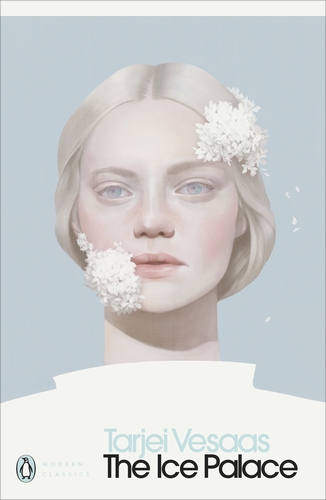
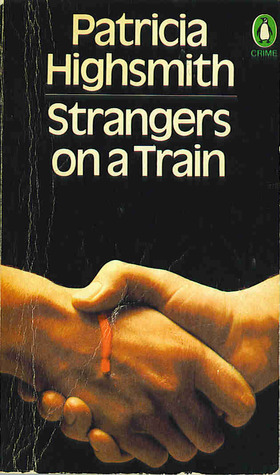
Moving away from recently-published books, the novels that had the biggest impression on me were The Ice Palace by Tarjei Vesaas (1963), a Norwegian coming-of-age tale that reminded me of a snowy Picnic at Hanging Rock, and Strangers on a Train by Patricia Highsmith (1950), which of course is nothing like the Hitchcock adaptation, and being Highsmith it’s murkier and more compelling than other thrillers of its, or perhaps any, era.
Now for some other books I particularly enjoyed, which were published fairly recently. Black Lake Manor by Guy Morpuss (2022) is just my sort of high-concept mystery, deploying time travel most effectively. Frankissstein by Jeanette Winterson (2019) had been waiting patiently on my shelf for years, and didn’t deserve to be ignored – it’s a fresh, strange and brilliant representation of Shelley’s classic. Boy Parts by Eliza Clark (2020) is second only to The Gallows Pole in terms of startling directness and, often, glorious ugliness. The Hood by Lavie Tidhar (2021) continues Tidhar’s Anti-Matter of Britain Quartet begun in By Force Alone, this novel dealing with the legend of Robin Hood and weirding its familiar subject satisfyingly.
Many of the older books I loved this year were mysteries, and many were books I’d anticipated as known quantities but which surprised me. Though I knew the ‘trick’ of The Murder of Roger Ackroyd by Agatha Christie (1926), I found it enormously effective – it was probably the book I read fastest this year. I also finally got around to reading the Lord Peter Wimsey series by Dorothy L. Sayers, beginningwith Strong Poison (1930) and Whose Body? (1923) andwas taken as much by her Wodehousian wit as her character and mysteries. Another mystery novel I loved was A Helping Hand by Celia Dale (1966), recently reprinted by Daunt Books and a far nastier tale than I’d anticipated.
I did read books without mystery plots, too! The ones I most enjoyed were the post-apocalyptic literary fantasy The Road to Corlay by Richard Cowper (1978), and The Princess Bride by William Goldman (1973) – another metafictional novel, so something of a theme this year! – and a wonderful fix-up novel concerning art and authenticity, Pictures of Fidelman by Bernard Malamud (1969).
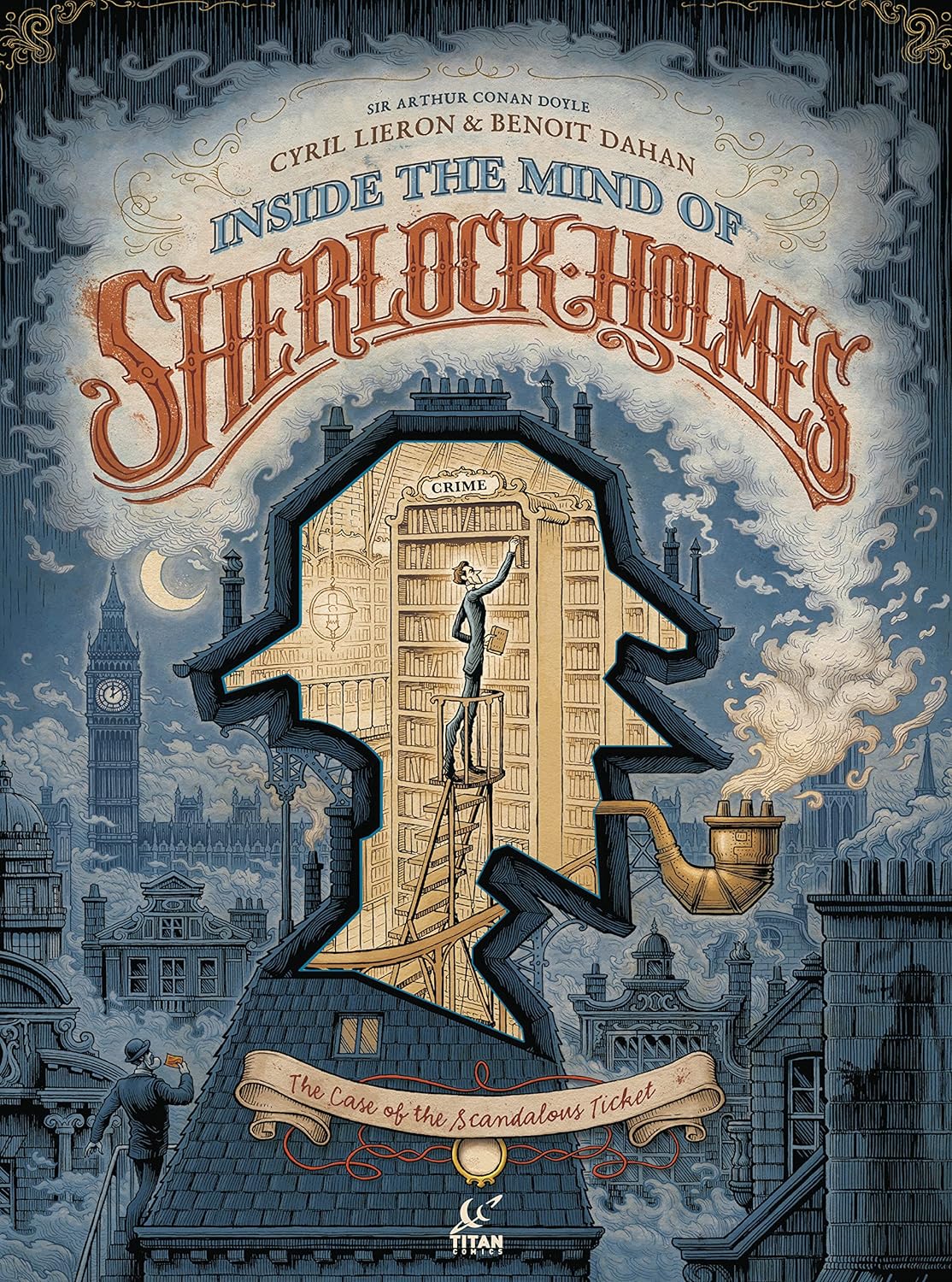
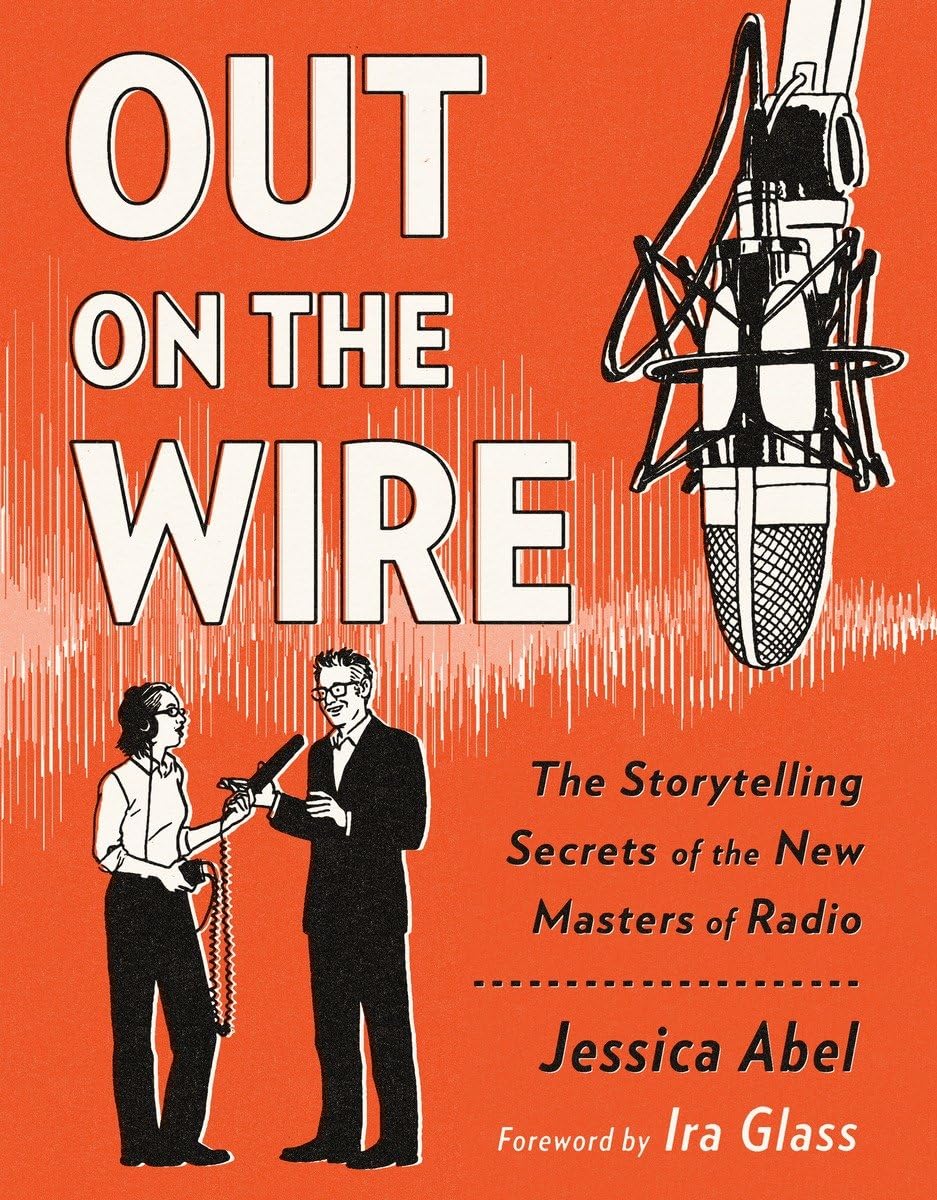
I read only two graphic novels this year, but both were excellent. Inside the Mind of Sherlock Holmes, written by Benoit Dahan and illustrated by Cyril Lieron (2023), is a pleasingly faithful rendering of Holmes and Watson that focuses on Holmes’s ‘mind attic’ and his processing of clues and which asks readers to fold pages or hold them up to the light in order to reveal hidden connections. Out on the Wire by Jessica Abel (2015) is a terrific account of the boom of American non-fiction podcasts such as This American Life and Radiolab, with plenty of insights into the craft.
Most of the non-fiction I read this year related to novel research. The best non-fiction book I read purely for pleasure was Writing the Future, edited by Dan Coxon & Richard V. Hirst (2023), continuing the terrific series from Dead Ink Books. It contains essays about SF by Aliya Whiteley, Adam Roberts, Nina Allan, Una McCormack and more, many of which are wonderful, perhaps even essential, and which, I think, will inform many SF novels yet to come.
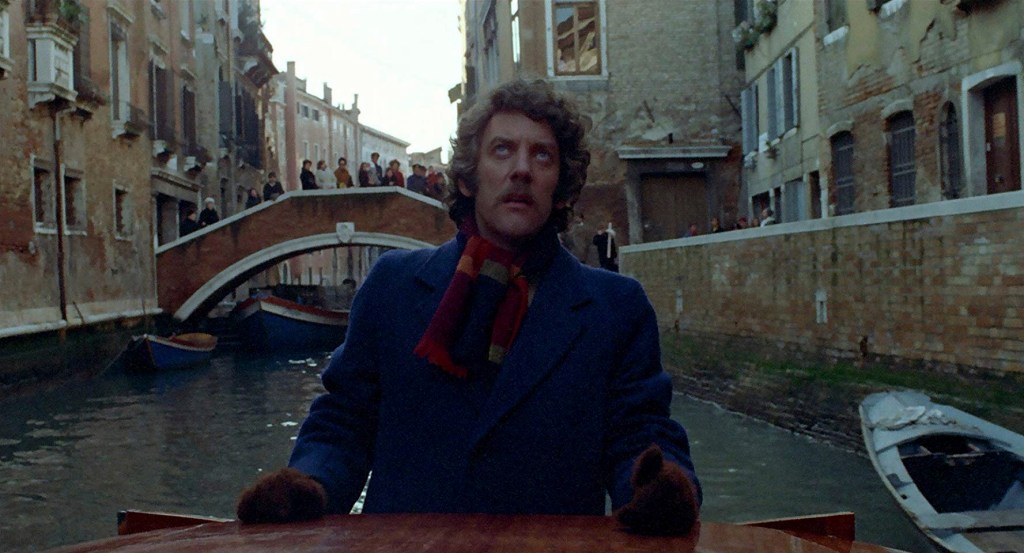
Other than family films, I saw only two films in the cinema this year, and one of them was a fifty-year-old classic. But all the same, my film of the year is the rereleased Don’t Look Now (Nicholas Roeg, 1973). For superstitious reasons I’d avoided watching it until now since becoming a parent, but in my current phase of life and on the big screen it had an even greater impact on me than ever before.
My favourite film released recently was Aftersun (Charlotte Wells, 2022), which I found devastating, partly due to its quietness and obliqueness.
My biggest discovery is also a shameful admission – despite loving several David Lynch films and Twin Peaks, I’d never seen Eraserhead (1977). Now I have, and I found it nothing at all like I’d expected, being both funnier and more directly about something than I’d imagined.
Other films from 2022-23 that I loved included Iranian family road-trip drama Hit the Road (Panah Panahi, 2022), the overblown yet darkly funny Triangle of Sadness (Ruben Östlund, 2022), downbeat folk-horror Enys Men (Mark Jenkin, 2022), patiently building body horror Hatching (Hanna Bergholm, 2022), the surprisingly witty and auteurish, Benedict Cumberbatch-starring The Electrical Life of Louis Wain (Will Sharpe, 2022), and the equally surprising Roald Dahl adaptation The Rat Catcher (Wes Anderson, 2023).
And some more older films I watched for the first time this year and thoroughly enjoyed: tender documentary The Gleaners and I (Agnès Varda, 2000), complex family epic Yi Yi (Edward Yang, 2000), scuzzy realistic drama Moonlighting (Jerzy Skolimowski, 1982) and an excellent documentary about early electronic music, Sisters With Transistors (Lisa Rovner, 2020).
TV
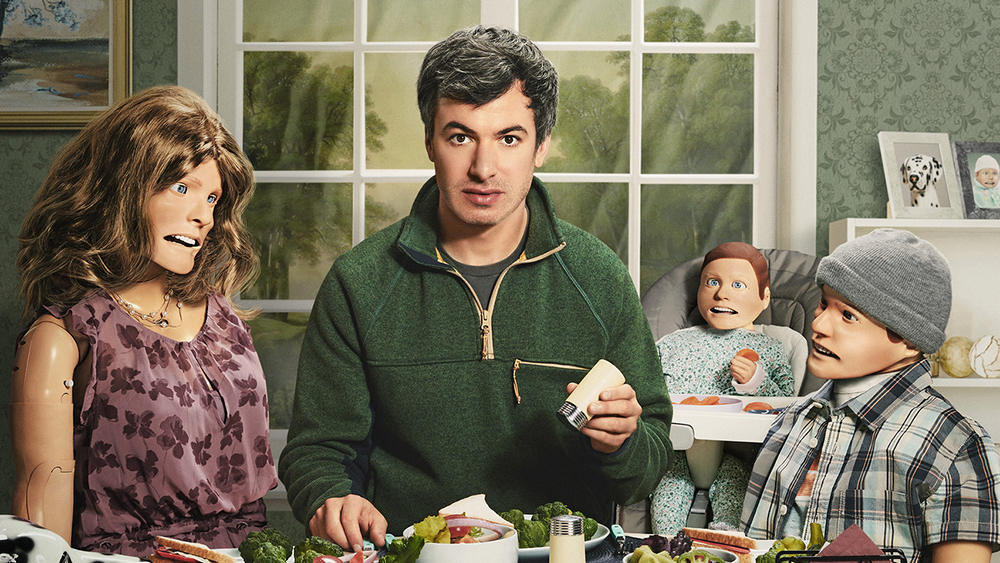
For me, there were three TV shows that stood above all the others this year. The first series of pro-kitchen-drama The Bear was a revelation in terms of confounding expectations scene by scene, and while the scale ramps up in the second series and characters’ obstacles became less unsurmountable, the beating heart and sometimes unbearable tension remains intact. Shane Meadows’ The Gallows Pole is a startling adaptation of Ben Myers’ terrific historical novel, its anachronistic music and rambling improvised dialogue adding to rather than diminishing its impact. The Rehearsal is the show I think about the most, due to its bleeding of reality-TV conventions and the increasing suspicion that it can’t be real. The fact that the narrative gradually becomes as absurd as it does without abandoning its conceit of being 100% real is frankly incredible.
Similarly woozy is comedy special A Whole Lifetime with Jamie Demetriou, a Lynchian approach to sketch comedy that I must rewatch soon. Succession ended well, and at the right time. Colin from Accounts was the warmest comedy I saw this year. And the TV offshoot from the excellent film also titled Boiling Point brings us all the way back to intense kitchen action.
Videogames
I bought a PS5 this year, having missed out on the previous generation, but the games I’ve enjoyed on it weren’t the AAA adventures or indie gems that I expected. The game that most impressed me is Returnal (Housemarque, 2021), a 3D action roguelike on a cosmic scale. Not only is its gameplay loop reminiscent of earlier Housemarque arcade classic Super Stardust HD, one aspect I particularly enjoyed was the conveying of story through incidental worldbuilding details, with barely any of the cutscenes that have made AAA franchises (e.g. God of War, Uncharted, Horizon) close to unbearable.
Another big surprise was revisiting the 2020 remake of Demon’s Souls (FromSoftware, 2009), a game I played just before abandoning gaming for a long while. Whereas I hit the wall hard in 2009, this time I persevered with a Royalty build, improved steadily, and to my astonishment beat the game. I followed this up with Elden Ring (FromSoftware, 2022), a bigger and far more beautiful game – and dedicated myself to it to finally beat it too, after 90 hours. Like Returnal, I appreciated its complex lore being conveyed through observation and very limited conversation rather than cutscenes.
The other games I loved were Dysmantle (10tons, 2020), a top-down post-apocalyptic scavenging game with a relatively calm gameplay loop, and Metroid Prime: Remastered (Retro Studios, 2023), still one of my all-time favourite games, and now looking and playing like I remember it looking and playing in 2002.
I already posted my favourite albums that I heard in the first and second quarters of 2023, which makes for a pretty long list in itself. So instead of going bigger, I’ve tried to refine my list to my absolute favourite albums of the year.
Actual songs
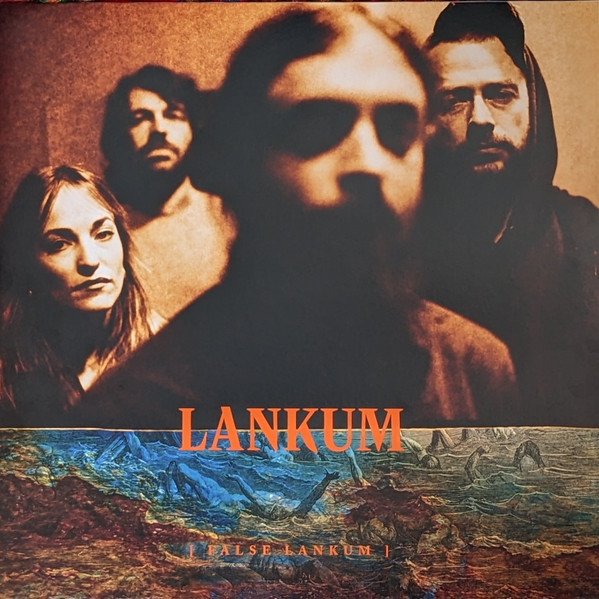
False Lankum by Lankum is an incredible folk album immersed in tradition, yet somehow it seems more progressive and strange than almost anything else released this year. The folk horror vibes are strong throughout and the drones are intense, and aural surprises undercut almost all of the arrangements. Furling by Meg Baird is altogether calmer, and ‘Unnamed Drives’ is one of the loveliest songs I’ve heard this year. I Thought I Was Better Than You is as witty throughout as we’ve come to expect from Baxter Dury, and perhaps more introspective and personal than ever. Angelbread is fun in a different way, securing Ergo Phizmiz as a spiritual descendent of the Bonzo Dog Doo-Dah Band. Keeping Secrets Will Destroy You features Bonnie Prince Billy on fine form, particularly the glorious first three tracks. I Inside the Old Year Dying by PJ Harvey continues her recent run of form, with added scuzziness to the instrumentation. My Back Was A Bridge For You To Cross by ANOHNI and The Johnsons is mature and sumptuous and seems to arrive from another era, sounding like Nina Simone backed by Lambchop.
Weird
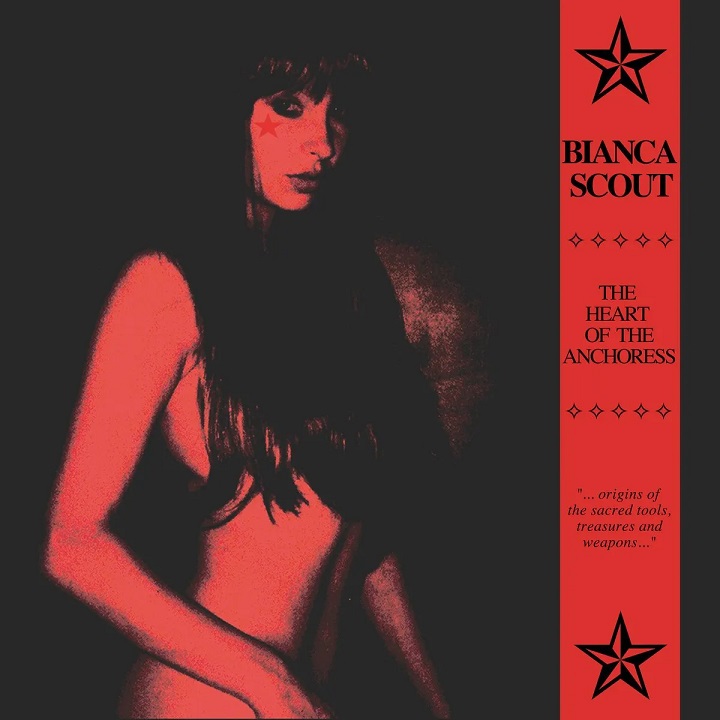
Yön Mustia Kukkia by Paavoharju is a bizarre experience, as it seems to change entirely each time I hear it – though each time it’s reliably weird and mired in aural scuffs that make it pleasingly otherworldly. Similarly bent out of shape is River of Dreams by Romance & Dean Hurley, a soundtrack to a dream hovering on the cusp of nightmarish. There are rock-solid songs hidden beneath the groaning surface of The Heart of the Anchoress by Bianca Scout, but the whispering weirdness is what makes it so compelling. Innemuseum by Cisser Mæhl is more forgiving, though its gentleness is somehow alarming, like drifting off to sleep at the wheel.
Drone
Bones For Time by Tongue Depressor features the most gargantuan drones I’ve enjoyed this year, like the sighing of a blue whale. Giving it a run for its money is The Pels Organ and Hemony Carillon by Miaux & Lieven Martens, a recording of an incredible live performance on pipe organ that sounds like a spiritual Angelo Badalamenti. Equally impressive is the three-hour Does Spring Hide Its Joy by Kali Malone, featuring Lucy Railton on cello and Stephen O’Malley on electric guitar.
Instrumental virtuosity
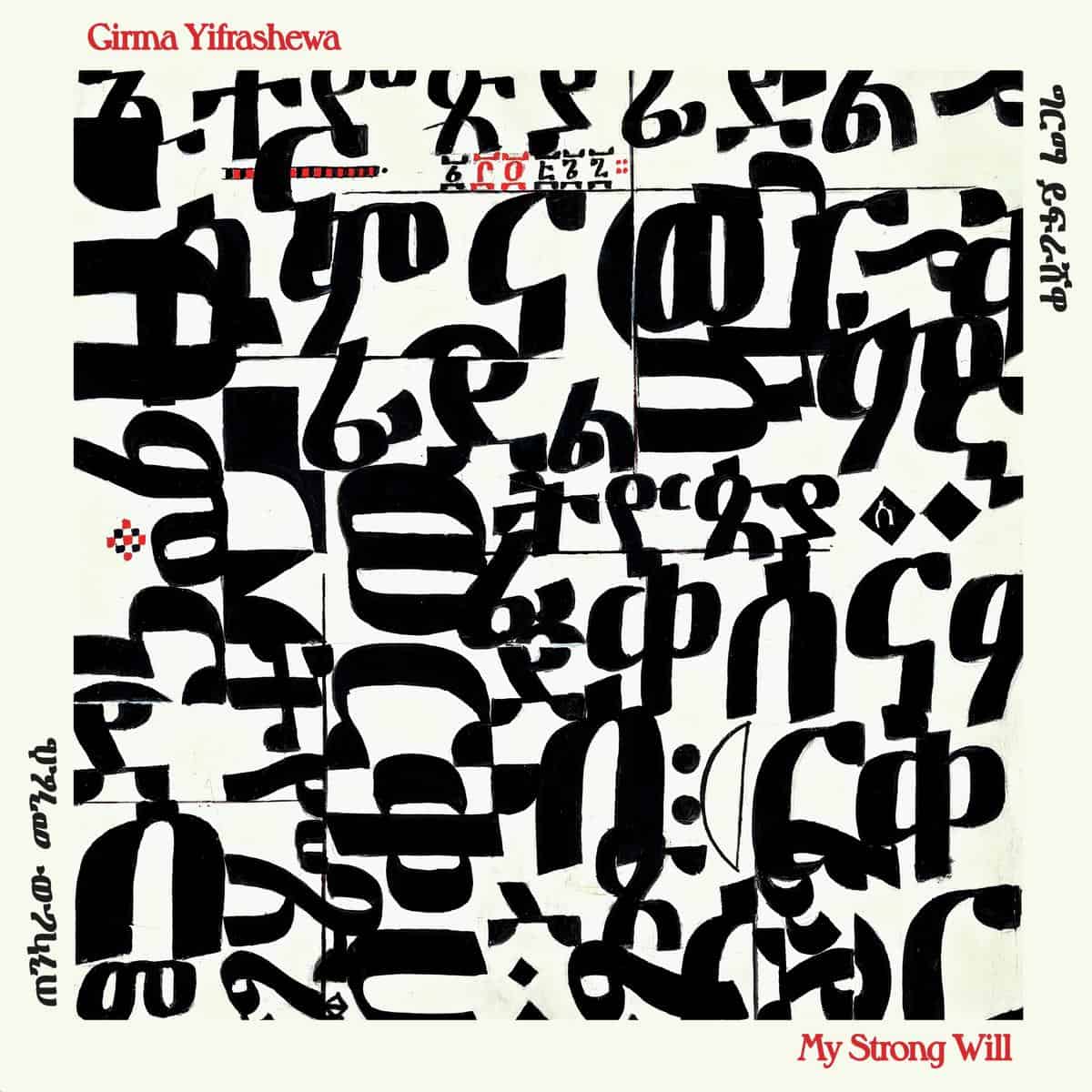
The mixture of Ethiopian heritage and the influence of its Bulgarian performers is evident in the outstanding My Strong Will by Girma Yifrashewa. Congo Guitar by Vumbi Dekul is infectious and full of life, created in two days and backed with only a cheap drum machine.
Noise / Rock
It’s difficult to accept that spresso by Alpha Maid & Mica Levi is only 7 minutes long! It’s one of the most intense listening experiences I’ve had this year, and it’s particularly overwhelming played loud in the car. In contrast, Live in Leipzig by Horse Lords is considered and meticulous, but behind its calculated rhythms is a similar tendency towards mania. Nails by Benefits is the most gloriously angry album I’ve heard this year, and rightfully so.
Techno
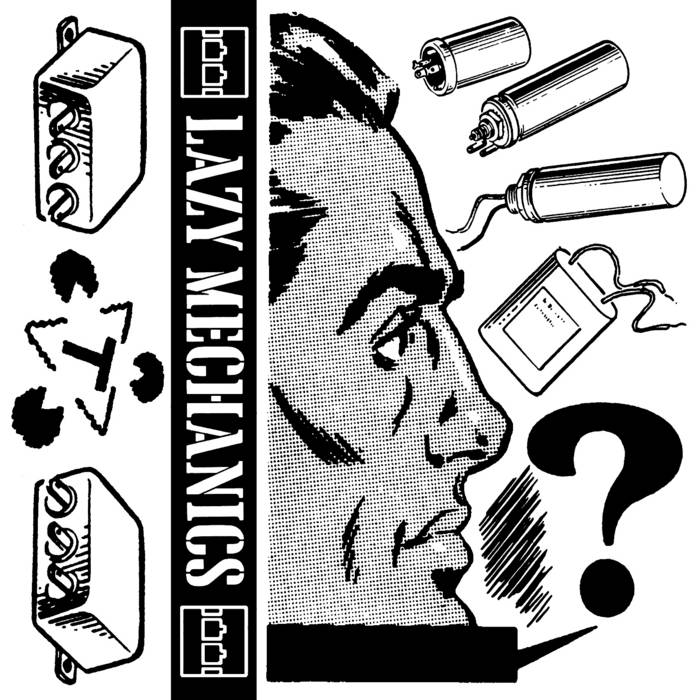
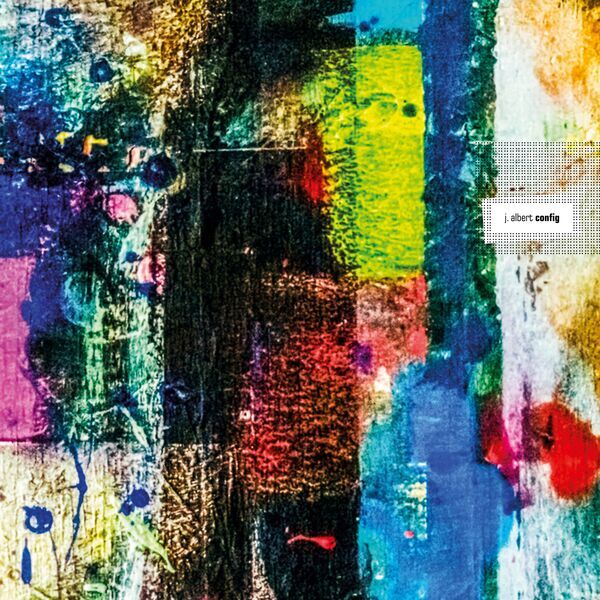
Lazy Mechanics and EP FATHOM by Carrier are precisely my sort of techno – at times barely there, at times punishingly intense. The same goes for the more driven and peculiar Skynned by теплота. config by J. Albert veers closer to house or rave, and presses you back into your seat.
Reissues
Don’t Eat Food! by INU is my greatest discovery this year – it’s a simply incredible Japanese punk album reminiscent of Buzzcocks at their absolute best, and though I understand not a word of it, it’s incredibly catchy too. Not So Deep As A Well by Myriam Gendron is a wonderful folk rerelease from 2014, but sounds like it was recorded in the late 60s. Picture of Bunny Rabbit by Arthur Russell is worth it for the swirlingly strange title track alone. شمس دين by Shams Dinn borders on hauntology, sounding like every funky hit featured in 1980s thrillers, despite being from Paris and rapped in Arabic. Ettab by Saudi singer Ettab is also Arabic, pop-infused but drawing on Eastern classical influences and featuring a towering vocal performance.
Compilations
Adrian Sherwood Presents: Dub No Frontiers features female reggae tracks in Hindi, Romani, Arabic, and it’s my most-played compilation this year. Fabric presents Helena Hauff is rammed with propulsive techno, and I imagine would be incredible as a background for nighttime driving. I’m still undecided about some of the mix treatments on The Beatles 1967–1970 (2023 edition), but its release has been a great excuse to relisten to my first ever favourite album, a lot.













 Tim Major
You must be logged in to post a comment.